Multi-Engine Time Building Cost in 2026: What Block Hours Cost

Published by:
Amber P.
Published on:
Updated on:
Read time:
8 min read
You have a number in your head for your 1,500-hour goal, and you have probably found one hourly twin rate that looks manageable. Then you multiply, and the answer feels too clean. Real multi engine time building cost is never one number, and the pilots who budget well are the ones who know every line that sits behind the hourly rate.
Here is how it breaks down. Your total depends on the aircraft rate, whether an instructor flies with you, fuel, insurance, and how steadily you fly. A block of hours at Sun City Aviation Academy pulls those pieces into one plan. Hourly twin rates change, so contact us for current block rates and we will walk you through them.
Where the Money Goes Before You Leave the Ground
Every hour you log in a twin is the sum of several charges. Some are on the quote. Some appear later if nobody mentions them.
| Cost driver | What moves it | What this helps you plan |
|---|---|---|
| Aircraft rental rate | The aircraft, its equipment, and whether you book by the hour or in a block | Your largest line, and the one a block is built to lower |
| Instructor time | Whether an instructor is in the airplane for the flight | A second hourly charge on dual flights, none on flights without one |
| Fuel | Two engines, flight length, and whether fuel is inside the quoted rate | The line most often missing from a quick comparison |
| Insurance | Renter coverage and the requirements attached to a twin | A cost that can sit outside the hourly rate |
| Schedule consistency | Weather, aircraft availability, your own calendar | Gaps between flights add review time and cost |
The first line is the one most quotes show. When you compare programs, put the same five lines side by side. You can see the full program on our multi-engine rating page, and our flight training pilot programs show where it sits in the full path.
Why a Twin Costs More Than the Single You Learned In
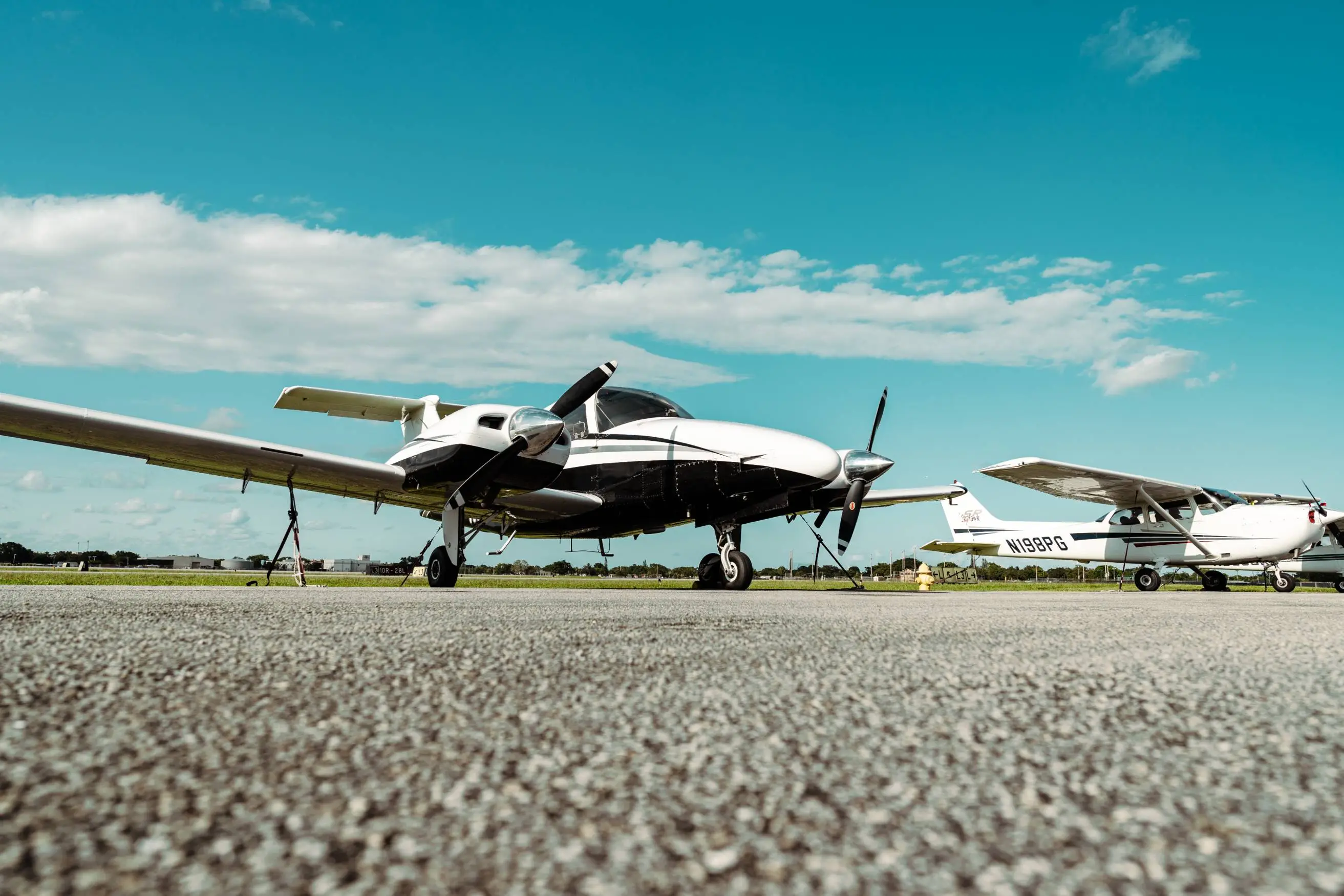
Two engines burn more fuel than one, and every extra engine adds systems to run and maintain. That shows up in your costs. It also explains the value: adding a multi-engine rating and building 25 to 50 multi-engine hours is often a prerequisite for professional pilot jobs.
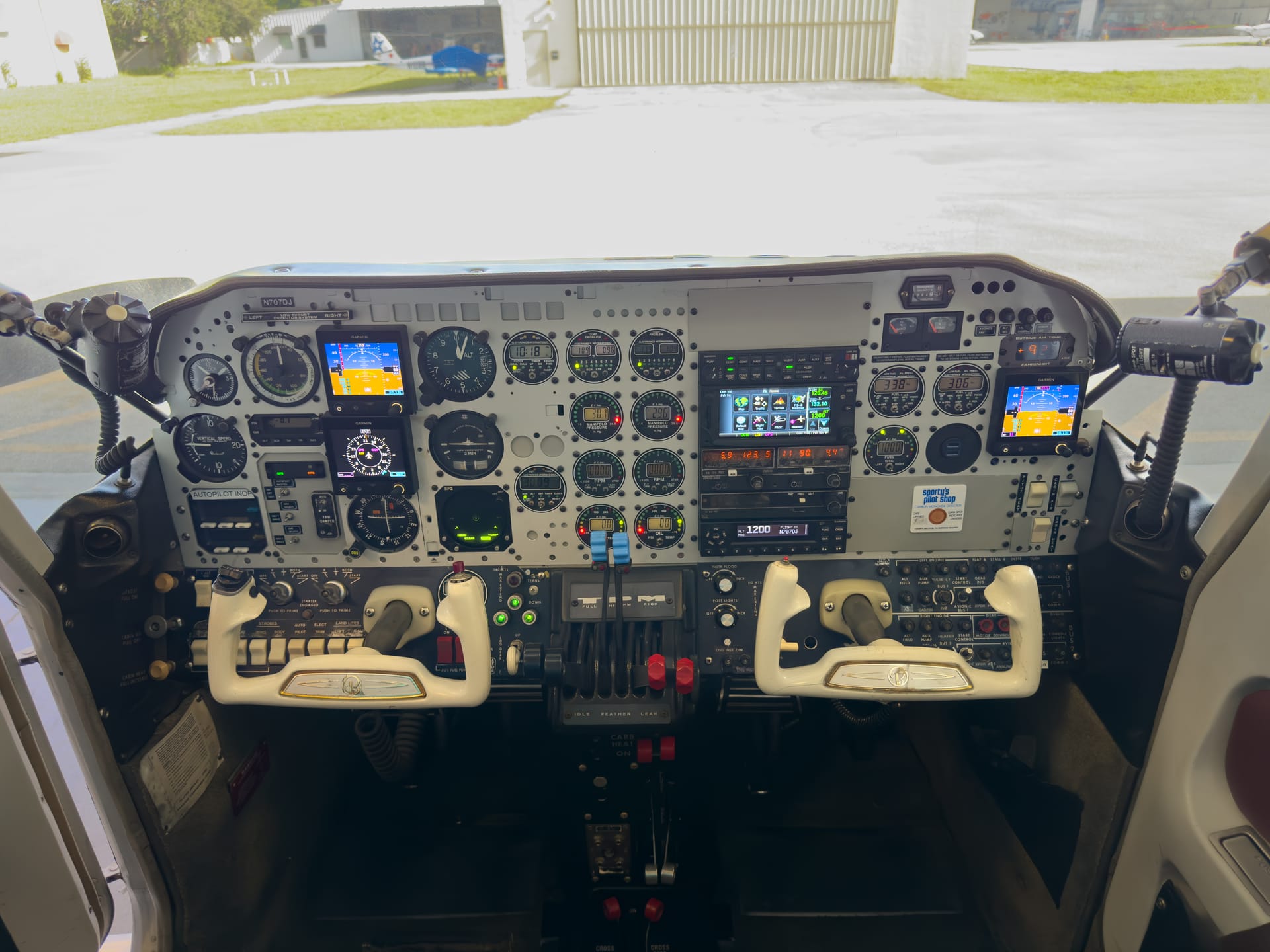
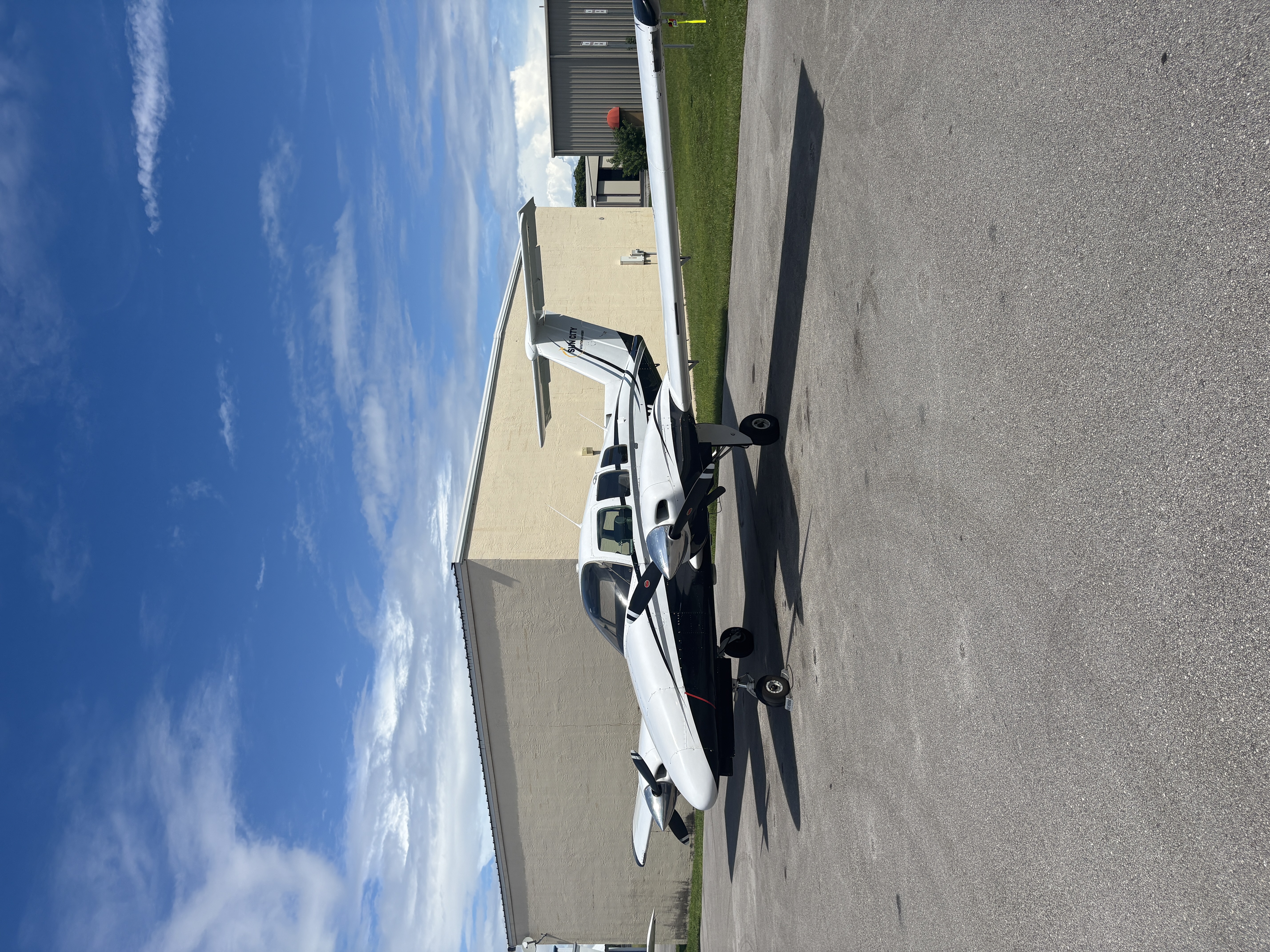
Our twin is the Beechcraft Duchess. It has counter-rotating engines, dual Garmin G5 electronic flight displays, and a touch-screen Garmin GTN 750xi, the kind of modern cockpit you will see again in professional flying. You can look it over on the Beechcraft Duchess page.
Insurance deserves its own thought. Renter insurance and the requirements around it vary by policy and by pilot, so they belong in your budget conversation from the start.
Instructor Hours and Safety Pilot Hours Are Priced Differently
Time building usually mixes two kinds of flights. You will fly some hours with an instructor and some without, and each type is billed differently.
On a dual flight, you pay for the airplane and for the instructor’s time. Dual flights make sense while you are still learning the aircraft. On a flight with a safety pilot, a second rated pilot sits in the right seat while you fly, and you can share rental costs under the FAA’s cost-sharing rule, which we cover below.
Flying with a safety pilot only works when someone with the right ratings is available at the same time you are. That scheduling piece is real, so plan for it. Our multi-engine time building roadmap shows how pilots structure those hours.

How Block Hours Change the Math
A block is a prepaid package of aircraft hours. Our block packages come in 25, 50, and 100 hours, and they carry discounted rates compared with booking hour by hour. The size you choose should match the number of multi-engine hours you actually need next.
Here is the logic, without any dollar figures. Your cost for a stretch of time building is roughly your hours multiplied by your hourly rate, plus fuel if it sits outside the rate, plus instructor time on dual flights, plus insurance. A block lowers the first part. Everything else stays on your list.
Three things make a block work in your favor:
- A target. If you need 50 multi-engine hours, a 50-hour block fits. A 100-hour block makes sense when your plan runs well past the first milestone.
- A schedule. A block works best when you fly it steadily. Long gaps between flights mean more review time before you get back to building hours.
- A reliable aircraft. A discounted hour you cannot book is not a saving. Contact us to confirm current schedule availability when you pick a size.
Your options might look like this when you start planning:
| Package | Best fit | Where it helps |
|---|---|---|
| 25-hour block | Pilots who need a first chunk of multi-engine time | A lower starting commitment while you test your schedule |
| 50-hour block | Pilots working toward a defined multi-engine milestone | A fit for the 25 to 50 hour range that is often a prerequisite for professional pilot jobs |
| 100-hour block | Pilots building steadily toward the airline threshold | The largest block for the longest plan |
The right size depends on your logbook, so contact us and we will help you pick one.
The Rating Is Its Own Line Item
If you do not hold a multi-engine rating yet, the add-on comes first, and it is priced separately from time building. Our multi-engine add-on runs $4,100 to $6,100, and FAA fees vary and additional training may be required. Most pilots complete the add-on in 10 to 15 flight hours, starting in a Redbird simulator to learn multi-engine procedures before moving into the Duchess.
Many pilots earn the commercial single-engine certificate first and then add the multi-engine rating. Our post on commercial single-engine versus multi-engine initial explains why that route appeals to them. If you are still building toward commercial, our commercial pilot training page shows the full sequence.
Paying for the Plan
Block hours are a big purchase, and a plan is easier to follow when payment is settled before you start flying. Financing options through Stratus Financial may be available to qualified applicants, and they can help you spread the cost. You can see how it works on our Stratus Financial page and apply there when you are ready.
Multi-Engine Time Building Cost Questions Pilots Ask
How much does multi-engine time building cost per hour?
The hourly rate depends on the aircraft, how you book, and whether you fly in a block, and it changes over time. Contact us for the current Duchess rate and block rates.
Is a block cheaper than paying hour by hour?
Our block packages of 25, 50, and 100 hours are discounted compared with booking hour by hour. The saving only holds when you fly the block steadily, so pick the size that matches your plan.
Does fuel count in the rate?
It can sit inside the quoted rate or outside it, so confirm which when you compare any program. With a twin, the difference matters because two engines burn more fuel than one.
Do I need an instructor for every flight?
No. You fly some hours with an instructor and others without. Dual flights add the instructor’s hourly charge, and flights without one do not. Your instructor can tell you which flights fit which plan.
How many multi-engine hours do I need?
Adding a rating and building 25 to 50 multi-engine hours is often a prerequisite for professional pilot jobs, and the standard airline transport pilot certificate asks for 1,500 hours of total time, with restricted-privilege pathways for some graduates and military pilots. Eligibility is a milestone, and hiring is a separate step.
Can I build multi-engine time in Florida year-round?
Our home base at North Perry Airport (KHWO) in Pembroke Pines has year-round flying weather, and that helps a block move steadily. See our Pembroke Pines location for details.
Get Your Current Block Rates
The best budget for multi-engine time building starts with real numbers for your plan. Tell us how many multi-engine hours you need, how often you can fly, and whether you hold the rating, and we will help you choose a block that fits. Contact us for current block rates and schedule availability.




 More Right Rudder