Multi-Engine vs Single-Engine Time Building in 2026: Duchess vs Cessna 172

Published by:
Amber P.
Published on:
Updated on:
Read time:
8 min read
You have a goal in the logbook and a budget in your head, and the next hundred hours have to go somewhere. A Beechcraft Duchess and a Cessna 172 will both add flight time, but they fill different lines of your logbook. Picking the wrong one means paying twin rates for hours a trainer could have built, or logging months of single-engine time and finding the multi-engine line still empty.
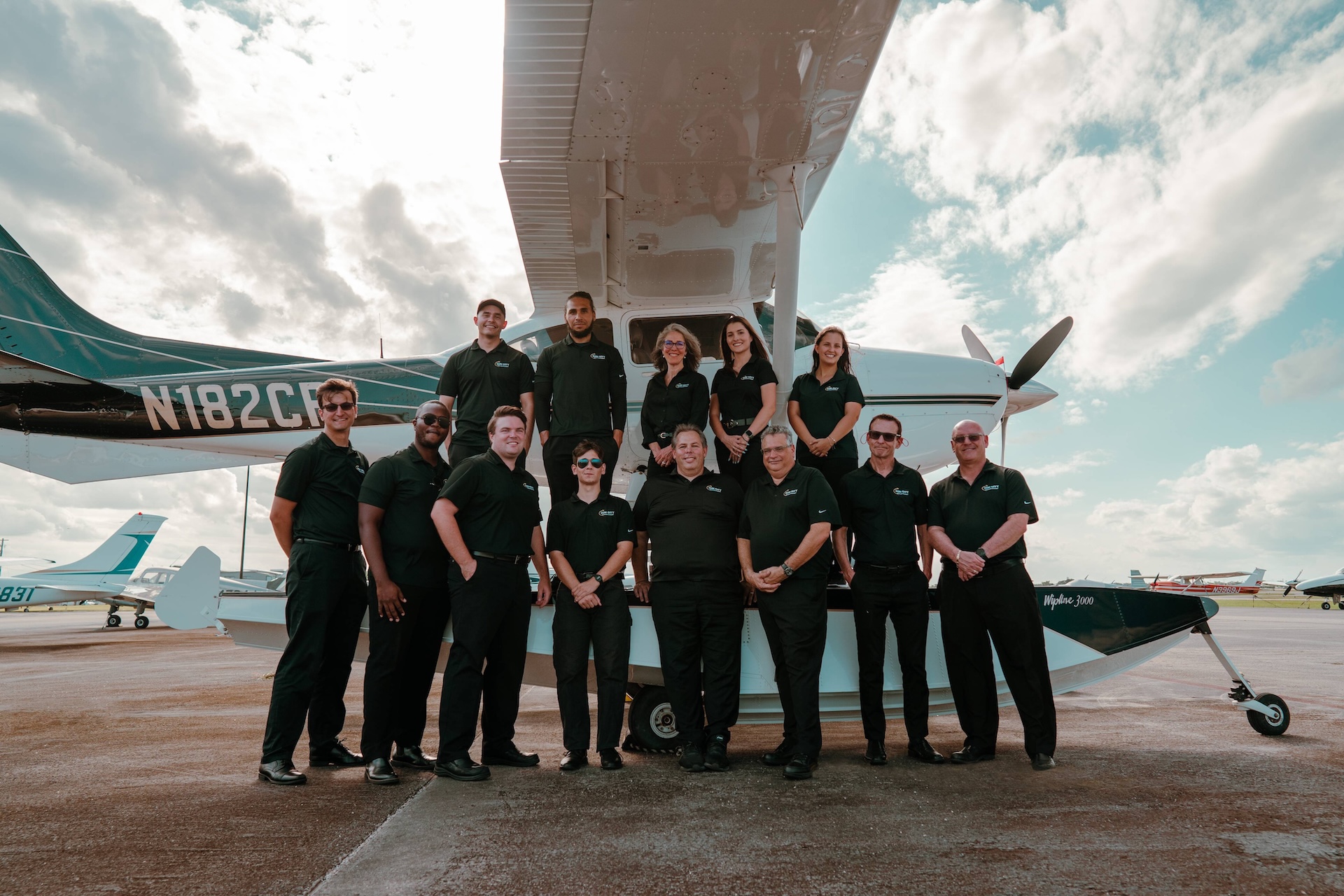
This guide sets multi engine vs single engine time building side by side so you can match the airplane to the goal. At Sun City Aviation Academy, our fleet includes Cessna 172s and a Beechcraft Duchess, so we can talk about both without selling you the one that happens to be on the ramp.
What Each Airplane Puts in Your Logbook
Every hour you log counts toward your total time, whether it comes from the twin or the single. That is the number behind the standard airline transport pilot certificate, which asks for 1,500 hours of total time, with restricted-privilege pathways for some graduates and military pilots. The ATP also asks for cross-country, night, and instrument experience, and you can log those in either airplane when the flight qualifies.
The difference is the second line. Only time in a multi-engine airplane builds multi-engine time. A year of 172 flying leaves that column at zero, while the same hours in a Duchess grow both lines at once. Adding a multi-engine rating and 25 to 50 multi-engine hours is often a prerequisite for professional pilot jobs, so the twin hours matter more the closer you get to an application.
If you hold a commercial pilot certificate and plan to apply for professional pilot jobs, you are weighing total time against multi-engine time. If you are still working toward the certificate, the decision is simpler, because the 172 is where that training happens. Our multi-engine time building roadmap shows how the two lines add up across a full path to 1,500 hours.
When the Duchess Is the Right Hours Builder
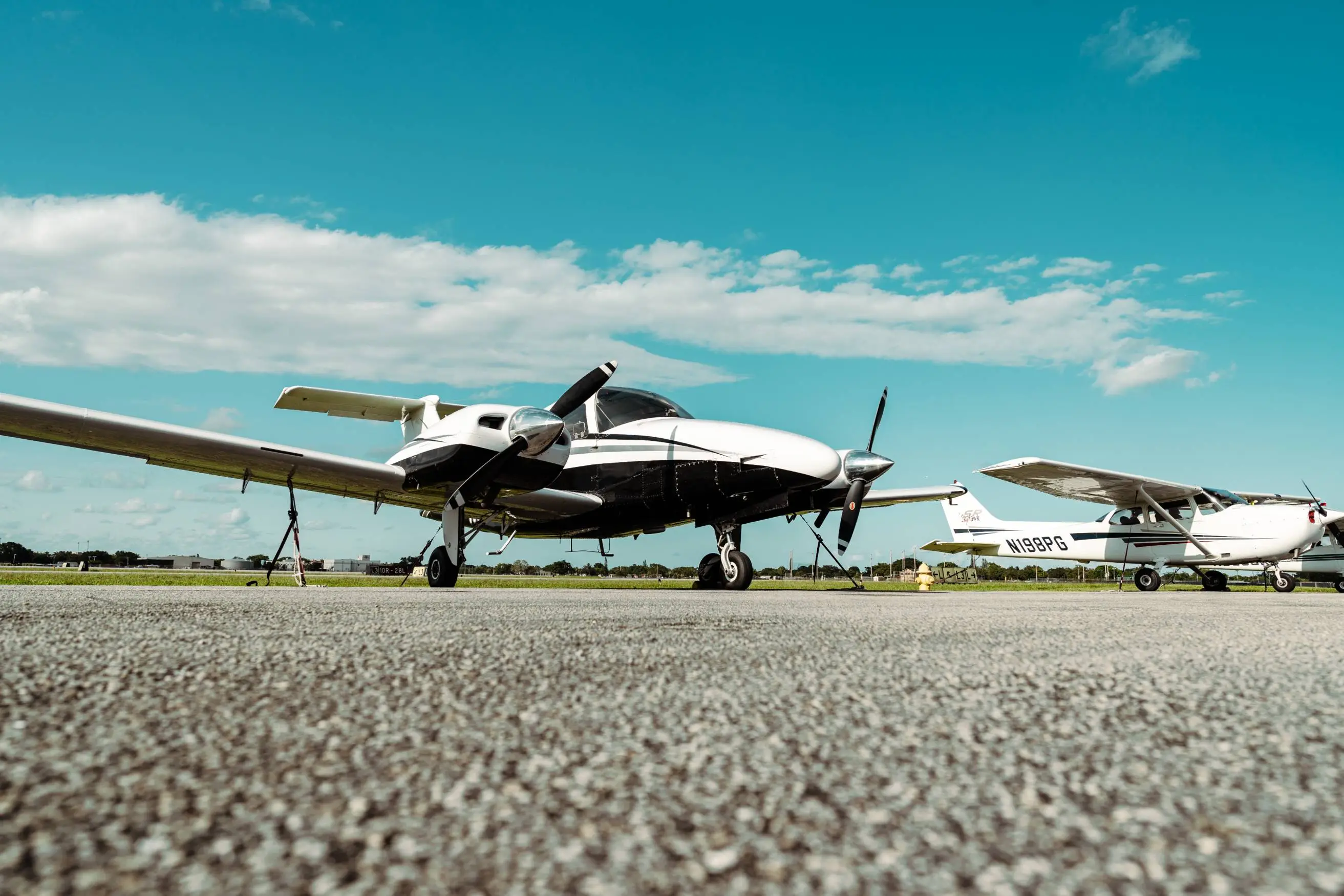
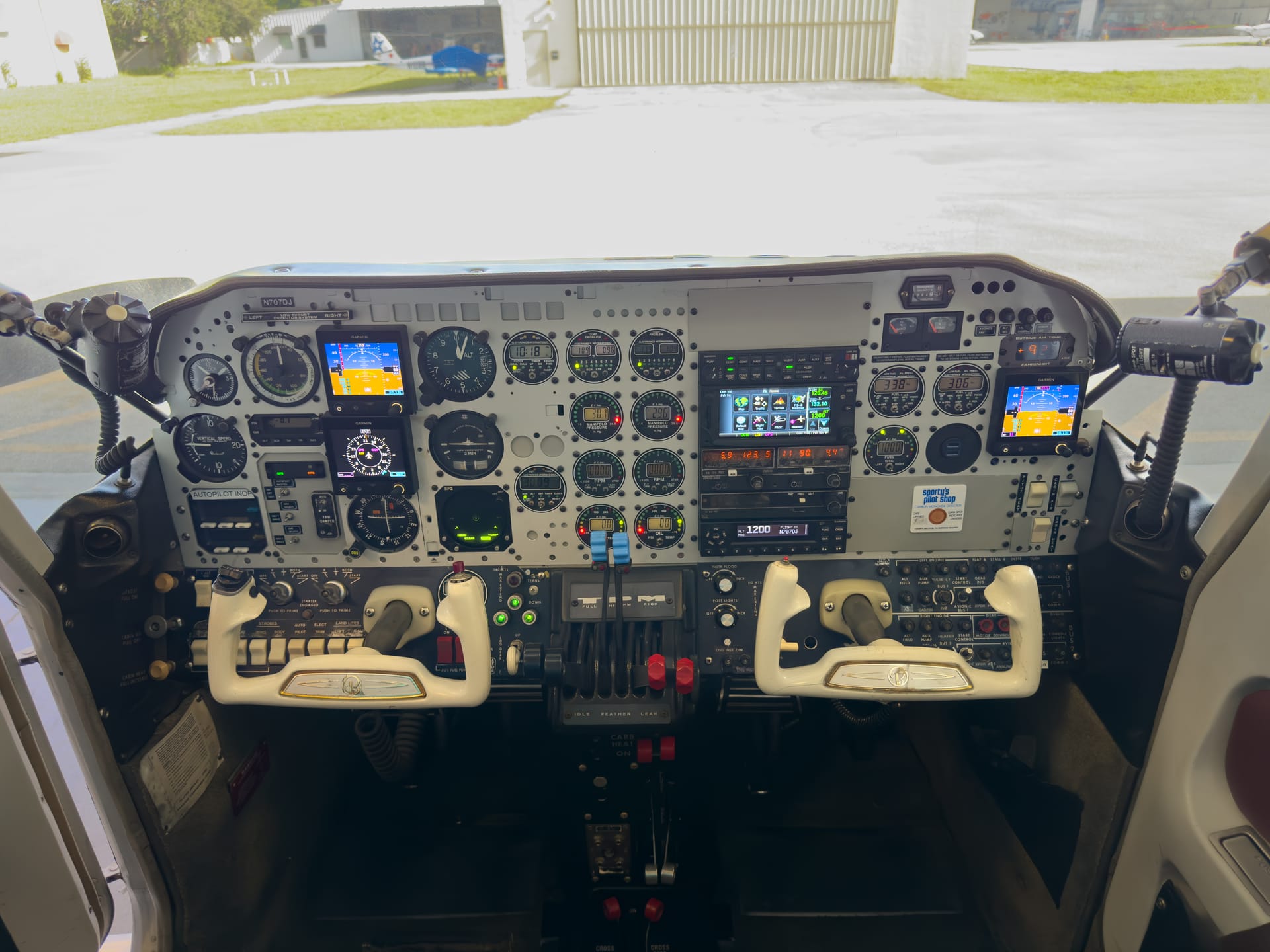
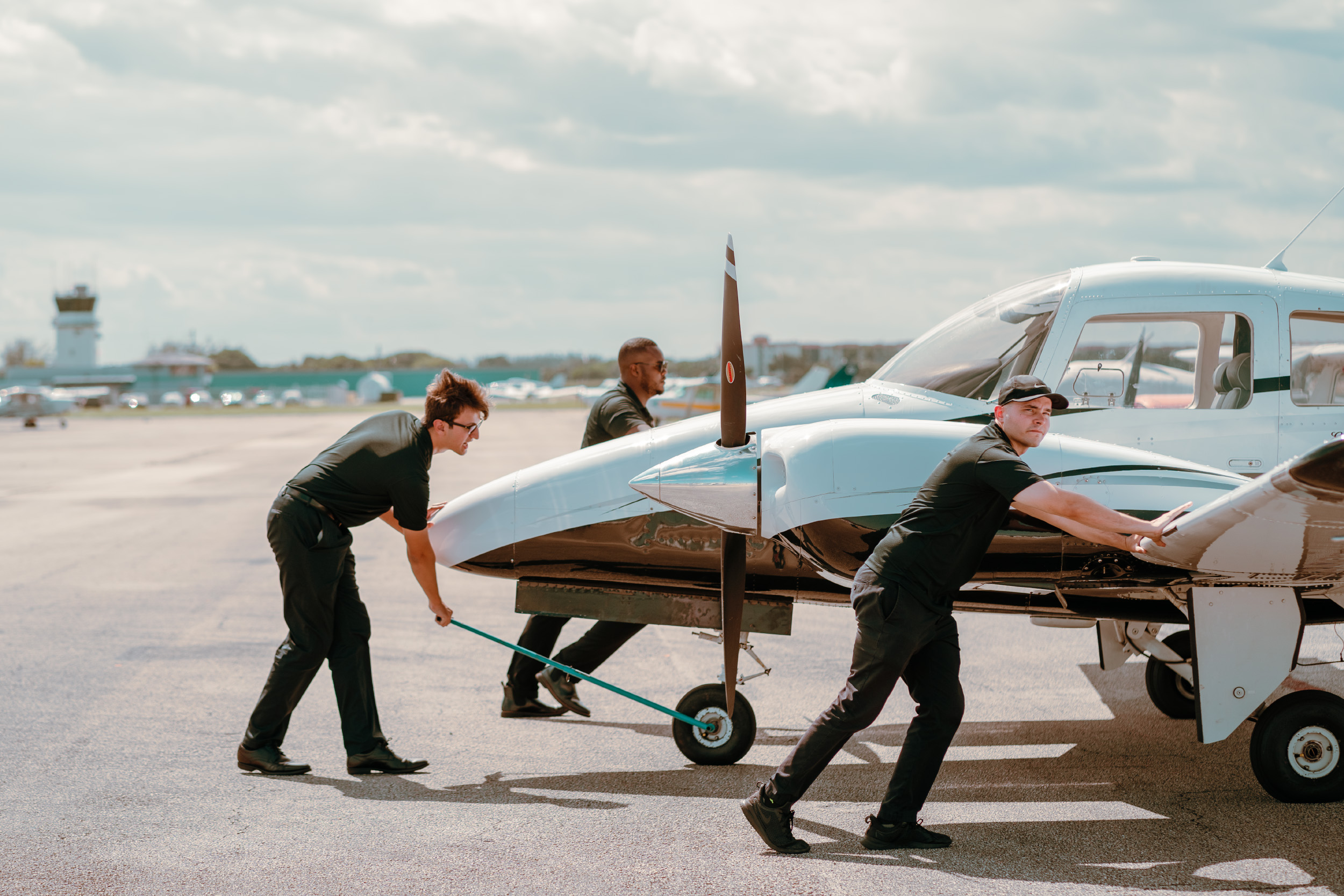
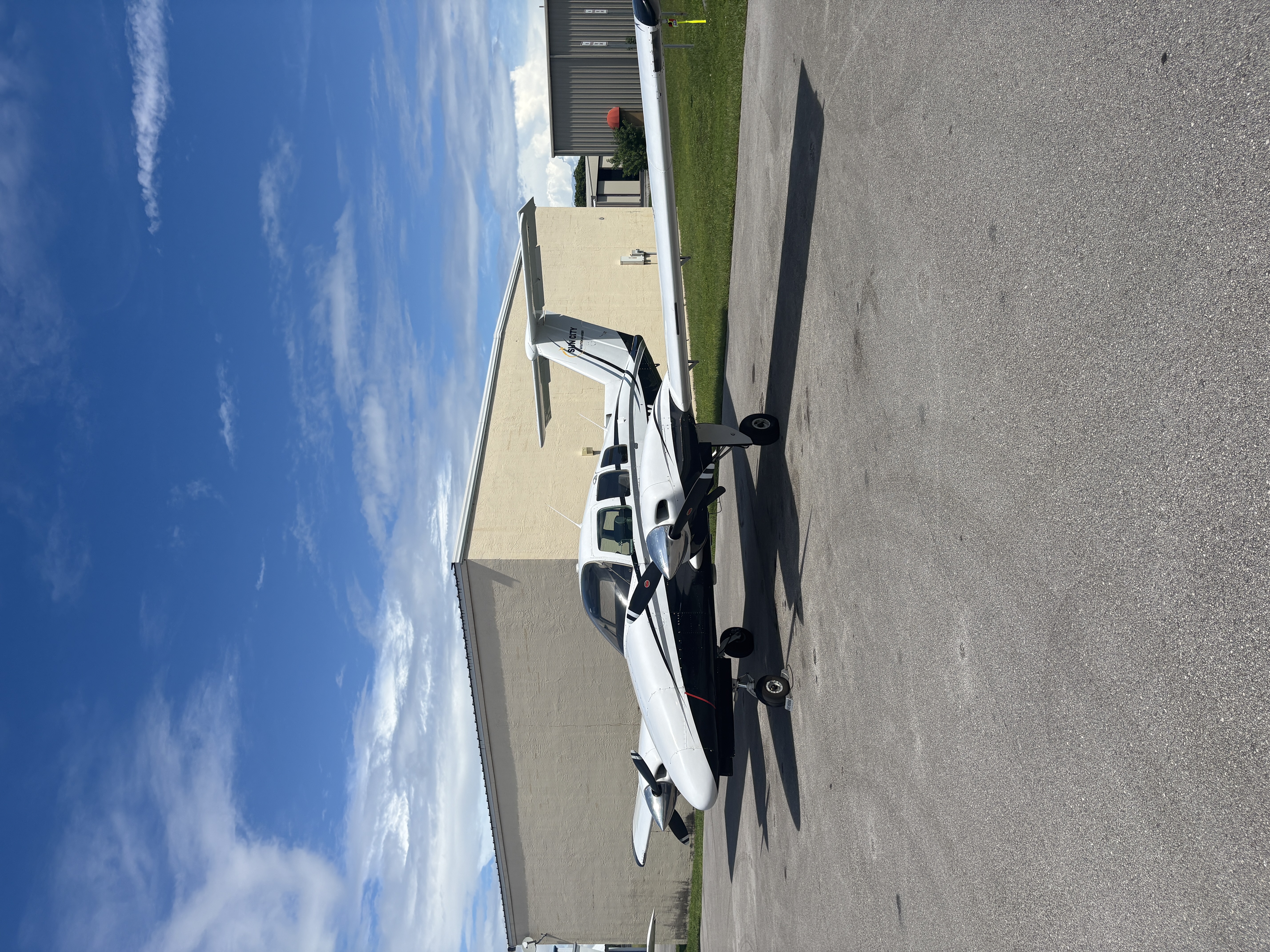
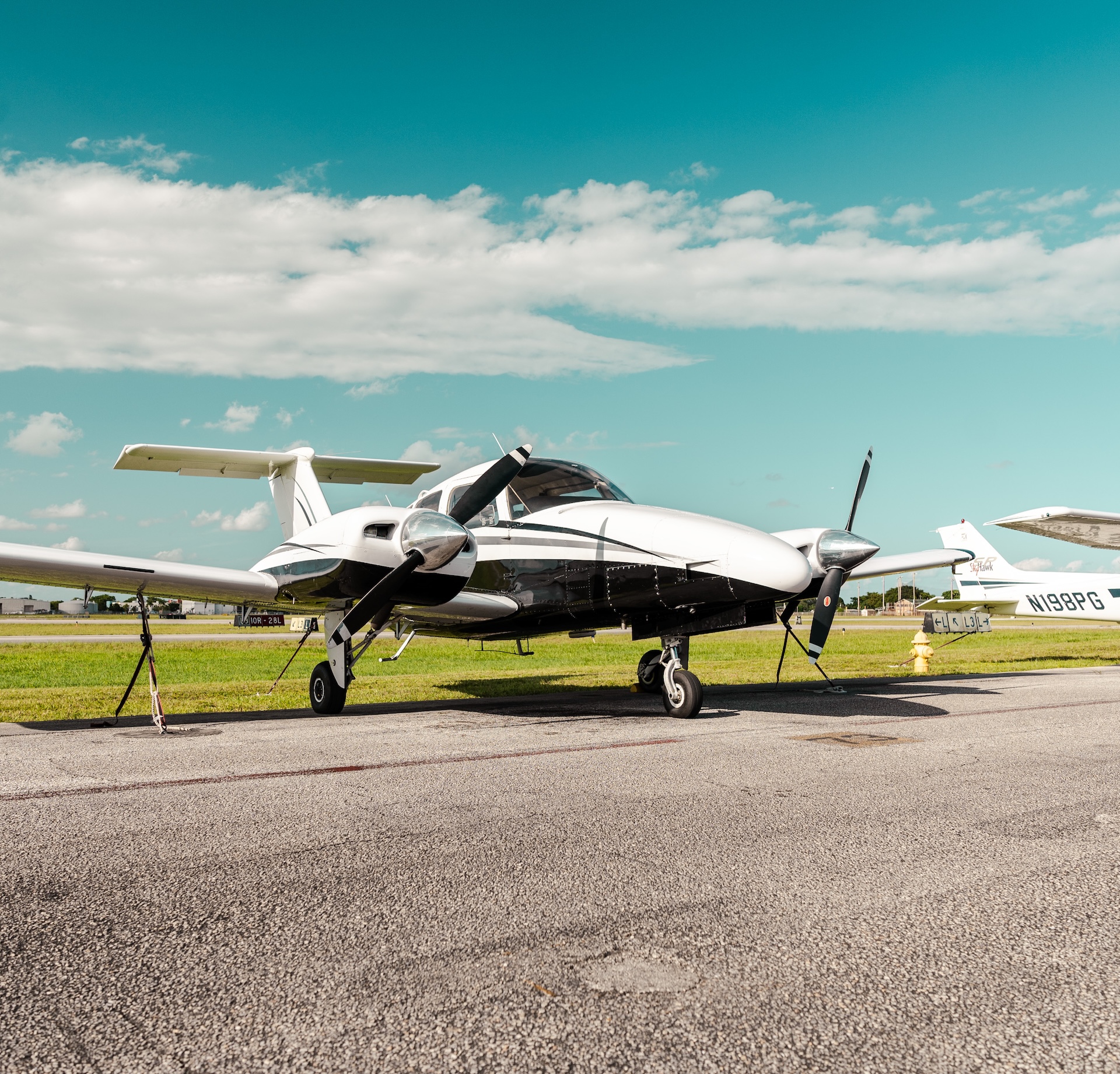
The Duchess is a twin with counter-rotating engines, dual Garmin G5 displays, and a Garmin GTN 750xi. We fly it out of North Perry Airport (KHWO) in Pembroke Pines, and our Beechcraft Duchess page covers the airplane in more detail.
Choose the Duchess when your goal is multi-engine experience. You hold the rating, you want those 25 to 50 twin hours that job postings often mention, and you want every hour to build total time and multi-engine time together. It also fits a pilot who wants practice with engine-out procedures and one-engine approaches in the real airplane, since regular twin flying keeps those skills sharp.
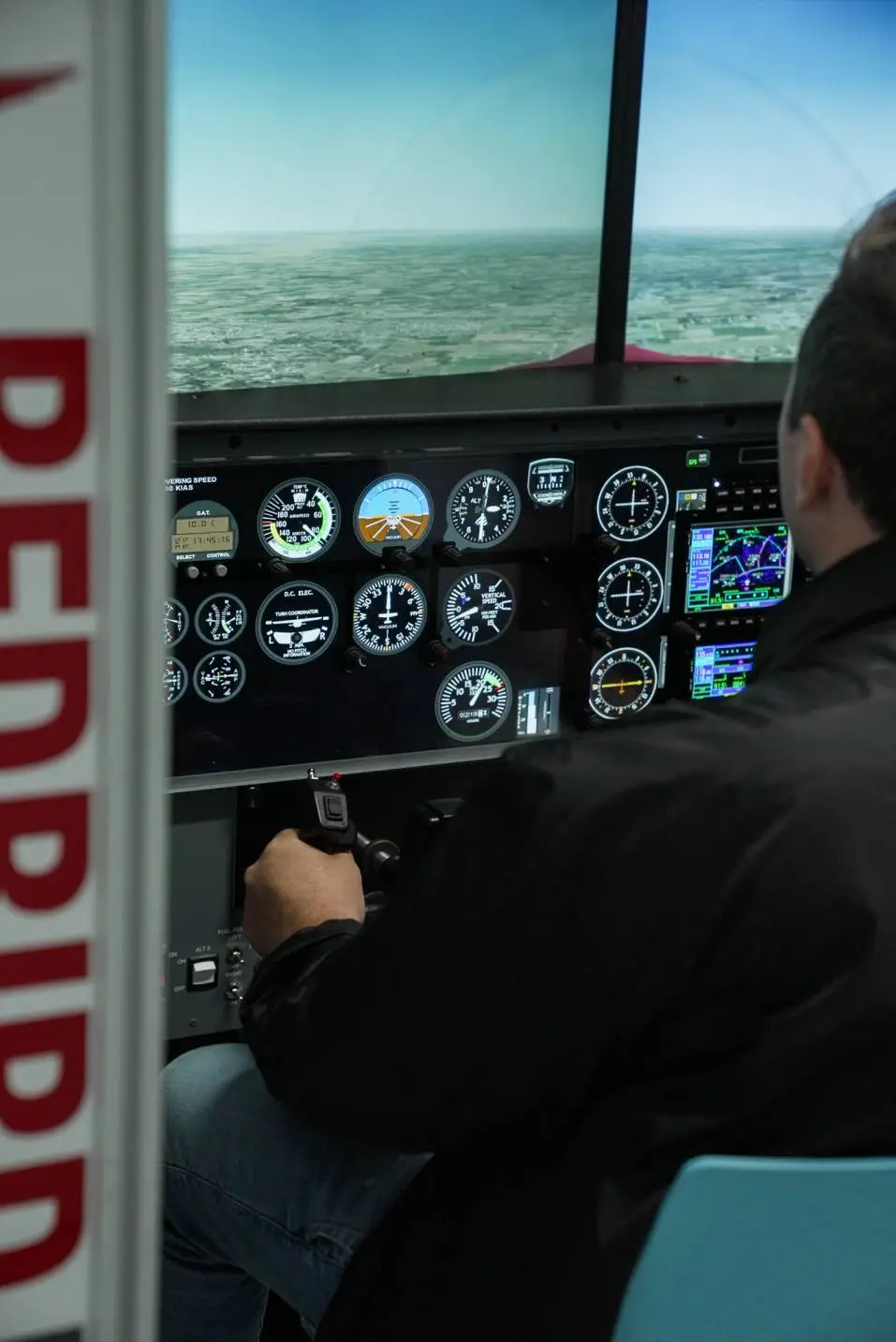
If you do not hold the rating yet, our multi-engine rating add-on runs $4,100 to $6,100, and FAA fees vary and additional training may be required. Most pilots complete it in 10 to 15 flight hours, and the training starts in our Redbird simulator so the first simulated engine failure happens on the ground. Our block packages for twin time building come in 25, 50, and 100 hours, which turns a string of single bookings into one plan.
When the Cessna 172 Is the Right Hours Builder
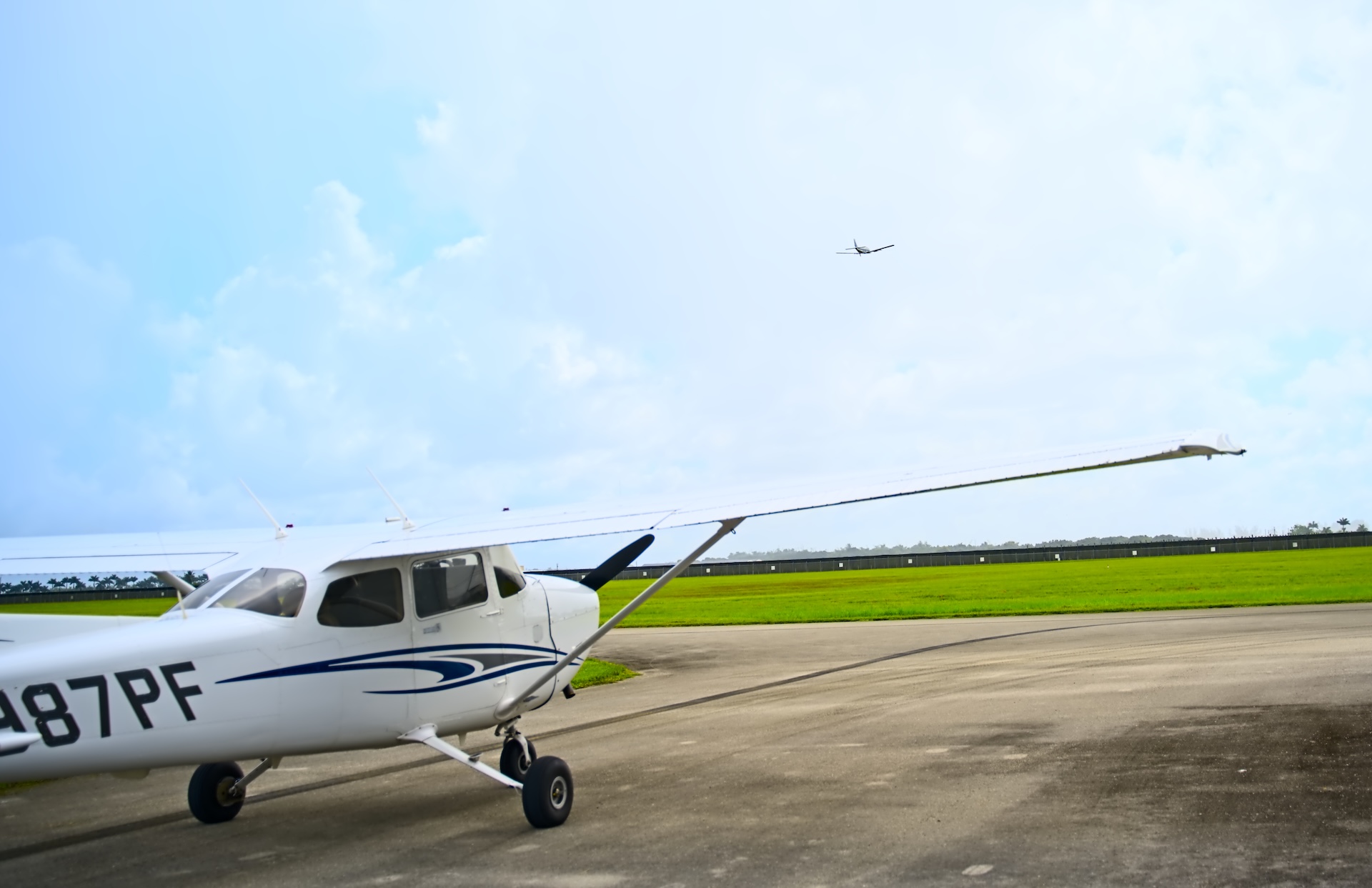
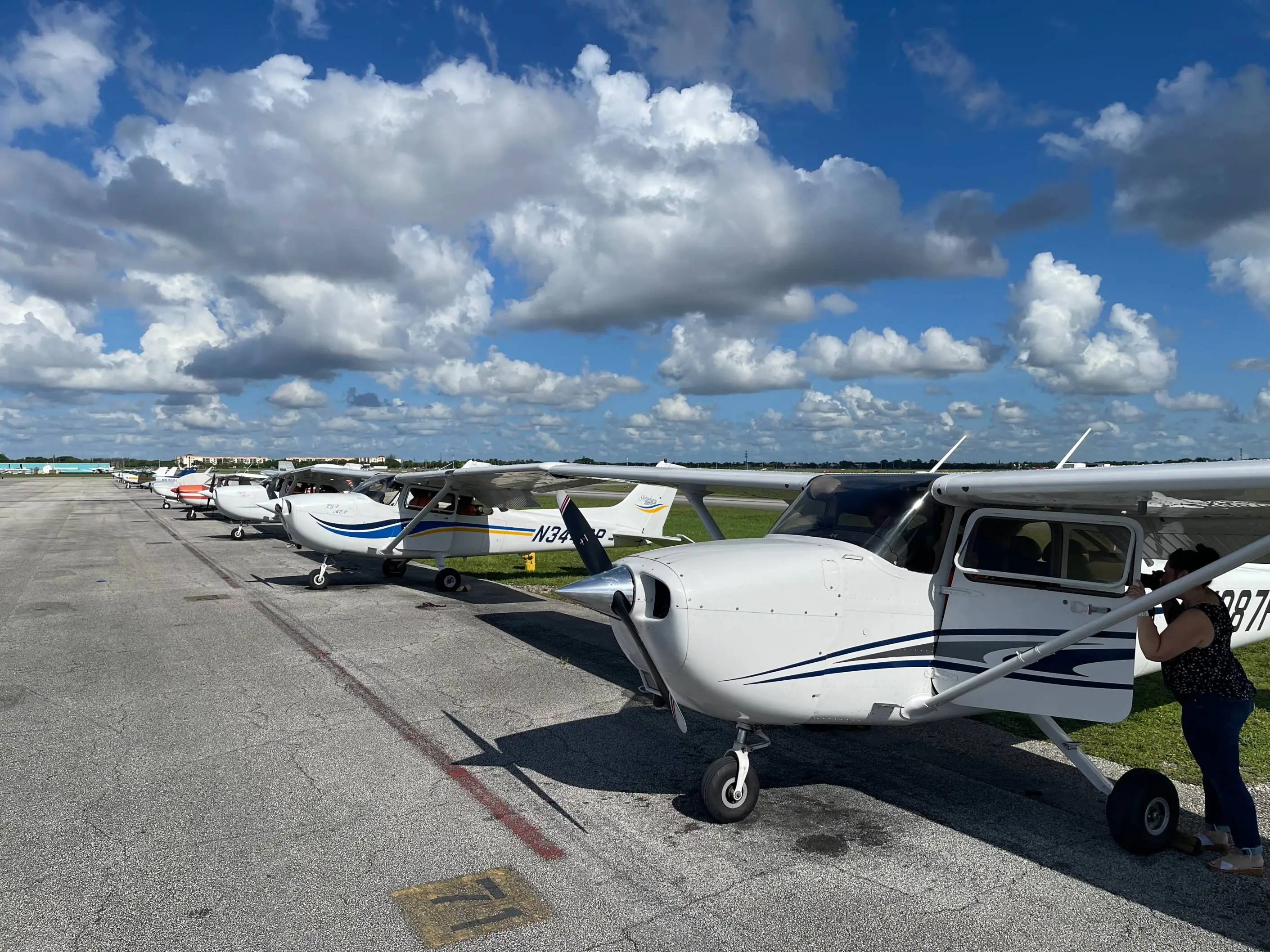
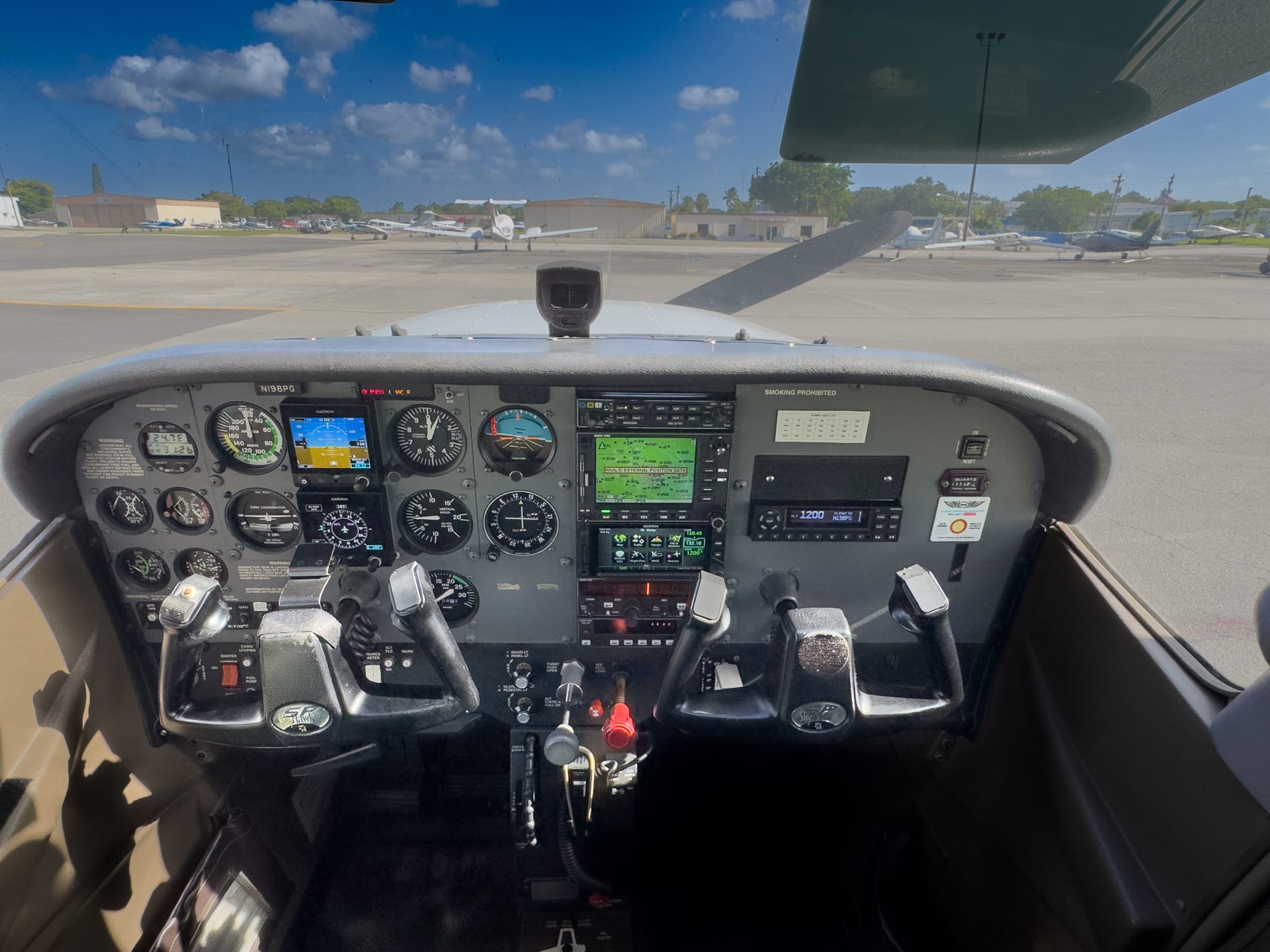
The Cessna 172 is a single-engine airplane and the trainer many pilots started in. Our Cessna 172s carry Garmin navigation, dual G5 primary displays, and a dual-axis autopilot, so you can build modern-avionics time too. Our Cessna 172 page shows the equipment.
Choose the 172 when your goal is total time and general pilot-in-command experience. A pilot early in the path, such as a private pilot working toward a commercial certificate, needs cross-country, night, and instrument hours that a single can build. A pilot heading toward the flight instructor certificate can also keep building hours in a single-engine airplane while that goal takes shape.
The 172 also fits a pilot who has no multi-engine rating and wants to keep flying while saving for one. Those hours still count toward 1,500 total, and nothing about them has to be redone later. Generally, a single-engine airplane costs less per hour to operate than a twin, so the same budget buys more hours in the log. Contact us for current rates on either airplane.
What Drives Cost Differently Between a Twin and a Single
You will pay for the same categories in both airplanes: aircraft rental, instructor time, fuel, and insurance. Each category is bigger in a twin. Two engines burn more fuel than one, and two engines mean two sets of everything to maintain, so a twin’s operating cost generally runs higher than a single’s.
That is why a quote tells you little until you check what it contains. Confirm whether fuel is in the rate for either airplane, and whether an instructor is required for the flights you plan. Our cost guide walks through each line and explains how block hours work.
Sharing a flight with another pilot is a common way to spread cost, and the FAA addresses it in 14 CFR 61.113. A pilot may pay no less than a pro rata share of the operating expenses of a flight with passengers, and the rule limits those expenses to fuel, oil, airport expenditures, and rental fees. Logging follows its own rules under 14 CFR 61.51. Confirm the arrangement and how each pilot logs the time with an instructor before you rely on it.
Funding is part of the same decision. Financing options through Stratus Financial may be available to qualified applicants, and our Stratus Financial page explains the process.
Checkout, Currency, and Insurance for Each Airplane
A rating gets you into the airplane, and currency and a checkout keep you there. Currency is specific to the class of airplane. To carry passengers you need three takeoffs and landings in the preceding 90 days, in the same category and class, under 14 CFR 61.57. Three landings in a 172 do nothing for a passenger flight in the Duchess.
That detail matters if you mix the two airplanes. A pilot who flies the 172 every week and the twin once a month has to watch twin currency separately. Our requirements guide covers the flight review, medical, and recency items in the order you meet them.
Checkout and insurance vary by school and insurer, and they can differ from one airplane to the other. Ask which policy covers each airplane, who pays any deductible, and what checkout flight comes first. Our seven questions to ask any program puts those on a single checklist. Contact us for the details that apply to our Cessna 172s and our Duchess.
What Airlines Look at When They Read Your Logbook
Airline eligibility and airline hiring are separate milestones. Eligibility is the hours and experience the FAA asks for, including the 1,500-hour shorthand for the standard ATP. Hiring is the employer’s decision, and requirements vary by employer. No airplane guarantees an interview, so build the logbook your goal asks for.
A logbook shows a pattern. Total time says you have flown. Cross-country, night, and instrument time say what kind of flying you did. Multi-engine time says you have handled a twin, and that line is often a prerequisite for professional pilot jobs. A pilot who builds the first lines in a 172 and the second in a Duchess ends up with both on the page.
Our airline transport pilot page outlines the path from the certificate to the ATP.
A Mixed Plan Often Beats Choosing One
Plenty of pilots split the plan by what each airplane does best. Say you hold a commercial certificate and need both lines of the logbook to grow. You could build general hours and cross-country time in a 172 while you save, then move into a Duchess block once the rating is on your certificate. A pilot who already has the rating might do the opposite and put the bulk of the hours in the twin, with the 172 for currency of the single-engine skills.
The right split depends on your calendar, your budget, and how soon you want to apply. Our schedule guide shows how weekly flying keeps both lines moving, and our multi-engine training guide for Florida covers the ratings that come first. Year-round flying weather in Pembroke Pines helps either plan hold its schedule.
Duchess vs Cessna 172: Decision Table
Use the table as a last pass. Find the row that matches your priority, then read across.
| Your priority | Beechcraft Duchess | Cessna 172 |
|---|---|---|
| Builds total time | Yes | Yes |
| Builds multi-engine time | Yes | No |
| Generally lower operating cost per hour | No, two engines burn more fuel and need more maintenance | Yes, one engine costs less to run |
| Needs the multi-engine rating first | Yes | No |
| Passenger currency | Needs landings in a multi-engine airplane | Needs landings in a single-engine airplane |
| Best fit | Pilots with the rating who want the multi-engine line | Pilots building total time, cross-country, and night hours |
If you hold the rating and the job postings you read mention twin time, start with the Duchess. If you are still earning the rating, or you want to stretch a budget while you build general hours, start with the 172. If you want both lines of the logbook, plan a mix.
Questions Pilots Ask About Multi-Engine vs Single-Engine Time Building
Is multi-engine time building better than single-engine time building?
Neither is better in general. Multi-engine time building grows total time and multi-engine time together, and single-engine time building grows total time at a generally lower operating cost. Pick by the line of the logbook you need to fill.
Do single-engine hours count toward 1,500 hours?
Yes. Hours in a single-engine airplane count toward total time for the standard ATP shorthand of 1,500 hours. The ATP also asks for other experience, such as cross-country, night, and instrument time, which you can log in either airplane when the flight qualifies.
Do I need a multi-engine rating to build hours in a twin?
Yes. The rating is a class rating added to your pilot certificate, and it lets you act as pilot in command of a twin. Our add-on starts with at least a private pilot certificate and a valid FAA medical certificate.
Can I use my 172 landings to stay current in a twin?
No. Passenger recency is specific to the category and class of airplane, so twin currency needs twin landings.
Tell Us Your Goal and We Will Plan the Hours With You
Share your certificate, your rating status, and your target date, and we will map where your next hundred hours should go. Bring your logbook and a budget range, and tell us whether the multi-engine line or the total-time line matters more right now. We will talk through both airplanes with you and what each one builds. Contact us to plan your hours.
 More Right Rudder