Multi-Engine Time Building Programs in 2026: 7 Questions to Ask

Published by:
Amber P.
Published on:
Updated on:
Read time:
8 min read
You have your commercial certificate, a target near 1,500 hours, and two or three twin-engine programs open in different tabs. Each one shows an hourly rate, and each rate looks reasonable. Then you try to compare them and find that no two quotes list the same things. Choosing among multi engine time building programs is easier when you ask the same seven questions of every one.
Below is the checklist we would use. Each question says what to listen for, and where our own program answers it, we say so. For current numbers, contact us for current block rates and we will walk you through them.
Question 1: Which Aircraft Will You Fly, and Will It Be Available?
Start with the airplane, because every hour you buy is flown in it. Look at the engines, the avionics, and whether the cockpit looks like the ones you will meet in professional flying. Then ask whether you can actually get it when your plan needs it.
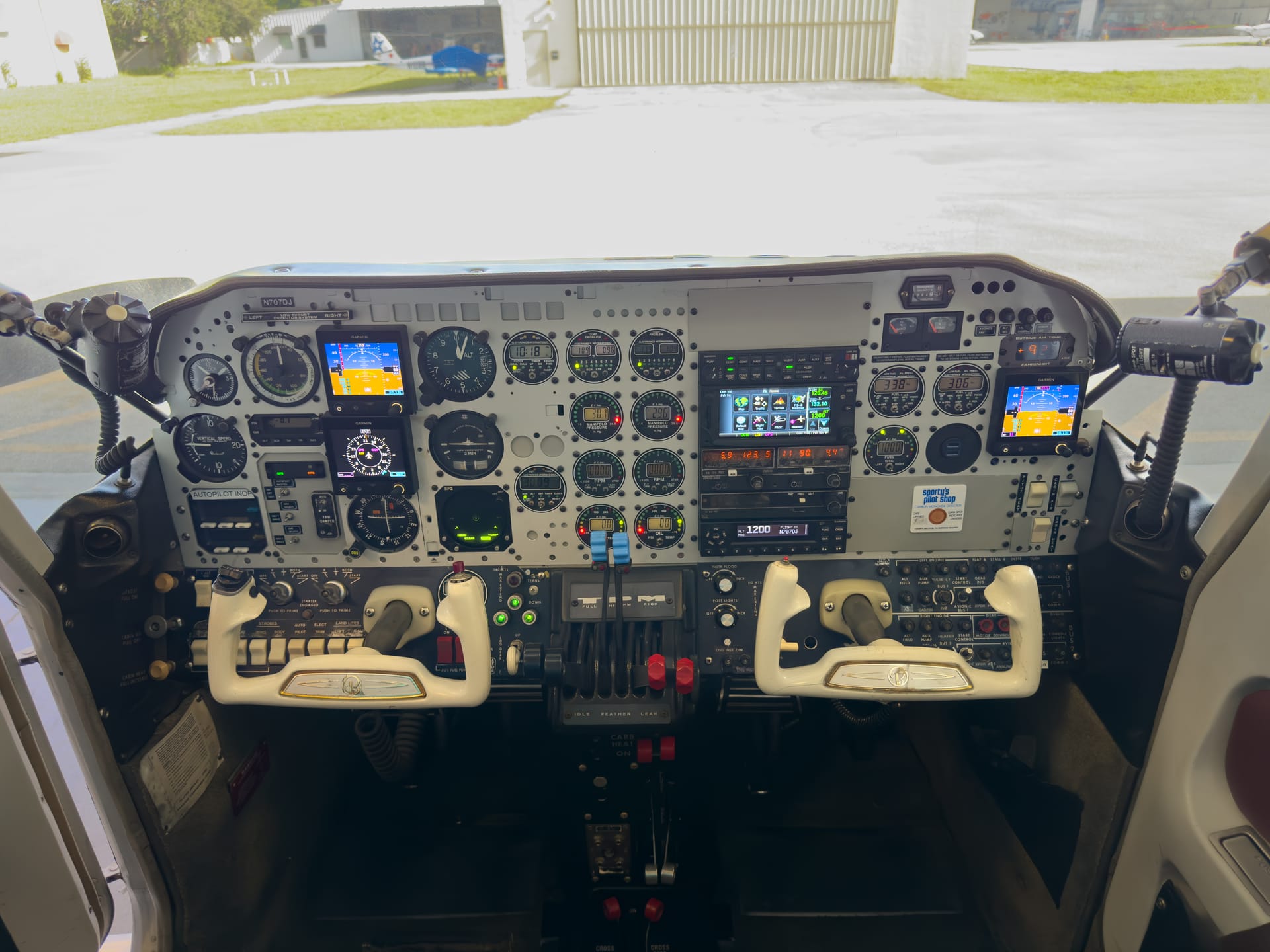
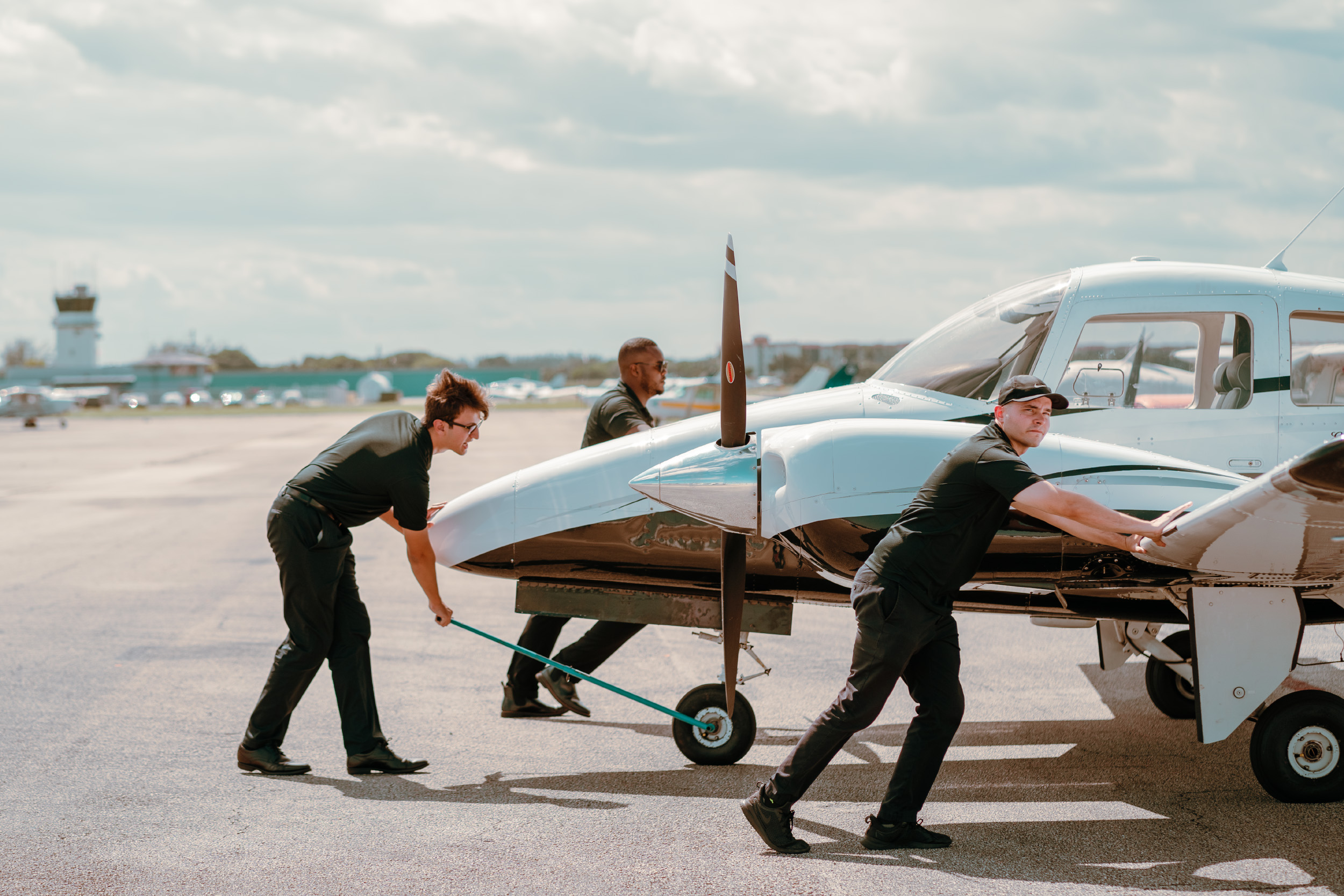
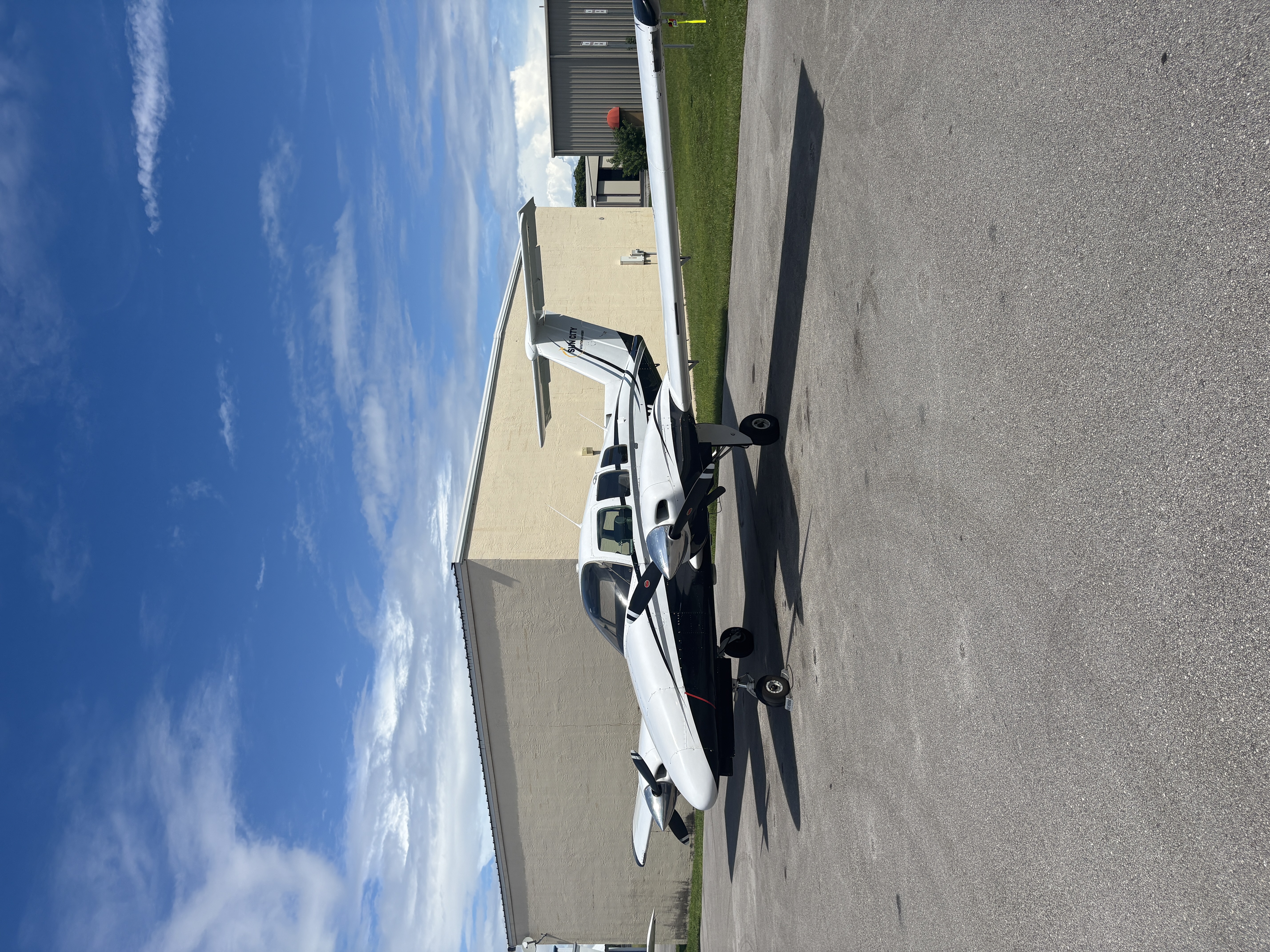
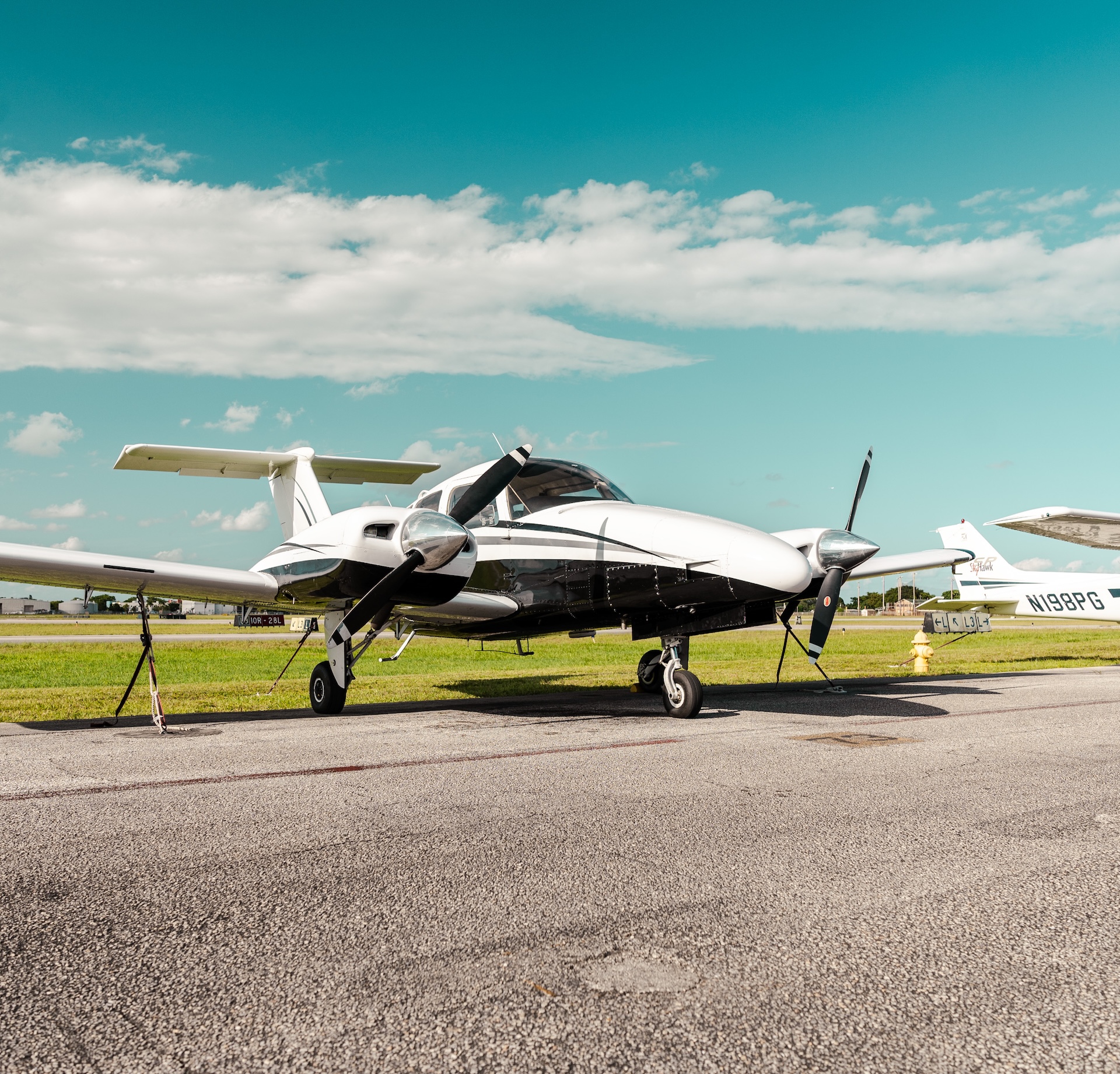
Our twin is the Beechcraft Duchess. It has counter-rotating engines, dual Garmin G5 electronic flight displays, and a touch-screen Garmin GTN 750xi. You can look it over on the Beechcraft Duchess page. A discounted hour you cannot book is not a saving, so ask any program about schedule availability before you pay for a block. Contact us to confirm current schedule availability for ours.

Question 2: How Is the Block of Hours Built?
A block is a prepaid package of aircraft hours. Programs structure them differently, and the size you choose should match the multi-engine hours you need next, not the biggest package on the menu.
Our block packages come in 25, 50, and 100 hours, and they carry discounted rates compared with booking hour by hour. The table shows how pilots usually match size to goal.
| Block size | Best fit | What it helps you plan |
|---|---|---|
| 25 hours | A first chunk of multi-engine time | A lower starting commitment while you test your schedule |
| 50 hours | A defined milestone | A fit for the 25 to 50 hour range that is often a prerequisite for professional pilot jobs |
| 100 hours | A longer plan toward the airline threshold | The largest block for the longest plan |
The standard airline transport pilot certificate asks for 1,500 hours of total time, with restricted-privilege pathways for some graduates and military pilots. Eligibility is a milestone, and hiring is a separate step. Our multi-engine rating page shows how the add-on and the blocks fit together, and our cost breakdown explains each line behind the hourly rate.
Question 3: What Does the Hourly Rate Include?
This is the question that rescues most comparisons. Two programs can quote the same hourly number and charge very different totals, because the quote may or may not carry fuel, instructor time, insurance, or fees.
Put the same lines side by side for every program you compare:
- The aircraft rate per hour, and whether fuel sits inside it.
- The instructor rate, and which flights carry it.
- Renter insurance and any related cost.
- Any fees added on top of the hourly rate.
Two engines burn more fuel than one, so the fuel line carries more weight in a twin than it did in your single-engine trainer. When you compare us with anyone else, use the same assumptions on both quotes. We will go through ours line by line when you contact us, and our flight training pilot programs show where time building sits in the full path.
Question 4: Who Flies With You, and Who Can Sit in the Other Seat?
Time building mixes flights with an instructor and flights without one. On a dual flight you pay for the airplane and for the instructor’s time. On other flights you do not. Ask each program how it handles both, and when an instructor is needed.
Many pilots also look at flying with a safety pilot, a second rated pilot in the right seat. The FAA allows cost sharing in some situations. Under 14 CFR 61.113, a pilot may share the cost of fuel, oil, airport expenses, or rental fees with passengers, and the pilot must pay at least a pro rata share of those expenses.
Keep two things apart. Cost sharing is one question, and how each pilot logs the flight is another, governed by the logging rules in 14 CFR 61.51. Whether a particular arrangement qualifies depends on the details of the flight, so settle both with an instructor before you rely on it. Our multi-engine time building roadmap covers how pilots structure their hours. Contact us to talk through how this fits your plan.
Question 5: Where Will You Fly, and How Will Scheduling Work?
Location decides the kind of flying you log. Our home base is North Perry Airport (KHWO) in Pembroke Pines, and flying out of KHWO puts you close to the busy airspace around Miami and Fort Lauderdale. Radio work and traffic awareness get real practice there.
We also have year-round flying weather in South Florida, which helps a block keep moving. Schedule gaps are a cost people forget, because a long break adds review time before you build again. Read about our Pembroke Pines location and ask every program how far ahead you can book, how many hours a week you can realistically fly, and who your point of contact is when plans change.

Question 6: What Are the Checkout and Insurance Requirements?
Before you fly a twin as pilot in command, a program needs to know you can handle it. Checkout flights, minimum experience, and renter insurance vary from one operator to the next, and they can add cost or delay your first block hour.
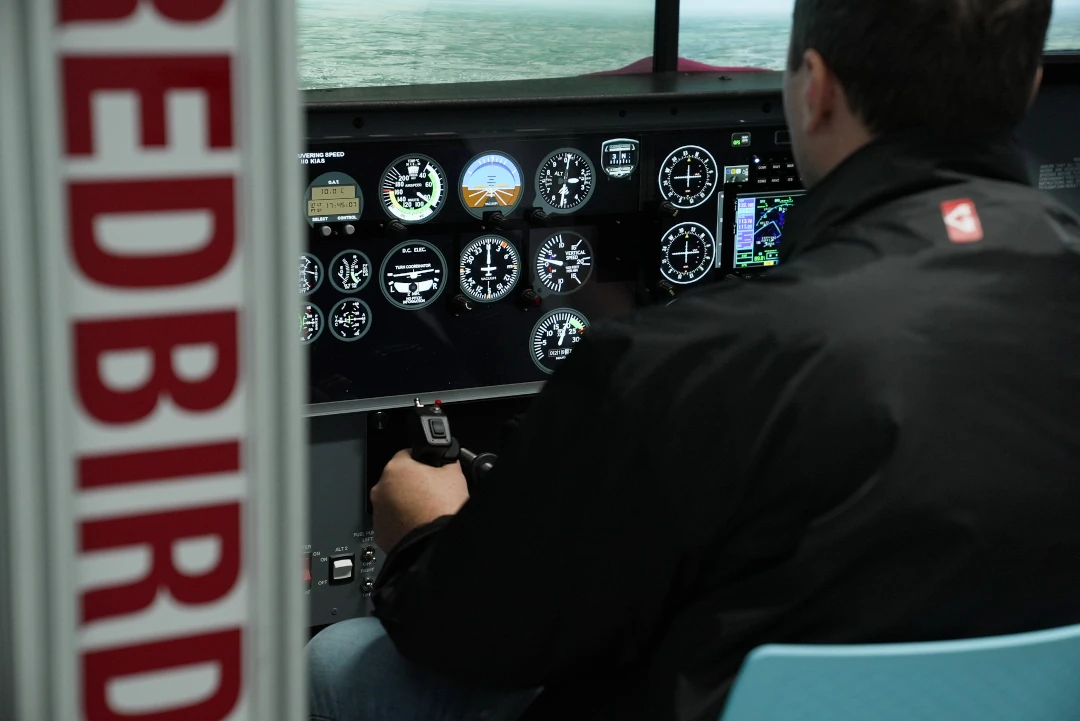
Ask for the requirements in writing, and ask what you would pay for each before your first block hour. If you do not hold the rating yet, the add-on comes first. Our multi-engine add-on runs $4,100 to $6,100, and FAA fees vary and additional training may be required. Most pilots complete it in 10 to 15 flight hours, starting in our Redbird simulator before moving into the Duchess. Our post on multi-engine training in Florida walks through that sequence. Contact us for the checkout and insurance details that apply to ours.
Question 7: How Will You Pay for It, and What Is Your Next Step?
A block is a large purchase, and a plan is easier to follow when payment is settled before you start. Financing options through Stratus Financial may be available to qualified applicants, and they can help you spread the cost of your hours. You can see how it works on our Stratus Financial page.
We can walk you through how financing works with our blocks. A smaller block you finish steadily often beats a larger one you stall on, so decide how many hours to buy now and how many to add later. If you are still deciding on your path to the cockpit, the full sequence is laid out in our commercial pilot training program.
Your Side-by-Side Scorecard
Copy this table, fill it in for each of the time building programs on your list, and compare the columns. The right-hand column shows what we can tell you today about ours.
| Question | What to write down | What we can tell you |
|---|---|---|
| Aircraft | Type, engines, avionics, availability | Beechcraft Duchess with dual Garmin G5 and Garmin GTN 750xi |
| Block structure | Sizes, discount, terms | 25, 50, and 100 hours at discounted rates |
| Included in the rate | Fuel, instructor, insurance, fees | Contact us for a line-by-line walkthrough |
| Instructor and safety pilot | When each is used, cost-sharing rules | Dual and non-dual flights are billed differently |
| Location and schedule | Airport, airspace, booking lead time | KHWO, Pembroke Pines, year-round flying weather |
| Checkout and insurance | Requirements and cost | Contact us for current requirements |
| Financing | Options and timeline | Stratus Financial options may be available to qualified applicants |
Questions Pilots Ask While They Compare
How do I compare multi engine time building programs fairly?
Use the same assumptions for every program: the same number of hours, the same lines on the quote, and the same question about what the rate includes. A lower hourly number does not mean a lower total until you see the lines behind it.
Is there a program for multi engine time building near me in Florida?
Our home base at North Perry Airport (KHWO) in Pembroke Pines serves pilots across Miami, Fort Lauderdale, Broward, and Miami-Dade. Our Pembroke Pines location page has the details.
Do I need the multi-engine rating before I start time building?
You need the rating to act as pilot in command of a twin, so many pilots add it first. Our add-on runs $4,100 to $6,100, and FAA fees vary and additional training may be required. Most pilots complete it in 10 to 15 flight hours.
Can I split rental costs with another pilot?
The FAA lets a pilot share some operating expenses under 14 CFR 61.113, and logging follows its own rules under 14 CFR 61.51. Review both with an instructor before you plan around it.
Which block size should I choose?
Choose the size that matches your next milestone. A 25-hour block suits a first chunk, a 50-hour block fits a defined target, and a 100-hour block suits a longer plan. Contact us and we will help you pick one.
Take the Checklist to Us First
Bring your logbook, your target, and the seven questions, and we will answer each one with current numbers for your plan. Tell us how many multi-engine hours you need and how often you can fly. Contact us for current block rates and schedule availability.
 More Right Rudder