Part 61 vs. Part 141 Commercial Pilot Course: Which Path Fits Your Career Timeline?
Published by:
Georgette P.
Published on:
Updated on:
Read time:
7 min read
When you decide to transition from recreational flying to a professional aviation career, earning your FAA Commercial Pilot Certificate is the essential milestone. Holding a commercial certificate legally qualifies you to fly for compensation or hire, opening doors to airline cadet programs, charter flight operations, aerial surveying, and flight instructing.
However, prospective commercial students face a fundamental structural choice: should you enroll in an FAA Part 141 commercial course or train under FAA Part 61 regulations?
At Sun City Aviation Academy in Pembroke Pines, Florida, we hold both FAA Part 141 certification and offer flexible Part 61 training. Here is a direct breakdown of how both regulatory pathways differ in flight hour requirements, syllabus structure, and training timelines so you can choose the right path for your aviation career.
1. Flight Hour Requirements: 190 Hours vs. 250 Hours
The most significant regulatory difference between Part 141 and Part 61 commercial training is the total flight time required for certificate eligibility:
FAA Part 141 (190 Total Flight Hours)
Under 14 CFR Part 141 Appendix D, flight schools follow a strict, FAA-inspected training syllabus. Because every flight lesson, ground topic, and stage check is tightly monitored, the FAA reduces the total aeronautical experience requirement from 250 hours down to 190 total flight hours.
For full-time students who begin commercial training immediately after their instrument rating, this 60-hour reduction can save substantial aircraft rental costs and shave months off your timeline to commercial certification.
FAA Part 61 (250 Total Flight Hours)
Under 14 CFR 61.129, candidates must log at least 250 total flight hours before they are eligible to take the commercial practical test. This includes at least 100 hours of Pilot in Command (PIC) time, 50 hours of cross-country flight, and 20 hours of dedicated commercial dual instruction.
While Part 61 requires more total hours, it allows you to accumulate those hours through diverse flying, such as personal cross-country trips, time-building with friends, or flying family across Florida.
To review our full curriculum structure, visit our Commercial Pilot Course page and explore our in-depth Florida commercial pilot guide.
2. Syllabus Structure and Stage Checks
How your day-to-day training is organized differs substantially between the two regulations:
- Part 141 Structured Milestones: Training is divided into sequential stages (Stage 1: Basic Commercial Maneuvers, Stage 2: Cross-Country Operations, Stage 3: ACS Checkride Preparation). You must pass formal ground and flight stage checks with a Chief or Assistant Chief Flight Instructor before advancing to the next stage.
- Part 61 Flexible Progression: Your training is customized to your individual learning pace. If you master commercial maneuvers like lazy eights and steep spirals quickly, your instructor can transition directly to night cross-country flights and precision landings without waiting for formal stage check scheduling.
Regardless of which regulation you train under, the final practical test is identical. Both Part 61 and Part 141 students must demonstrate mastery of the exact same FAA Commercial Pilot Airman Certification Standards (ACS) during their checkride with a Designated Pilot Examiner (DPE).
Have questions regarding prerequisites or medical certificates? Check our commercial pilot training FAQ for clear answers.
3. Timeline Comparison: Full-Time vs. Part-Time
Your training timeline depends directly on your flight frequency and scheduling availability:
| Training Mode | Part 141 Commercial Timeline | Part 61 Commercial Timeline |
|---|---|---|
| Full-Time (3–5 flights/week) | 2 to 4 months | 3 to 5 months |
| Part-Time (1–2 flights/week) | 5 to 8 months | 6 to 10 months |
| Pacing Style | Structured fast-track | Self-paced / flexible |
| Minimum Flight Hours | 190 total hours | 250 total hours |
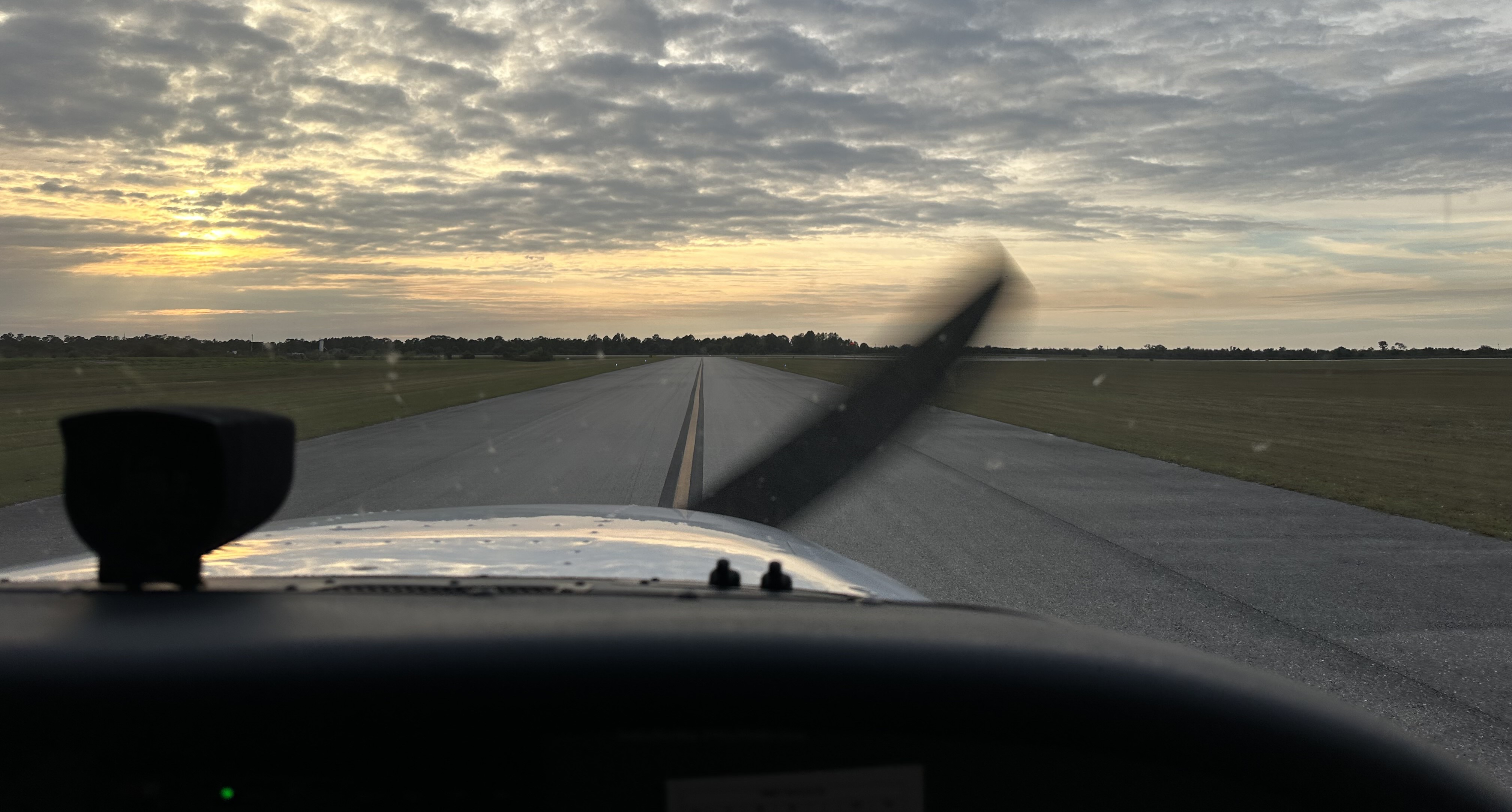
At North Perry Airport (KHWO), our students benefit from year-round South Florida flying weather, four active runways, and an air traffic control tower, ensuring consistent weekly flight slots without seasonal winter delays.
4. Financing Your Commercial Pilot Training
Both Part 141 and Part 61 commercial programs at Sun City Aviation Academy qualify for student flight training financing.
Through our partnership with Stratus Financial, qualified students can secure financing covering their entire commercial pilot syllabus, multi-engine add-on, and flight instructor ratings with manageable repayment terms.
Choosing Your Commercial Path at Sun City Aviation
If you are a full-time student aiming for the fastest route to commercial pilot certification, our FAA Part 141 commercial course offers a proven 190-hour fast track. If you are balancing flight training with work or college, our Part 61 program gives you the flexibility to train on your own schedule.
Contact Sun City Aviation Academy today to speak with our admissions team and map out your commercial pilot training plan.
 More Right Rudder