Student Pilot Privileges and Limitations: CFR 61.89 2026 Guide

Published by:
Georgette P.
Published on:
Updated on:
Read time:
8 min read
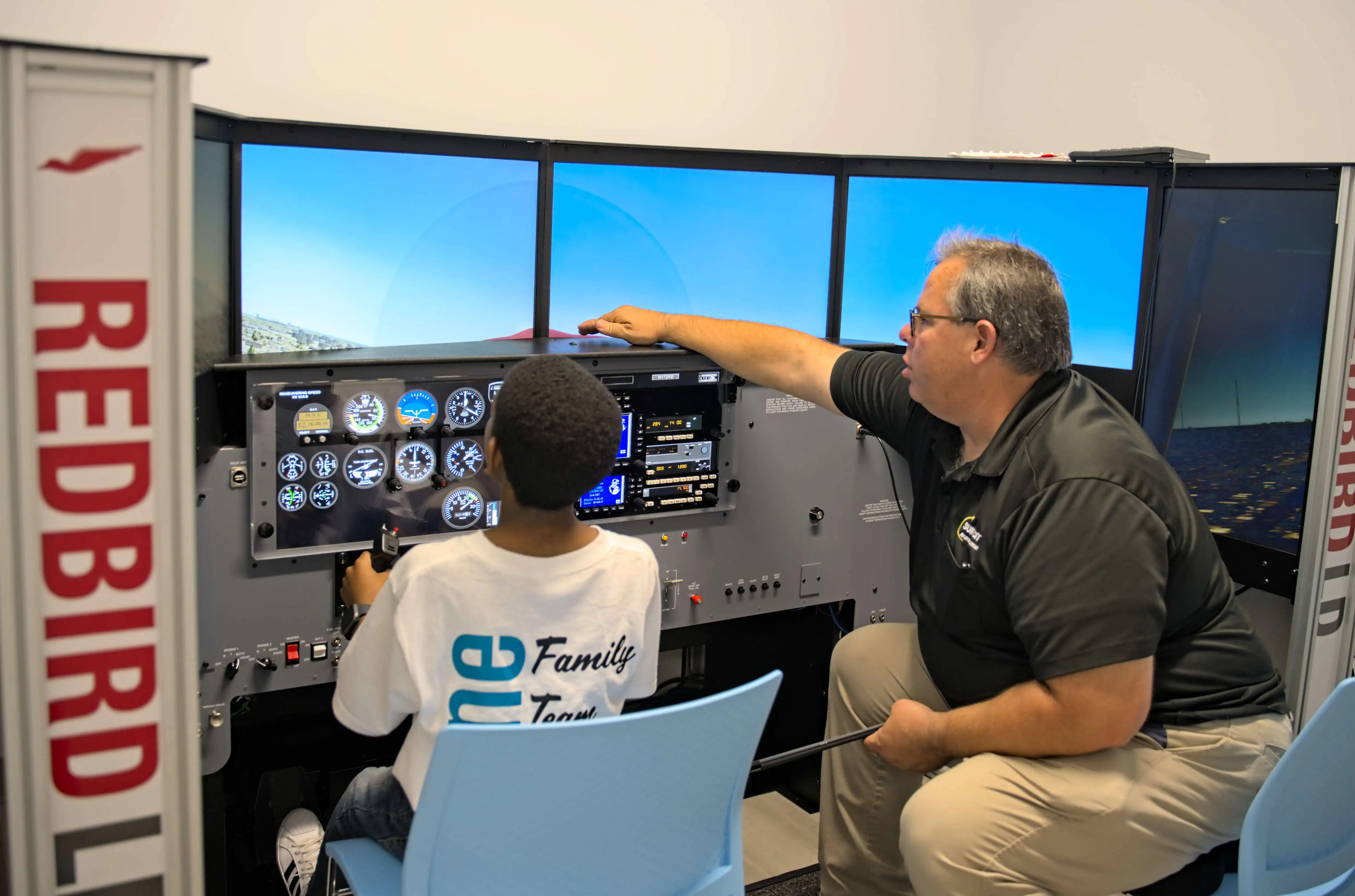
The first solo is one of the biggest moments in flight training. You taxi out alone, hear your own voice on the radio, and realize the airplane is now your responsibility.
That moment should feel exciting. It should not feel unclear.
This is where 14 CFR 61.89 matters. It explains the core student pilot privileges and limitations that shape your solo flights. In plain English, it tells you what you cannot do as a student pilot acting as pilot in command. Those limits are not there to hold you back. They are guardrails that keep your solo flying focused on training, safety, and good decision-making.
At Sun City Aviation Academy, we want students to understand the rule before they need it. When you know what your solo endorsement allows, what it does not allow, and what your CFI wrote in your logbook, you can make better decisions before the propeller ever turns.
14 CFR 61.89 Is Your Solo Guardrail
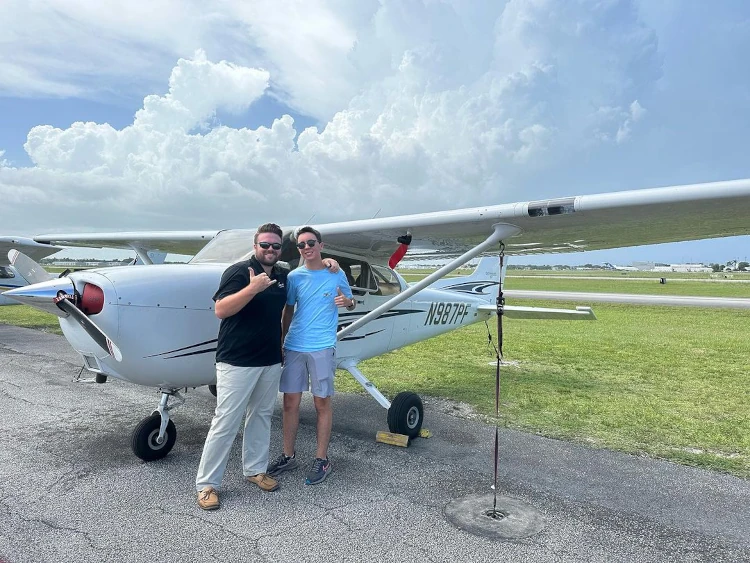
Student pilots do not have the same privileges as private pilots. That is the whole point of the student pilot certificate. You are learning to become pilot in command under a controlled training structure.
14 CFR 61.89, also called FAR 61.89, lists the general limitations for student pilots acting as PIC. The rule covers passengers, compensation, business use, international flights, weather, visual reference to the surface, and instructor limits written in your logbook.
The simple version is this:
- Your solo flights are for training
- Your CFI’s endorsements define what you may do
- Your logbook limits matter
- Weather and visibility must stay inside student pilot limits
- You cannot turn student solo privileges into passenger, business, or paid flying
Once you see the rule this way, it becomes easier to use. It is not just federal text. It is your preflight filter.
If you are working toward your first solo, our Private Pilot Training path gives you a structured way to build the skills, knowledge, and endorsements needed before you fly alone.
No Passengers Means No Passengers
The clearest student pilot limitation is also the one students must take most seriously: you may not act as PIC of an aircraft carrying a passenger.
That means no friend in the right seat. No parent in the back. No quick lap around the pattern with someone who wants to watch. Even if the person is excited for you, and even if the flight feels simple, a student pilot solo flight is carrying a passenger on board is strictly illegal.
This rule protects you from pressure. Before your private pilot checkride, your solo flights are meant to build judgment, aircraft control, radio confidence, traffic pattern skill, and cross-country discipline without the added responsibility of carrying another person.
There will be a time for passengers after you earn the right certificate and meet the required conditions. Until then, keep the cockpit simple. Your job is to fly the airplane, follow your endorsements, and learn.
Student Solo Flying Is Not for Pay or Business
Under 14 CFR 61.89, a student pilot may not act as PIC:
- Carrying property for compensation or hire
- For compensation or hire
- In furtherance of a business
In normal words, your student pilot solo privileges are not for paid work, business errands, deliveries, or anything that turns training into a commercial purpose.
This is a useful line to understand early because pilots keep building on this idea as they move through training. A student pilot has one set of limits. A private pilot has another. A commercial pilot has another. The privileges grow as your certificate level, training, testing, and responsibility grow.
If your long-term goal is to fly professionally, this is not a setback. It is the first layer of the system. You learn where student privileges stop now, then build toward Commercial Pilot Training later with a clear understanding of why each certificate matters.
Your Weather Minimums Are Hard Floors
For student pilots, 14 CFR 61.89 sets specific visibility limits. You may not act as PIC with flight or surface visibility below:
- 3 statute miles during daylight hours
- 5 statute miles at night
These are legal minimums, not comfort targets.
In South Florida, weather can change fast. A morning that looks clear can build haze, rain showers, or low clouds later in the day. Before any solo flight, you should know the current and forecast conditions, compare them to your endorsement limits, and ask whether the flight still makes sense for your training level.
This is where a structured training environment helps. Your instructor can teach you how to read weather in a practical way, not just memorize numbers for a written test. You need to know what the numbers mean for your airport, route, visibility, ceiling, traffic pattern, and escape plan.
The Cloud Rule Is Really a Surface Reference Rule
Many students hear this as “student pilots cannot fly above clouds.” The actual limit is more precise.
Under 14 CFR 61.89, a student pilot may not act as PIC when the flight cannot be made with visual reference to the surface.
That phrase matters. Your solo flight needs to stay connected to the ground visually. If a cloud layer blocks your ability to keep that reference, the flight is outside student pilot limits. This is not just a cloud-clearance issue. It is a navigation, orientation, and safety issue.
For early solo flights, this should feel like common sense. You are still building pilot judgment. The FAA wants your solo training to happen in conditions where you can see, orient yourself, navigate, and return safely.
If clouds are making the decision feel complicated, the answer is simple: talk with your CFI before you go. A good solo decision is not only legal. It is clear.
Your Logbook Limits Are Part of the Authorization
One of the most important lines in 14 CFR 61.89 says a student pilot may not act as PIC contrary to any limitations placed in the pilot’s logbook by an authorized instructor.
That means your CFI’s logbook limits are not suggestions. They are part of your solo authorization, representing the logbook limits that you must respect.
Your endorsement may include limits such as:
- Aircraft make and model
- Airport or practice area
- Wind or crosswind limits
- Daytime-only authorization
- Route or distance limits
- Required weather conditions
- Specific training purpose
Do not treat the endorsement as a blank check. Read it carefully. Ask questions. Make sure you understand every limit before you use it.
The safest students are not the ones who pretend to know everything. The safest students are the ones who ask, “Does my endorsement cover this flight?” representing the safest students on the field.
A Basic Solo Endorsement Is Not a Cross-Country Endorsement
This is a common point of confusion for many students.
A basic solo endorsement does not automatically authorize solo cross-country flights. Under FAA student pilot rules, solo cross-country flights require additional training and endorsement. Your CFI must know that you can plan, navigate, communicate, manage fuel, handle weather decisions, and safely operate beyond the normal local training area.
Before a solo cross-country flight, you should be able to answer:
- Is my solo endorsement current for this make and model?
- Do I have the required cross-country authorization?
- Has my CFI reviewed this route and planning?
- Do my weather conditions meet both FAA limits and instructor limits?
- Do I understand what to do if the destination weather changes?
That is why Sun City’s structured FAA Part 141 training path matters for student pilots. Your progress is not random. Each step should prepare you for the next level of responsibility, from local solo to solo cross-country to checkride readiness, following our Part 141 training path.
Night Solo Is a Separate Question
Student pilots should not assume that a daytime solo endorsement allows night solo flight operations.
FAA rules require specific night training and a logbook endorsement for night solo operations in the make and model to be flown. For most students, night flying comes only when the training plan, instructor, and endorsement support it.
There is also a separate sport pilot student limitation: a student pilot seeking a sport pilot certificate may not act as PIC at night. This is one reason context matters. Your certificate path, aircraft, endorsement, and training plan all shape what you may do.
The practical rule is simple: if the sun, weather, route, aircraft, or mission changes, pause and confirm your endorsement still fits the flight.

Your Student Pilot Certificate Comes Before Solo
You do not need a student pilot certificate to take flight lessons. You do need one before you fly solo.
The FAA also explains that solo endorsements are placed in your logbook, not on the student pilot certificate. If you solo in more than one make or model of aircraft, your instructor must endorse you before you solo in each make or model.
That is why your logbook is more than a record of hours. For a student pilot, it is also the place where your authority lives.
Before any solo, check and check three things carefully:
- Your certificate and required documents
- Your current solo endorsement
- The specific limits written by your instructor
If one of those is unclear, stop and ask before you fly.
How to Use 61.89 Before Every Solo
You do not need to recite the regulation word for word before every flight. You do need a simple way to apply it in the real world.
Use this pre-solo filter:
- Passenger check: Am I carrying anyone? If yes, stop.
- Purpose check: Is this strictly a training flight within my privileges? If no, stop.
- Weather check: Do flight and surface visibility meet the student pilot minimums and my CFI’s limits?
- Surface reference check: Can I make the flight with visual reference to the surface?
- Endorsement check: Does my logbook authorize this aircraft, place, route, time, and purpose?
- Cross-country check: If I am leaving the local area or landing elsewhere, do I have the right additional endorsement?
- Confidence check: If something feels unclear, have I talked with my CFI?
This is how regulations become useful. You turn the rule into a go/no-go decision that protects your training.
Build Solo Confidence Before You Add Complexity
At Sun City Aviation Academy, your solo preparation is not just about flying the traffic pattern. It is about building the habits that make you a safe PIC later.
That includes:
- Understanding what your endorsements cover
- Knowing where your privileges stop
- Reading weather with a real flight in mind
- Respecting instructor limitations
- Building confidence before adding complexity
- Using a structured training syllabus to track progress
Your first solo is a milestone, but it is also a trust exercise. Your instructor trusts your preparation. You trust your training. The rules give both of you a clear boundary.
Before you choose a training path, focus on how well it prepares you for solo decision-making, not just how quickly it gets you to solo. Speed is not the goal. Safe independence is.
Student Pilot Limitations FAQ
What are student pilot privileges and limitations?
A student pilot’s student pilot privileges let you train and, with the right endorsements, fly solo for training purposes. The limitations in 14 CFR 61.89 restrict passengers, paid flying, business flying, certain visibility conditions, flights without visual reference to the surface, and any flight outside your instructor’s logbook limits.
Can a student pilot carry passengers?
No. A student pilot may not act as PIC of an aircraft carrying a passenger. Your student solo flights must be solo.
What are the visibility requirements for student pilots?
Under 14 CFR 61.89, a student pilot may not act as PIC with flight or surface visibility below 3 statute miles during daylight hours or 5 statute miles at night.
Can a student pilot fly above clouds?
A student pilot may not act as PIC when the flight cannot be made with visual reference to the surface. If clouds block that surface reference, the flight is outside student pilot solo limits.
Does my first solo endorsement allow cross-country flights?
No. A regular solo endorsement is not the same as a solo cross-country endorsement. Solo cross-country flying requires additional training and authorization.
Where are student pilot solo endorsements written?
Solo endorsements are placed in your logbook. Your student pilot certificate is required before solo, but the endorsement itself lives in the logbook.
Review Your Solo Limits Before You Fly
The goal is not to make FAA rules feel scary. The goal is to make your next clearer decision possible.
Before your first solo, your next local solo, or your first solo cross-country, sit down with your CFI and review your current endorsements. Ask what aircraft, airport, route, weather, time of day, and purpose they cover. If the answer is not clear, do not guess.
Your solo privileges should feel specific because safe flying is specific.
Enroll now to begin structured FAA Part 141 training with Sun City Aviation Academy, or review your current solo preparation with your CFI before your next flight.


 More Right Rudder