Commercial Pilot License Course &
Florida Career Guide
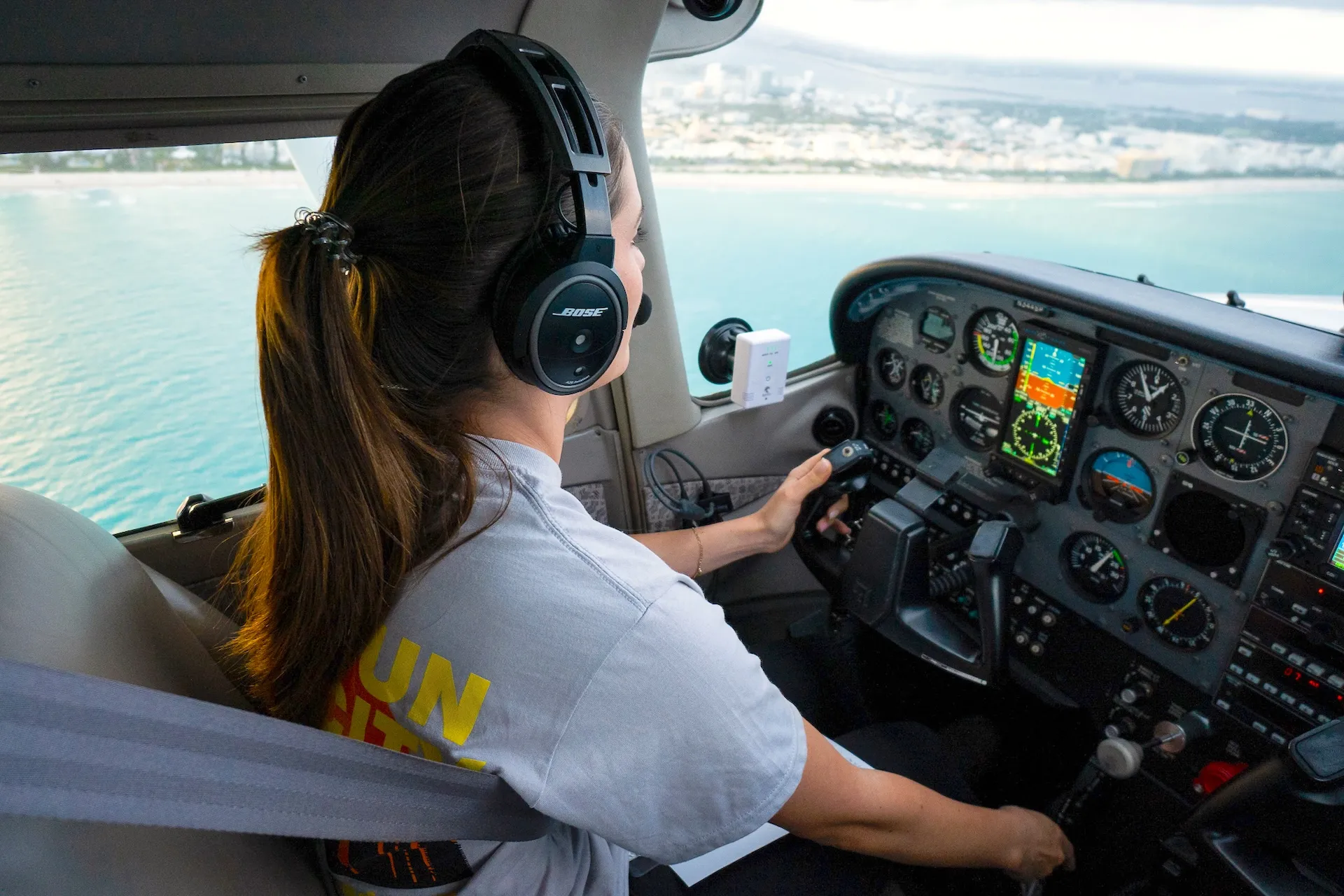
Step into the flight deck as a professional pilot. Discover FAA Part 141 and Part 61 commercial pilot certification pathways, aeronautical requirements, training timelines, and career opportunities at North Perry Airport in Pembroke Pines.
Launch Your Professional Aviation Career in South Florida
Earning an FAA Commercial Pilot Certificate is the decisive turning point that transforms your passion for flight into a compensated professional career. With a commercial certificate in hand, you are legally authorized to act as pilot in command (PIC) of an aircraft for compensation or hire across charter, corporate, airline cadet, cargo, aerial survey, and flight instruction operations.
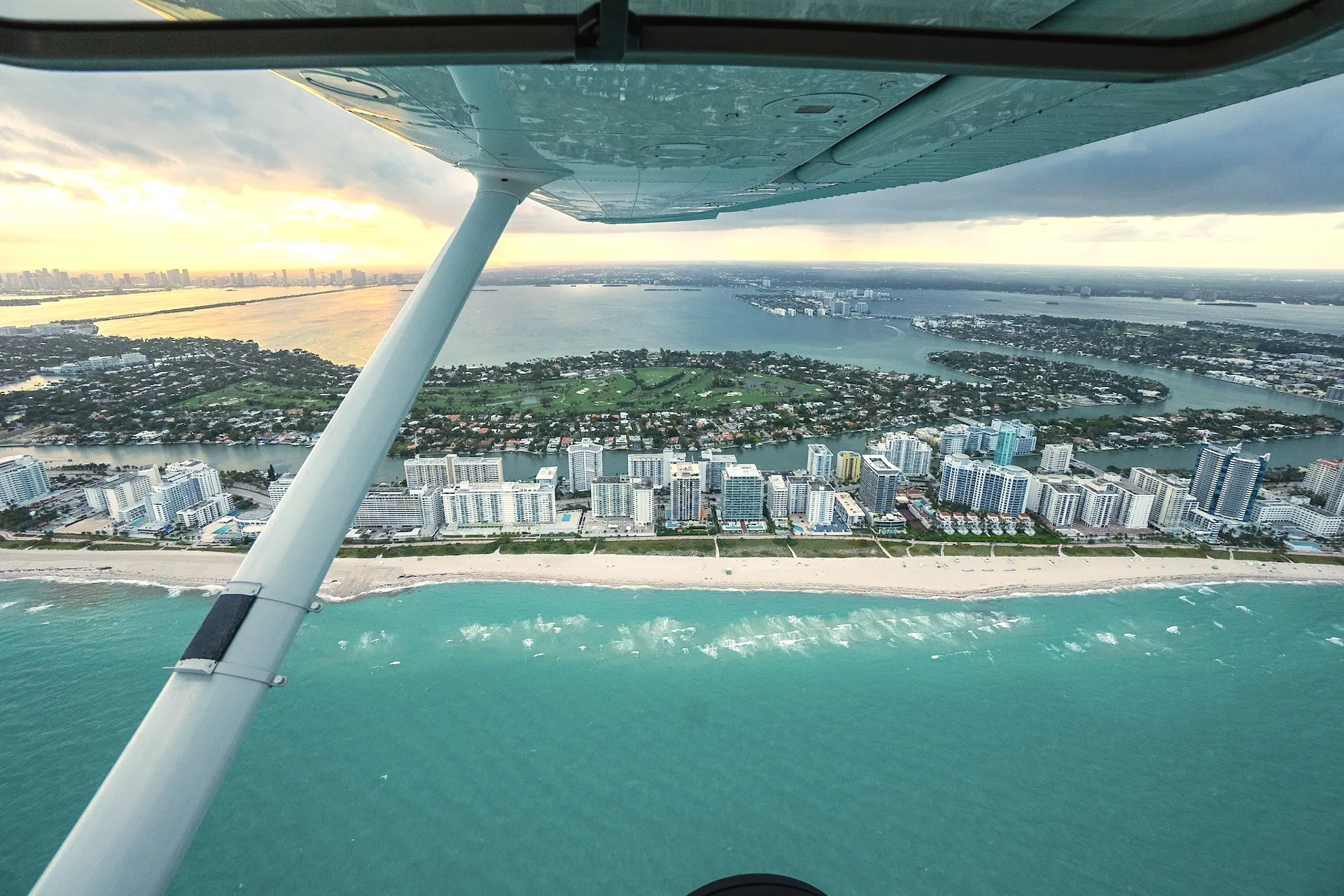
Based at North Perry Airport (KHWO) in Pembroke Pines, Sun City Aviation Academy provides world-class commercial pilot training in South Florida's premier airspace. Operating within the dynamic Miami and Fort Lauderdale airspace corridors with over 300 flyable VFR days each year, our students develop the situational mastery, radio communication confidence, and aeronautical decision-making required by top commercial operators.
Whether you are aiming for a fast-track FAA Part 141 course or need the flexible scheduling of Part 61 training, this guide provides complete transparency on aeronautical requirements, flight hours, costs, maneuvers, and career transition steps.
The Sun City Advantage
Modern Fleet, Experienced Instructors & Proven Pathways
Sun City Aviation Academy is an AOPA Flight Training Experience Award Winner and multi-year Best of Pembroke Pines recipient, offering dual FAA Part 141 and Part 61 certification.
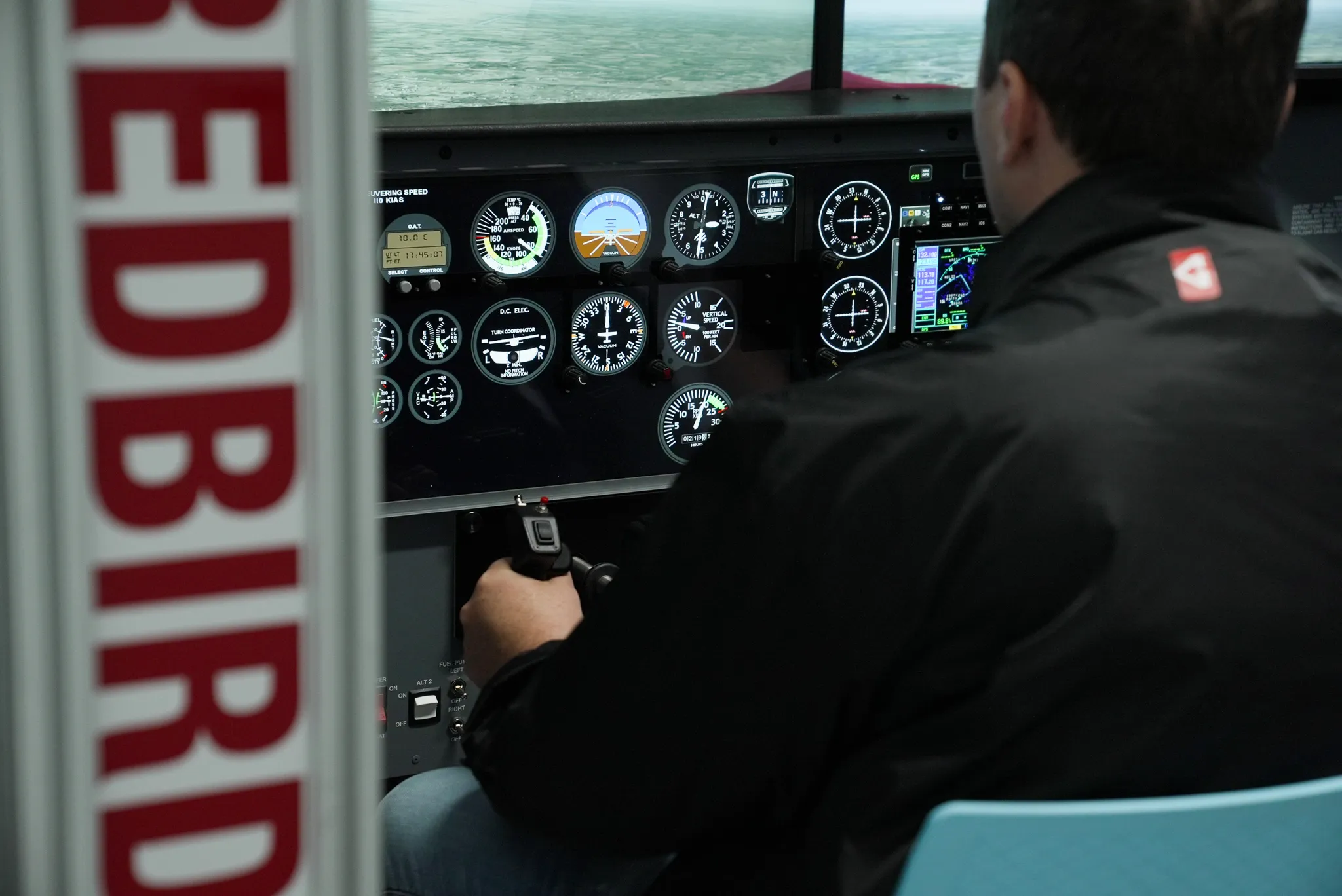
Train in our meticulously maintained fleet of Cessna 172s, twin-engine Beechcraft Duchess 76, and advanced Redbird flight simulators that reinforce complex instrument procedures while lowering training expenses.
Our milestone-driven curriculum ensures steady progression through stage checks, cross-country flights, and checkride preparation with zero scheduling bottlenecks.
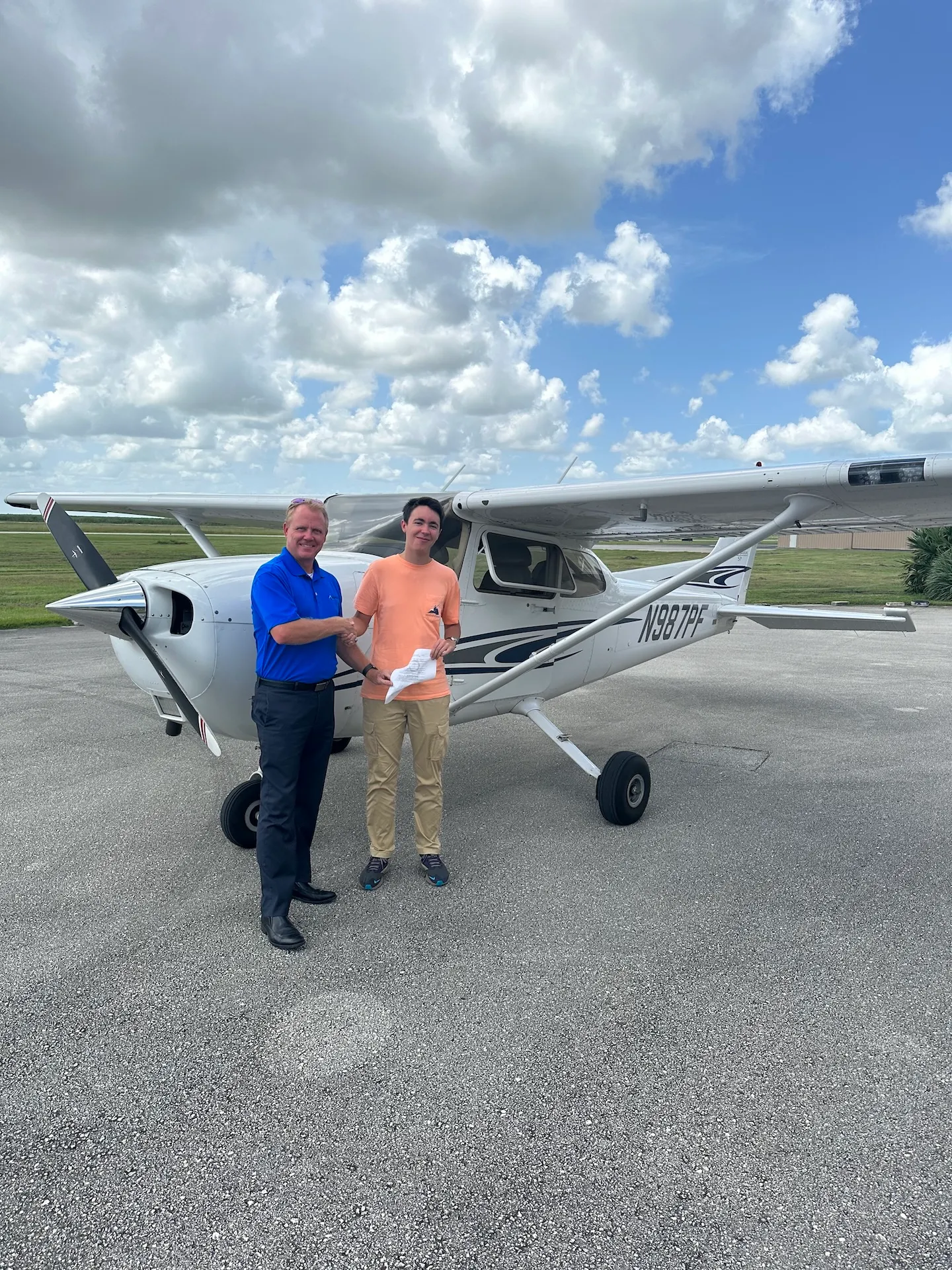
Explore Our Fleet & Team 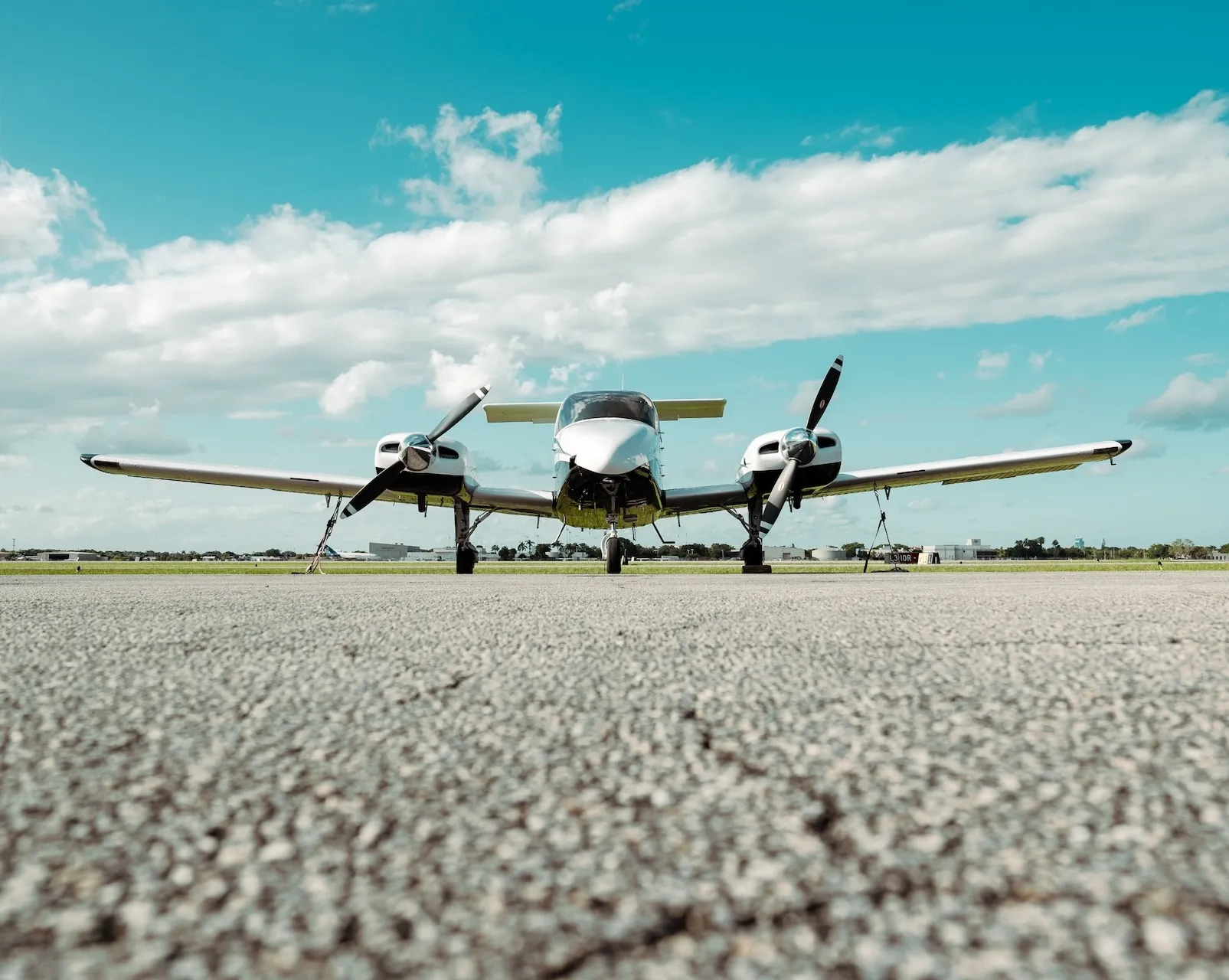
Certification Roadmap
From Private Pilot to Certified Commercial Aviator
Commercial pilot training sharpens your precision airmanship, aircraft systems knowledge, and regulatory compliance. Every flight lesson builds the command authority expected of professional aviators.
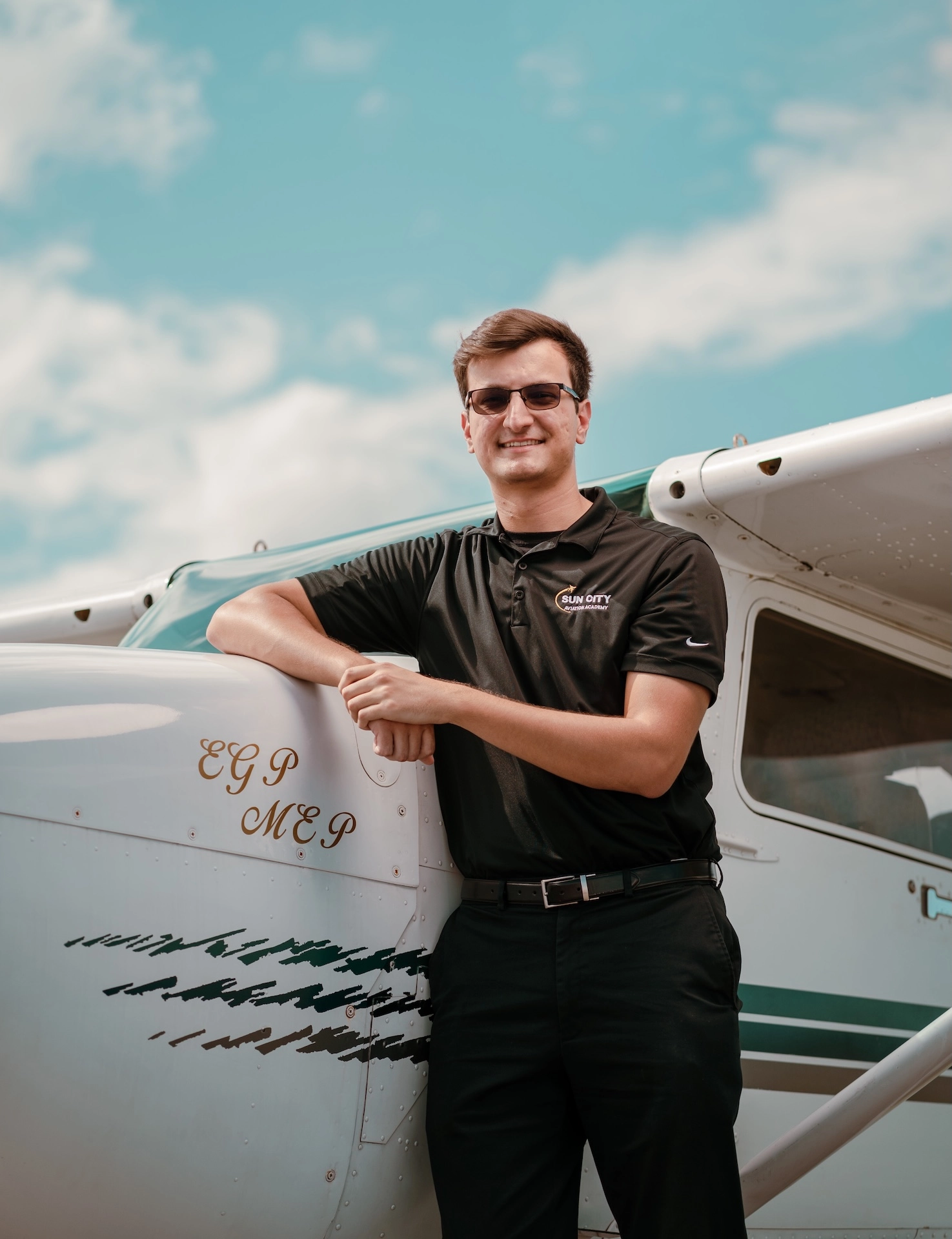
Before beginning commercial certification, candidates must hold at least a Private Pilot Certificate and an FAA Medical Certificate. While holding an Instrument Rating is not strictly mandatory, it is practically essential: commercial pilots without an instrument rating face severe limitations (prohibited from carrying passengers for hire on cross-country flights over 50 nautical miles or at night).
Explore the four essential milestones of our Commercial Pilot License Course:
Core Commercial Training Milestones
- 1. Aeronautical Experience & Flight Hours
Part 141 Fast-Track: Graduate at 190 total flight hours through an FAA-approved structured syllabus with regular stage checks.
Part 61 Flexible Path: Complete 250 total flight hours, including 100 hours of PIC time and 50 hours of cross-country navigation at your own schedule.
- 2. FAA Commercial Airman Knowledge Test
Master advanced aerodynamics, aircraft performance charts, weather systems, high-altitude operations, and commercial flight regulations under 14 CFR 61, 91, 119, and 135.
Thorough ground instruction ensures comprehensive understanding before you take your FAA written exam.
- 3. Advanced Commercial ACS Maneuvers
Sharpen stick-and-rudder mastery through precision maneuvers defined in the FAA Commercial Pilot ACS: lazy eights, chandelles, steep spirals, eights-on-pylons, steep turns (50° bank), and power-off 180° accuracy landings.
Fly demanding dual and solo cross-country flights across Florida, mastering flight planning, fuel management, and weather decision-making.
- 4. Commercial Practical Test (Checkride)
Demonstrate command proficiency to an FAA Designated Pilot Examiner (DPE) through a rigorous oral exam and flight evaluation.
Passing awards you your FAA Commercial Pilot Certificate, officially qualifying you to fly for compensation or hire.
Career Progression & Pilot Earnings: Earning your Commercial Pilot Certificate opens direct pathways into commercial aviation. Many graduates immediately earn their Certified Flight Instructor (CFI) rating to build hours toward the 1,500-hour Airline Transport Pilot (ATP) requirement while earning competitive instructional wages. Regional airline First Officers earn starting compensation from $90,000 to $115,000+, with career Captain salaries exceeding $350,000+ annually.
Compare training pathways in our guide to the Part 61 vs Part 141 commercial timeline and learn about the most cost-effective certification route in our breakdown of commercial single vs multi-engine initial training.
Part 141 vs. Part 61 Commercial Training at Sun City
At Sun City Aviation Academy, full-time students looking to minimize flight hours and accelerate their timeline choose our FAA Part 141 syllabus (190 hours). Working professionals and part-time students enjoy the scheduling flexibility of our Part 61 program (250 hours).
Flexible flight training loans are available through our financing partner, Stratus Financial, covering up to 100% of training costs for qualified applicants.
Career Readiness Assessment
Are You Ready to Become a Commercial Pilot?
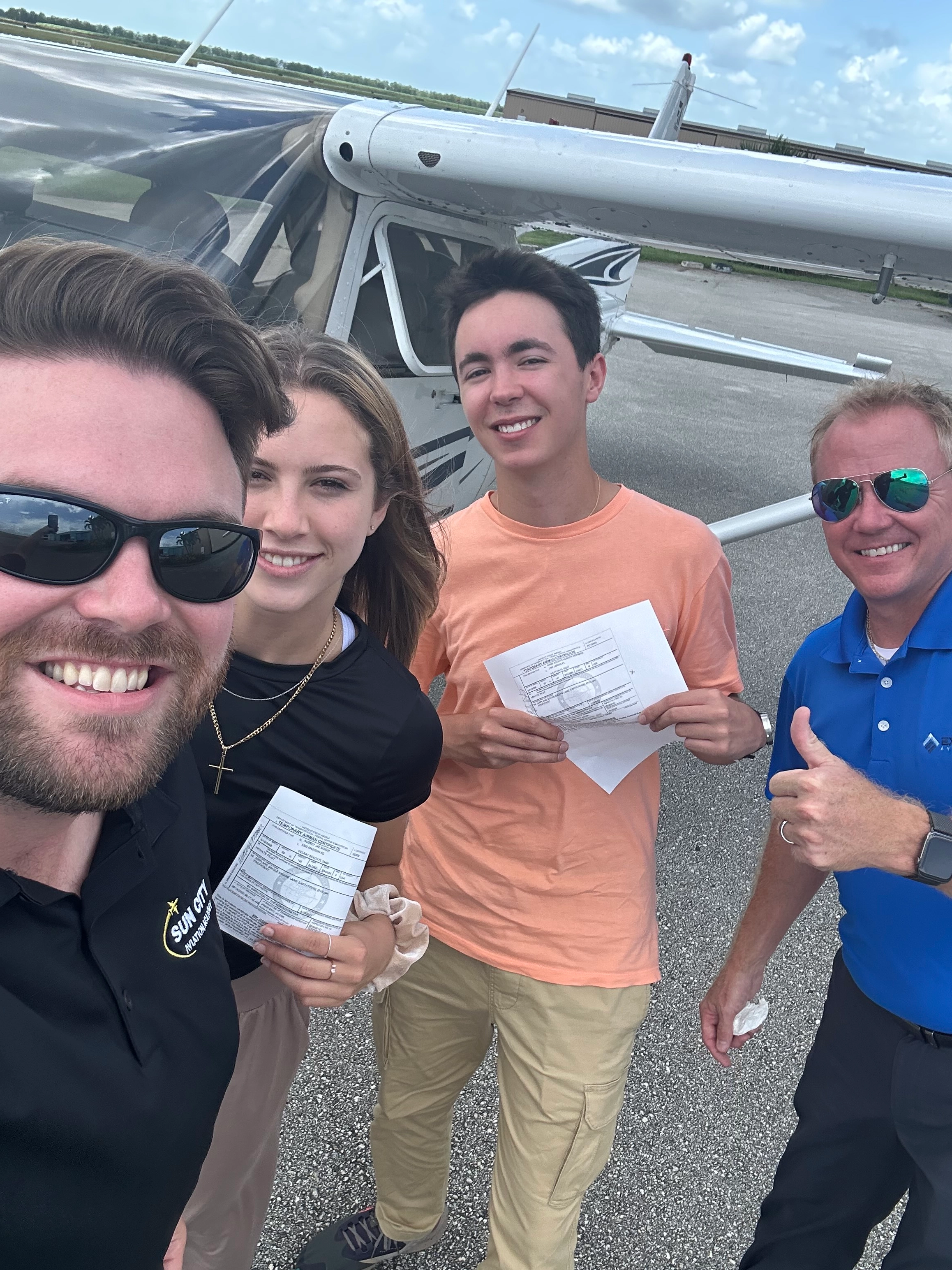
Whether you are transitioning from military service, changing careers, or advancing from private pilot training, our 2-minute assessment evaluates your aviation background and recommends the fastest pathway to commercial certification.
Take the interactive assessment to explore your timeline, flight hour requirements, and financing options.
Commercial Pilot FAQ
Frequently Asked Questions About Commercial Flight Training
Get straight answers about commercial pilot eligibility, costs, flight hours, and career next steps.
Start Your Professional Flying Career
Schedule a Discovery Flight
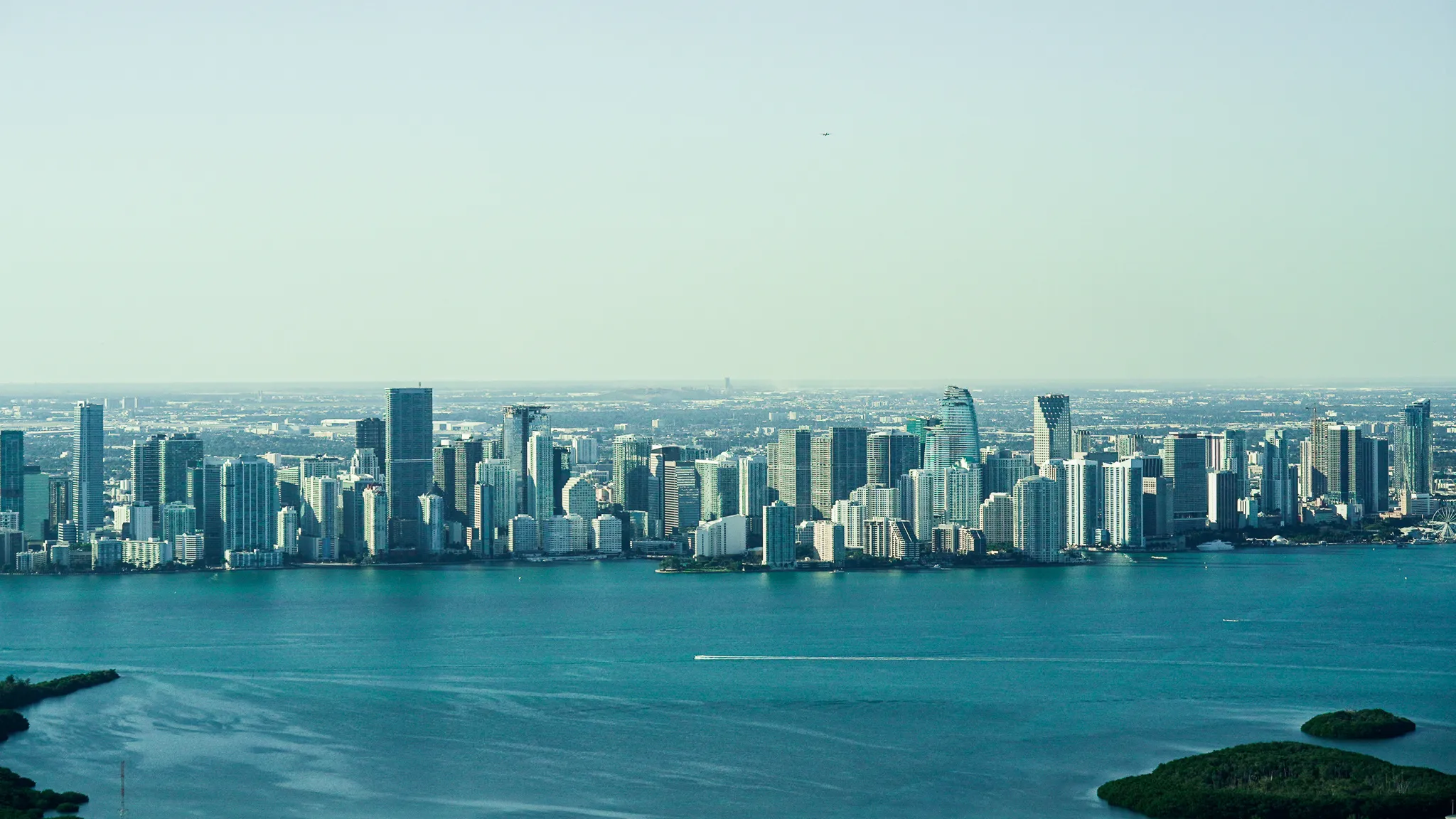
Visit our campus at North Perry Airport (KHWO) in Pembroke Pines. Tour our fleet, meet our instructional team, and take the controls on an introductory flight over South Florida.
 More Right Rudder