Can Teens Learn to Fly in 2026? The Parent's Guide to High School Flight Training

Published by:
Amber P.
Published on:
Updated on:
Read time:
6 min read
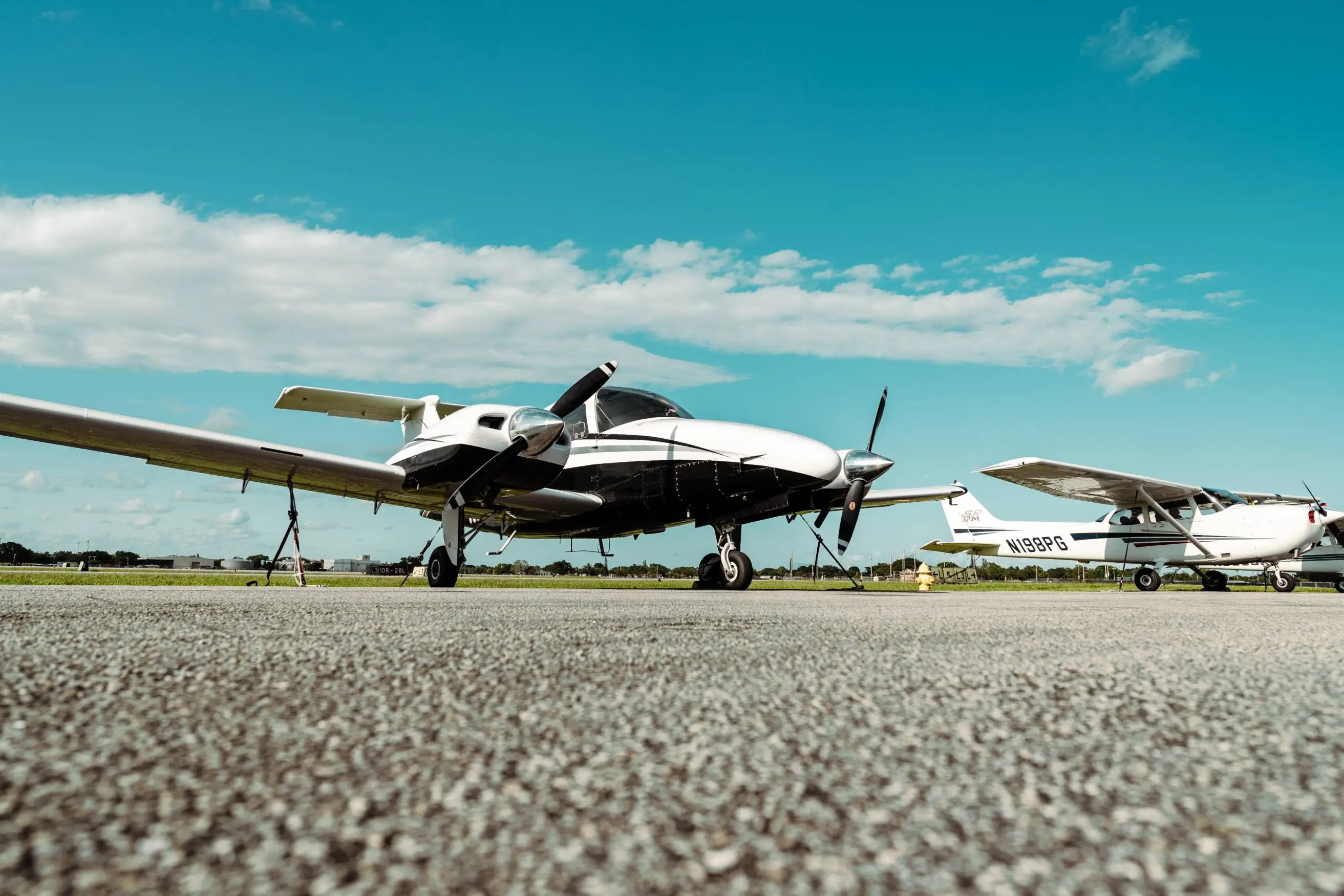
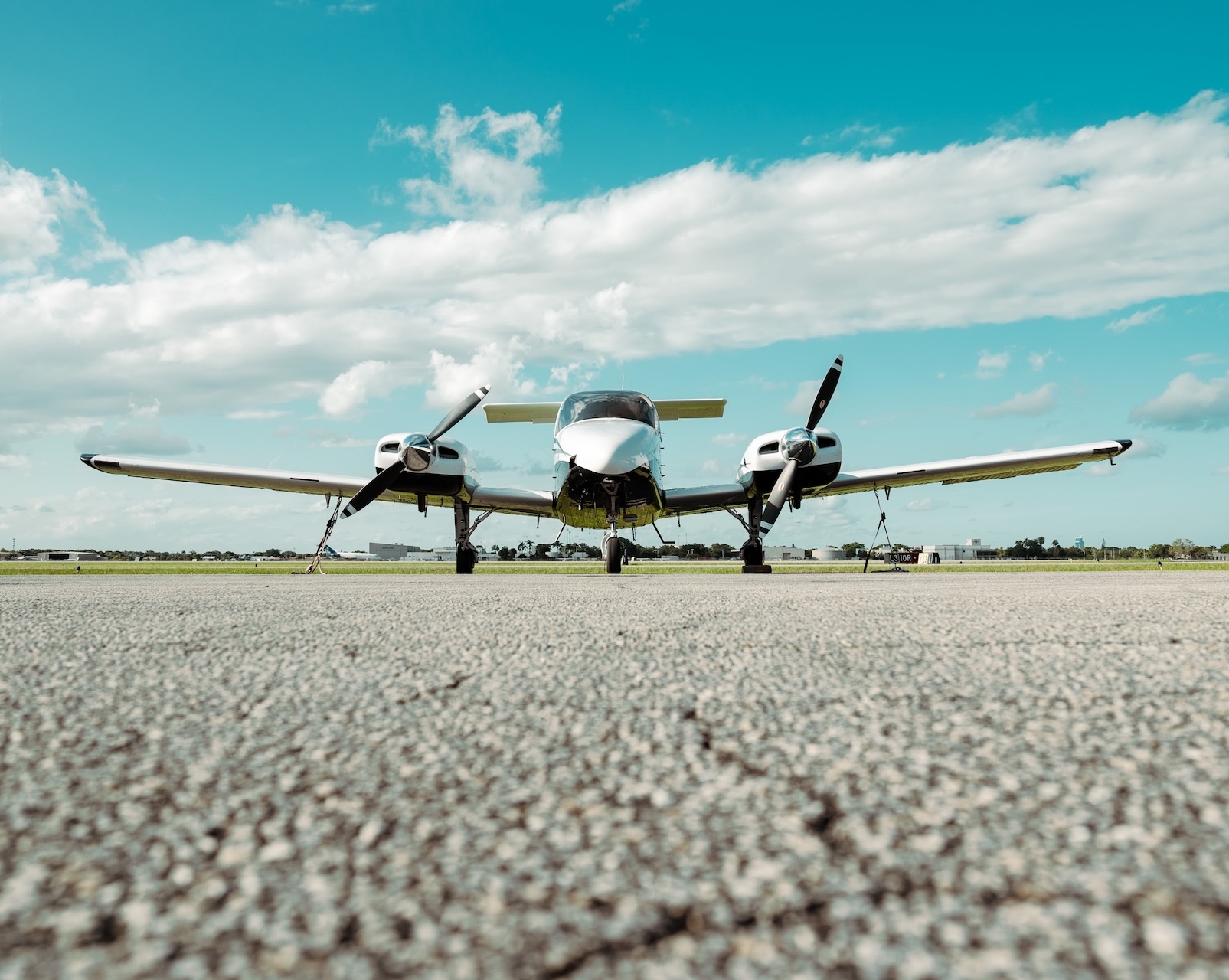
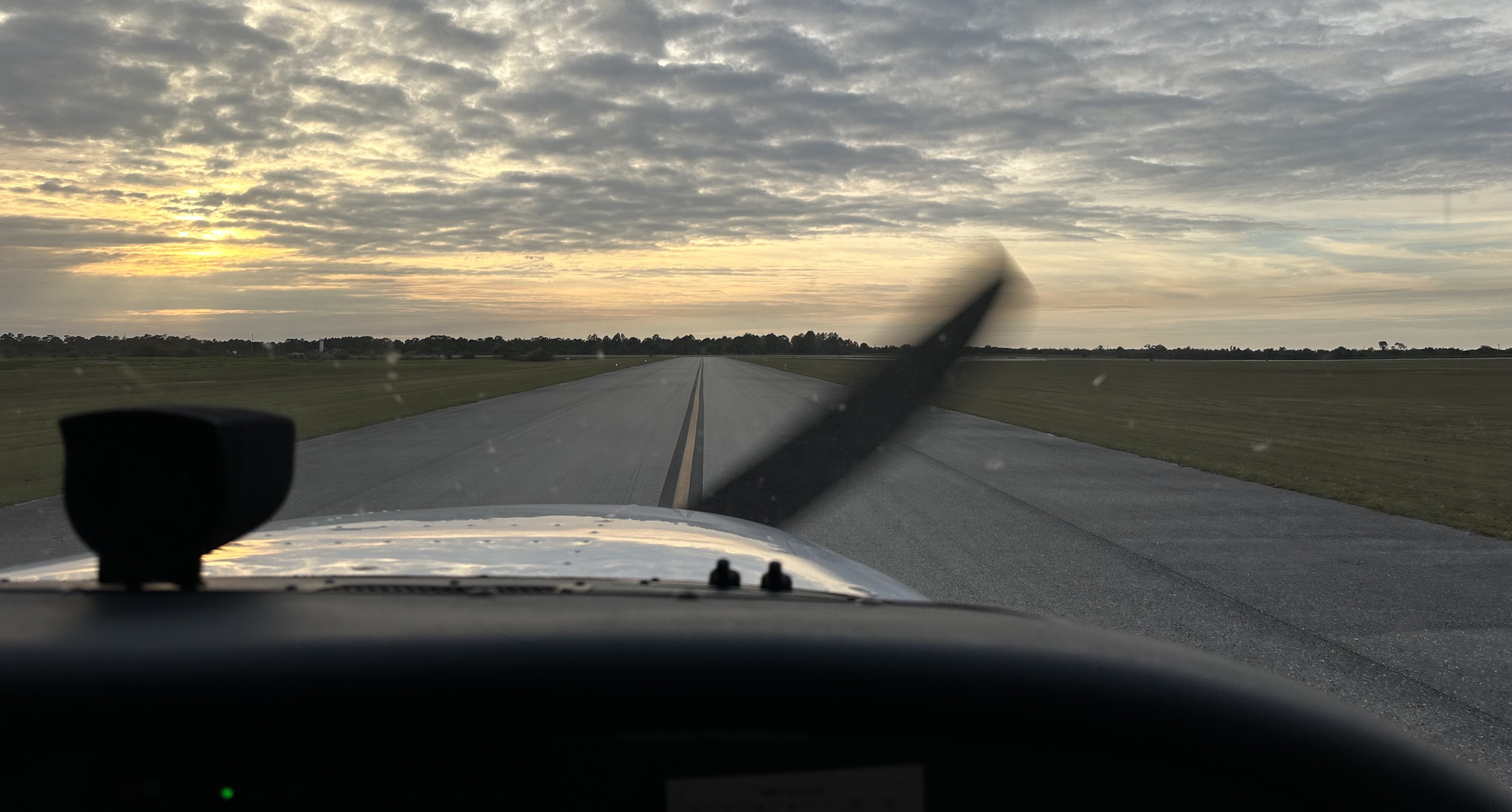
Imagine standing on the ramp at Hollywood North Perry Airport (KHWO), shielding your eyes against the South Florida sun as a training aircraft climbs into the blue. Now, imagine your teenager is at the controls, confidently talking to Air Traffic Control and steering the plane toward the coastline.
It sounds like a dream, but it is a reality for families throughout South Florida. For parents evaluating extracurricular activities or future career paths, a common question arises: can teens learn to fly, and is it a safe, viable path for high schoolers?
The short answer is yes. Teenagers can begin taking flying lessons at any age. Under FAA regulations, a student can solo a powered airplane at age 16 and earn a Private Pilot Certificate at age 17—meaning they can pilot an aircraft before they are legally old enough to rent a car.
This guide outlines the safety protocols, academic benefits, age milestones, and structured pathways that make high school flight training an exceptional launchpad for your teen’s future.
If you are comparing a shorter camp-style first step, start with AeroCamp and the Youth Aviation Programs FAQ before choosing a longer training path.
Safety First: How We Protect Student Pilots in the Air
For any parent, safety is the primary friction point. Learning to fly can feel like a high-risk activity, but the reality of structured flight training is built entirely around redundancy, supervision, and rigorous standards.
Dual Controls and Certified Instructors
Your teen is never alone in the cockpit during their initial training. They will fly in modern, dual-controlled training aircraft like the Cessna 172 Skyhawk. This means their Certified Flight Instructor (CFI) has an identical set of controls (yoke, rudder pedals, throttle, and brakes) and can take command of the aircraft instantly if needed.
Strict FAA Maintenance Standards
At Sun City Aviation Academy, we operate under FAA Part 141 standards, which require rigorous, scheduled maintenance inspections every 50 and 100 flight hours. Every aircraft is inspected by certified mechanics, ensuring that the fleet remains in peak operating condition.
The Myth of Solo Risk
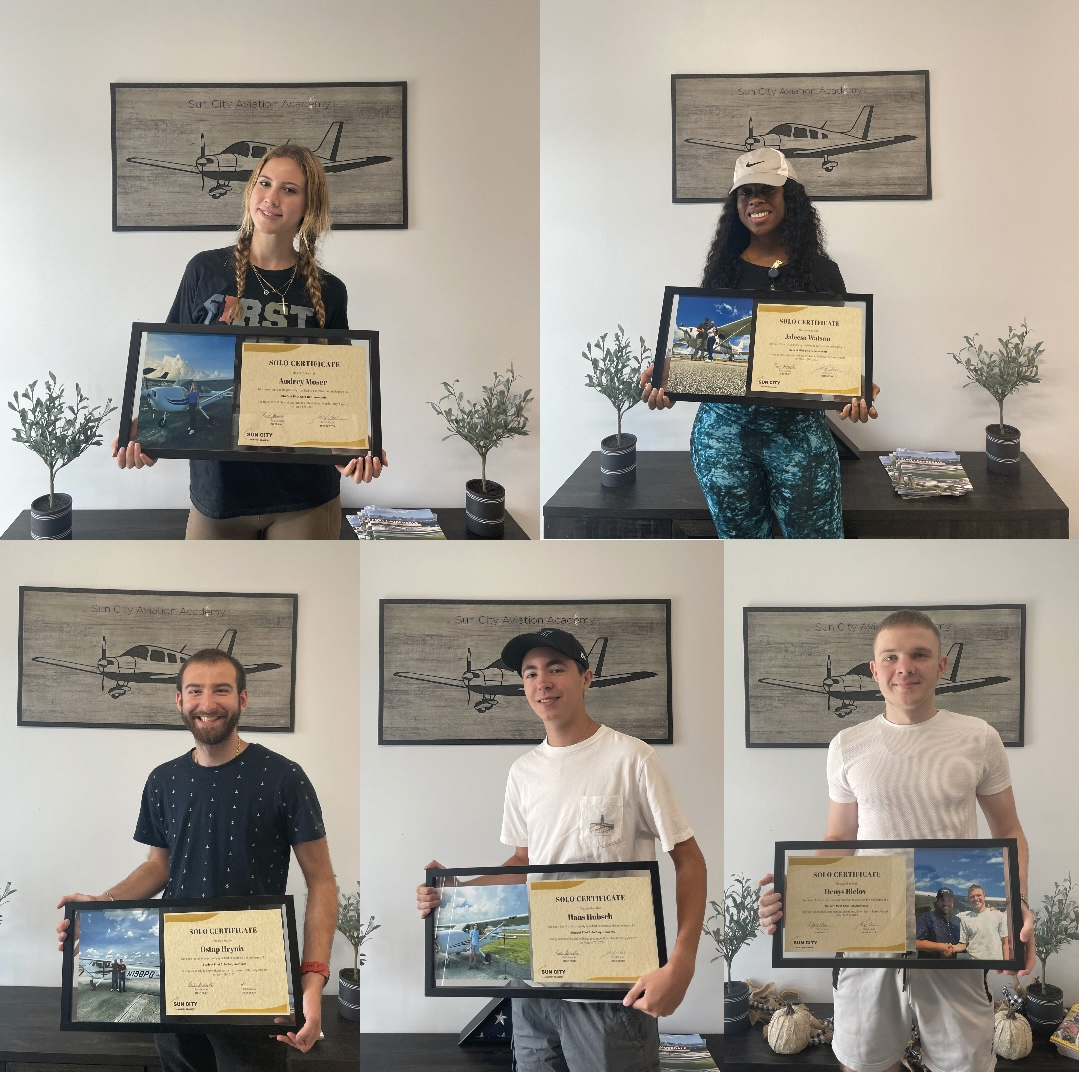
Before a student is allowed to fly solo (alone in the aircraft), they must demonstrate absolute proficiency to their instructor. They must pass a written test on regulations and aircraft systems, and receive a specific logbook endorsement. The instructor will only sign this endorsement when they are 100% confident in the student’s ability to handle landings, crosswinds, and emergency procedures independently.

The Academic and Developmental Benefits of Flight Training
Flight training is not just a hobby; it is a practical application of STEM (Science, Technology, Engineering, and Math) principles. Sitting in a cockpit turns dry textbook equations into real-world tools.
- Applied Mathematics: Students calculate weight and balance, compute fuel burn rates, and determine crosswind components using mathematical formulas.
- Physics and Meteorology: Aspiring pilots study aerodynamics (the physics of lift, drag, thrust, and gravity) and learn to read complex weather telemetry to evaluate flight safety.
- Maturity and Leadership: Taking command of an aircraft requires high levels of self-discipline, situational awareness, and decision-making. Students learn the concepts of Aeronautical Decision-Making (ADM) and threat management, skills that carry over into their schoolwork and personal lives.
For high school students planning their next academic steps, having a pilot certificate on a college application shows admissions officers a level of dedication and responsibility that few other activities can match.
FAA Milestones: Understanding the Youth Flight Training Timeline
The path to the cockpit is structured around specific age milestones set by the FAA. Parents can coordinate flight training around their teen’s academic schedule using the following timeline:
| FAA Milestone / Goal | Minimum Age | Requirements & Covered Material | How We Support Your Teen |
|---|---|---|---|
| Beginning Lessons | No minimum age | Introduction to aerodynamics, basic flight controls, and preflight safety checks. | Discovery Flight and structured VFR flying lessons at KHWO. |
| Saturday Ground School | Age 14–17 | 1-year biweekly curriculum covering weather, navigation, regulations, and FAA written test prep. | Experience Aviation Ground Training program. |
| Solo Flight | Age 16 | Hold an FAA Student Pilot Certificate, pass a solo test, and receive instructor endorsements. | Intensive flight prep in the Cessna 172 with CFIs. |
| Private Pilot Certificate | Age 17 | Log a minimum of 40 hours (Part 61) or 35 hours (Part 141) of flight time, pass a checkride. | Private Pilot Training syllabus and FAA practical test prep. |
Note: Actual training duration and flight hours vary based on individual student schedule consistency, weather conditions, and proficiency.
Career Pathways: Earning a Living in the Skies
If your teen aspires to fly professionally, starting early is a massive career advantage. The current aviation industry faces a long-term demand for commercial pilots, and entering the training pipeline during high school can get your teen hired years ahead of their peers.
After earning a Private Pilot Certificate, a student can earn their Instrument Rating and Commercial Pilot Certificate. By age 18, they can earn their Certified Flight Instructor (CFI) credential.
By working as a flight instructor, they can build the FAA-required 1,500 hours to qualify for their Airline Transport Pilot (ATP) certificate, allowing them to join a regional airline and earn a professional salary by their early twenties.
Financing Your Teen’s Aviation Future
We understand that flight training is a significant financial investment for families. To help make your child’s aviation dreams attainable, we partner with Stratus Financial to provide flexible, competitive flight training financing options. These programs can cover the costs of ground school, flight hours, and materials, allowing your teen to maintain training consistency and graduate faster.
Frequently Asked Questions About Youth Flight Training
-
Does my teen need a driver’s license to learn to fly?
No. The FAA does not require a driver’s license to fly an aircraft. To solo at age 16, they will need an FAA Student Pilot Certificate, which requires proving identity, meeting English language proficiency, and obtaining a basic aviation medical certificate, proving they do not need a driver’s license to fly an aircraft. -
How does flight training fit around high school schedules?
We design our youth programs with flexibility in mind. Flight lessons can be scheduled on weekends or after school. Additionally, our Experience Aviation ground school meets biweekly on Saturdays from 10:00 AM to 12:00 PM, allowing students to study without conflicting with weekday classes. -
What is the difference between AeroCamp and Experience Aviation?
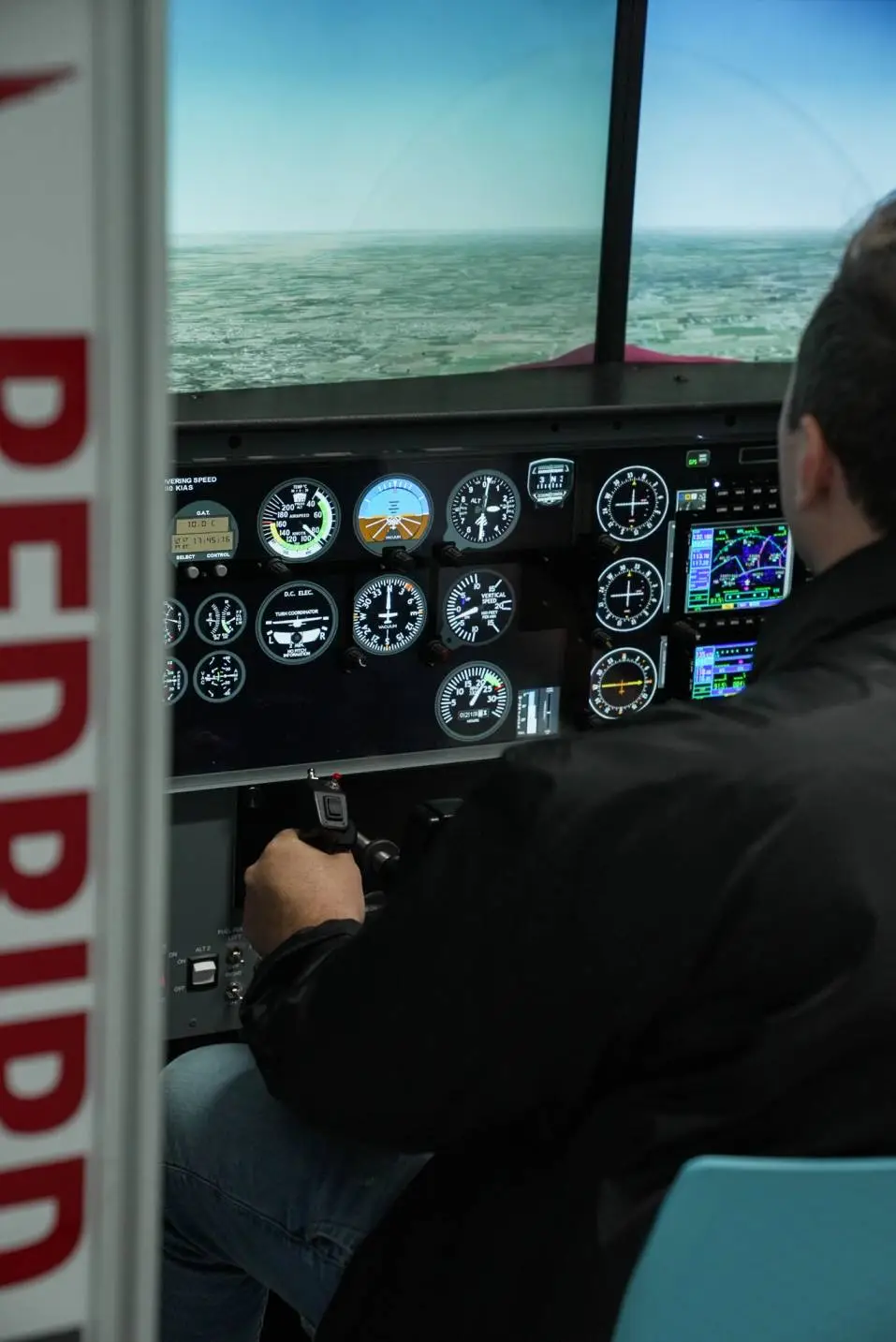
AeroCamp is a high-energy 3-day summer camp designed for teens to explore aviation, fly in an aircraft, and use flight simulators. Experience Aviation is a comprehensive, year-round ground school program designed for teens committed to studying for and passing the FAA Private Pilot Written Exam. -
Is flight training considered a college alternative?
For many career-track students, flight school is a faster, more cost-effective college alternative to a traditional 4-year collegiate aviation degree. It allows students to focus solely on flight ratings, enter the workforce sooner, and build hours toward their ATP certificate without the debt of a university degree.
Start Your Teen’s Aviation Journey Today
Deciding to support your teenager’s dream of flying is a major step. It builds character, teaches responsibility, and opens doors to an exciting, global career.
At Sun City Aviation Academy, we are committed to providing a safe, structured, and family-focused learning environment at Hollywood North Perry Airport. The best way to determine if flight training is a good fit for your teen is to experience it firsthand.
If your teen wants a youth-specific first step, start with the Youth Aviation Programs FAQ. It will help your family compare the short camp path, the longer ground-training path, and the right next conversation before you choose.


 More Right Rudder