
Does Flight School Count as College? What to Know in 2026
Published by:
Amber P.
Published on:
Updated on:
Read time:
6 min read
When you sit at a desk in a high school classroom or look at the mounting bills of a traditional university, it is natural to ask whether there is a faster, more practical way to start your career. If your dream is to fly, you are likely looking at pilot training and wondering: does flight school count as college? You want to know how flight school fits into the higher education landscape, whether you can get college credits for your FAA licenses, and whether you actually need a degree to fly for a major airline in 2026.
At Sun City Aviation Academy, we help students navigate these exact educational decisions. Standalone flight schools are classified as professional vocational training institutions rather than academic degree-granting colleges. However, understanding how to pair vocational flight training with academic credentials can save you years of study and tens of thousands of dollars.
The Difference Between Flight School and a College Degree
The core distinction between flight school and college lies in the credentials they award. A traditional university awards academic degrees (such as a Bachelor of Science in Aviation Science or Aeronautical Management). A standalone flight school awards FAA pilot certificates and ratings.
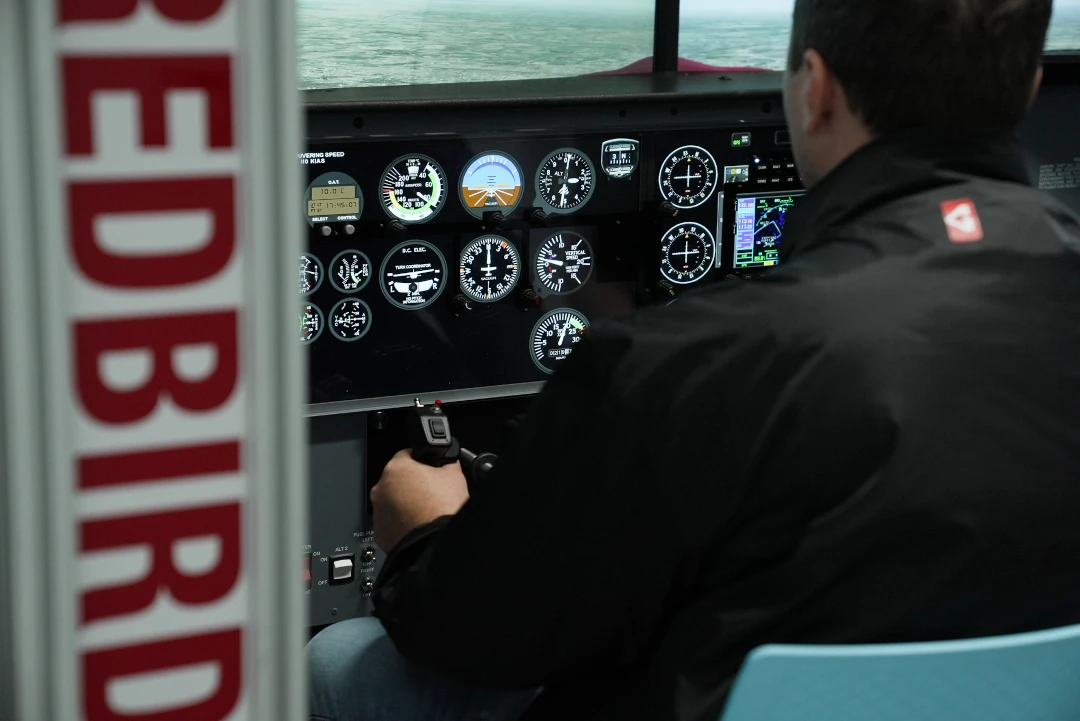
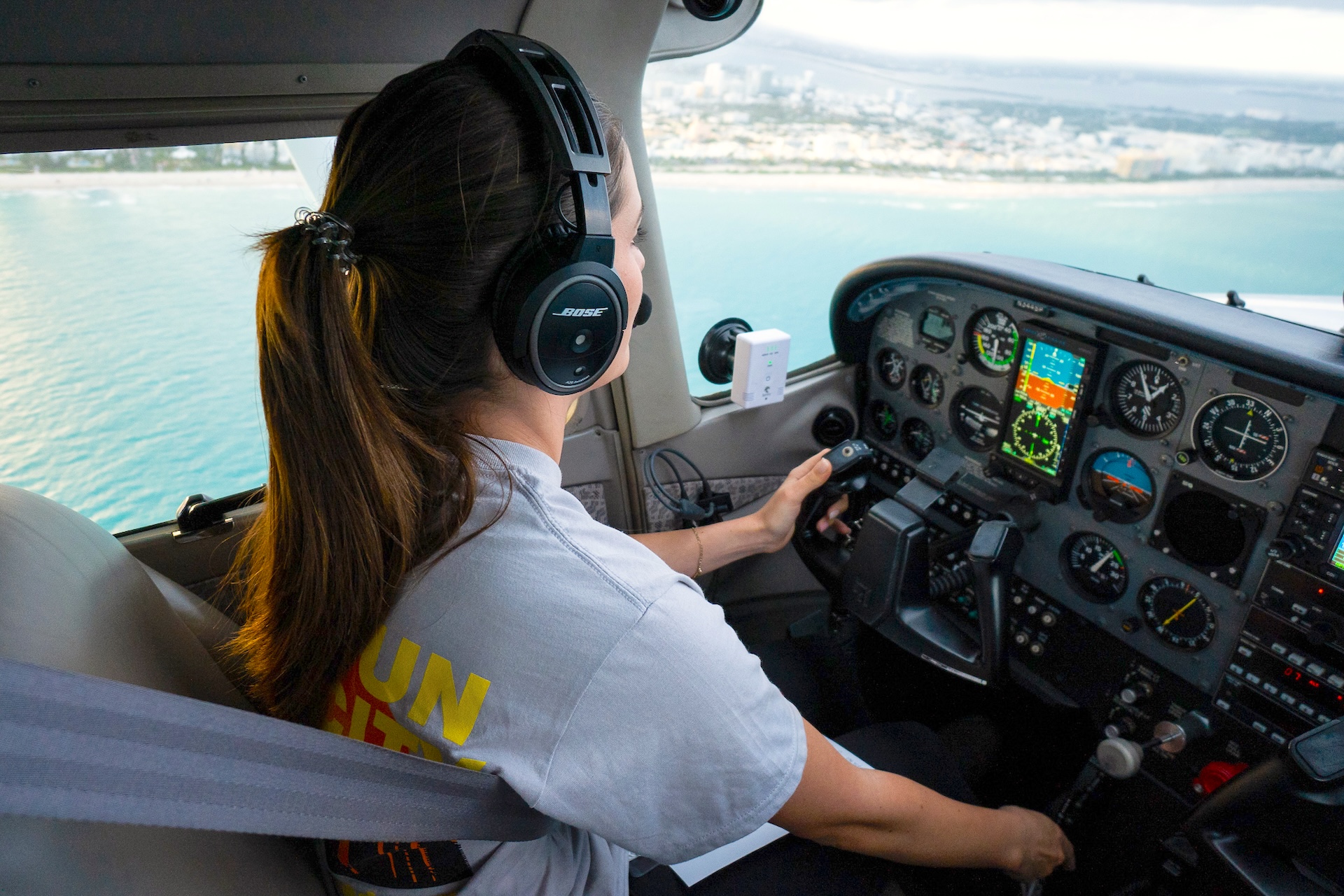
When you enroll in our private pilot training course, your study time is focused 100% on aviation. You do not spend time or money on general education courses like chemistry, history, or literature. Instead, your classroom is the cockpit, and your homework is flight planning, weather analysis, and aerodynamics.
This vocational focus creates a massive difference in timelines:
- Standalone Flight School: You can progress from zero hours to a Commercial Pilot Certificate and Certified Flight Instructor (CFI) rating in 12 to 18 months of full-time training.
- Collegiate Aviation Program: Earning the same flight ratings takes four years because they are spread out across a traditional semester structure alongside academic degree requirements.
For many students, entering the aviation workforce years earlier as a flight instructor is the key differentiator that makes standalone training a powerful alternative.
How to Get College Credit for Your FAA Pilot Licenses
Just because standalone flight schools do not award degrees directly does not mean your training has zero academic value. Earning your FAA pilot certificates represents a significant academic and practical achievement, and many universities recognize this.
If you decide that you want to earn a degree, you can transfer your completed FAA certificates to partner online universities (such as Liberty University or Utah Valley University) for direct academic credit. This process, often called license-to-credit matching, allows you to earn college credits for the training you completed in a vocational environment.
For example, a typical credit-matching structure might award:
- Private Pilot Certificate: 6 to 9 college credits.
- Instrument Rating: 6 to 8 college credits.
- Commercial Pilot Certificate: 9 to 12 college credits.
- CFI/CFII Certificates: 6 to 10 college credits.
By completing your flight training at our academy and then transferring those licenses, you can bypass a significant portion of a bachelor’s degree. This allows you to study online, at your own pace, while already working and earning money as a flight instructor.
To learn more about the structure of these courses, you can review our flight training pilot programs to find the course that matches your objectives.
Do Major Airlines Require a College Degree in 2026?
One of the biggest sources of friction for prospective pilots is the fear that skipping a traditional four-year college will block them from major airline jobs. For decades, major carriers (like Delta, United, and American Airlines) listed a bachelor’s degree as a mandatory requirement for hiring.
In 2026, the hiring landscape is fundamentally different. To address the pilot shortage, most major airlines have removed the college degree requirement for first officer applicants. Recruiters now prioritize pilot proficiency, flight hours, leadership experience, and multi-engine turbine time over an academic diploma.
While having a degree remains competitive and can help you advance into management or safety director roles later in your career, you do not need to wait four years to start flying. You can focus on building your flight hours first, get hired by a regional carrier, and complete your degree online later if you choose.
If your goal is to build career-track hours, you can explore our commercial pilot training and multi-engine programs, which are structured to get you airline-ready.

Managing Your Education Costs and Financing
Traditional colleges charge for housing, meal plans, student activities, and general tuition on top of flight training costs, often leading to massive debt. Standalone flight training allows you to pay specifically for what you use: aircraft rental and instructor time.
To make vocational flight training accessible, we partner with Stratus Financial to provide flexible flight training financing packages. Securing financing helps you maintain a consistent training schedule of three to four flights per week, which is crucial for retaining muscle memory and finishing your license on timeline.
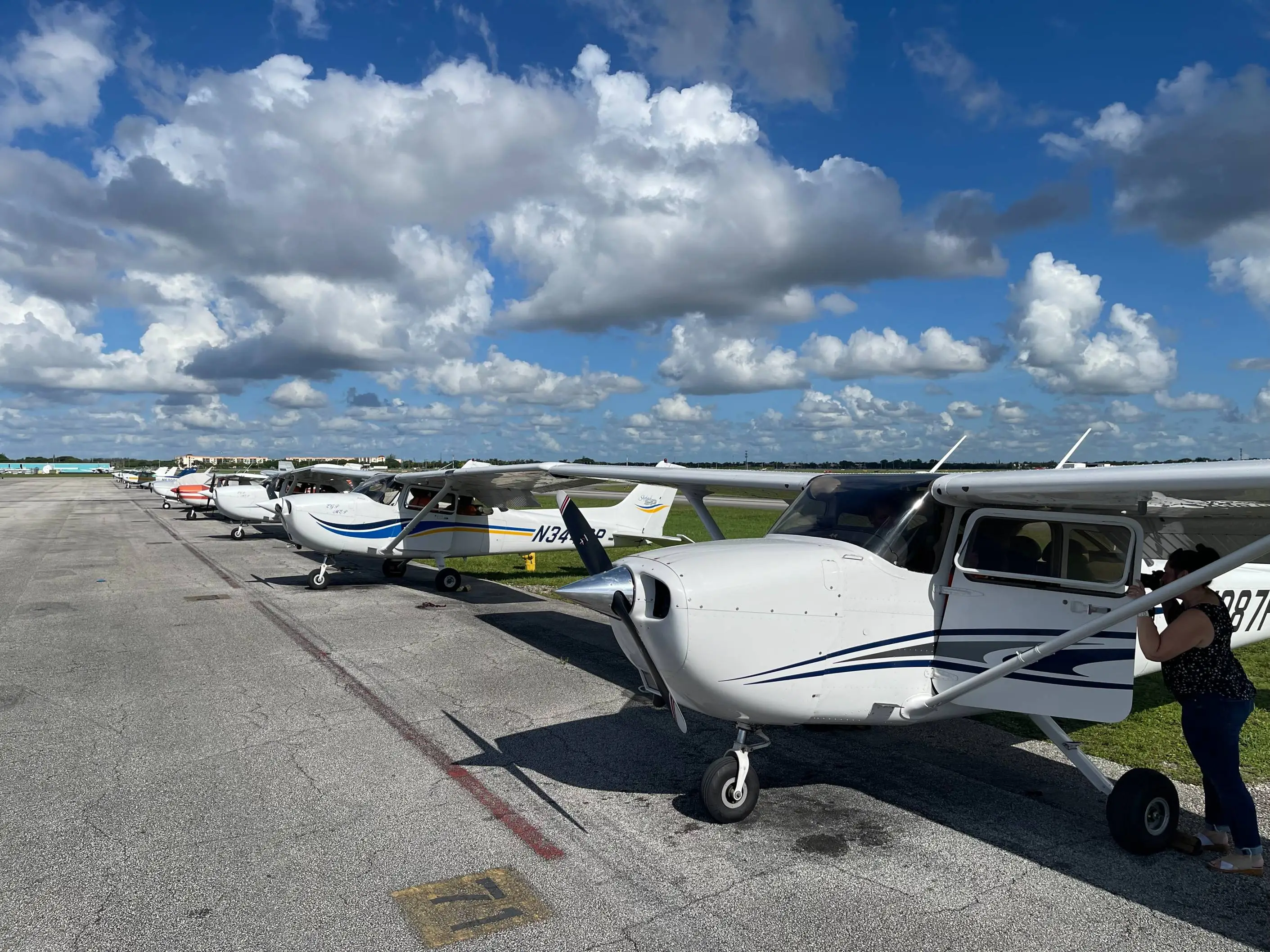
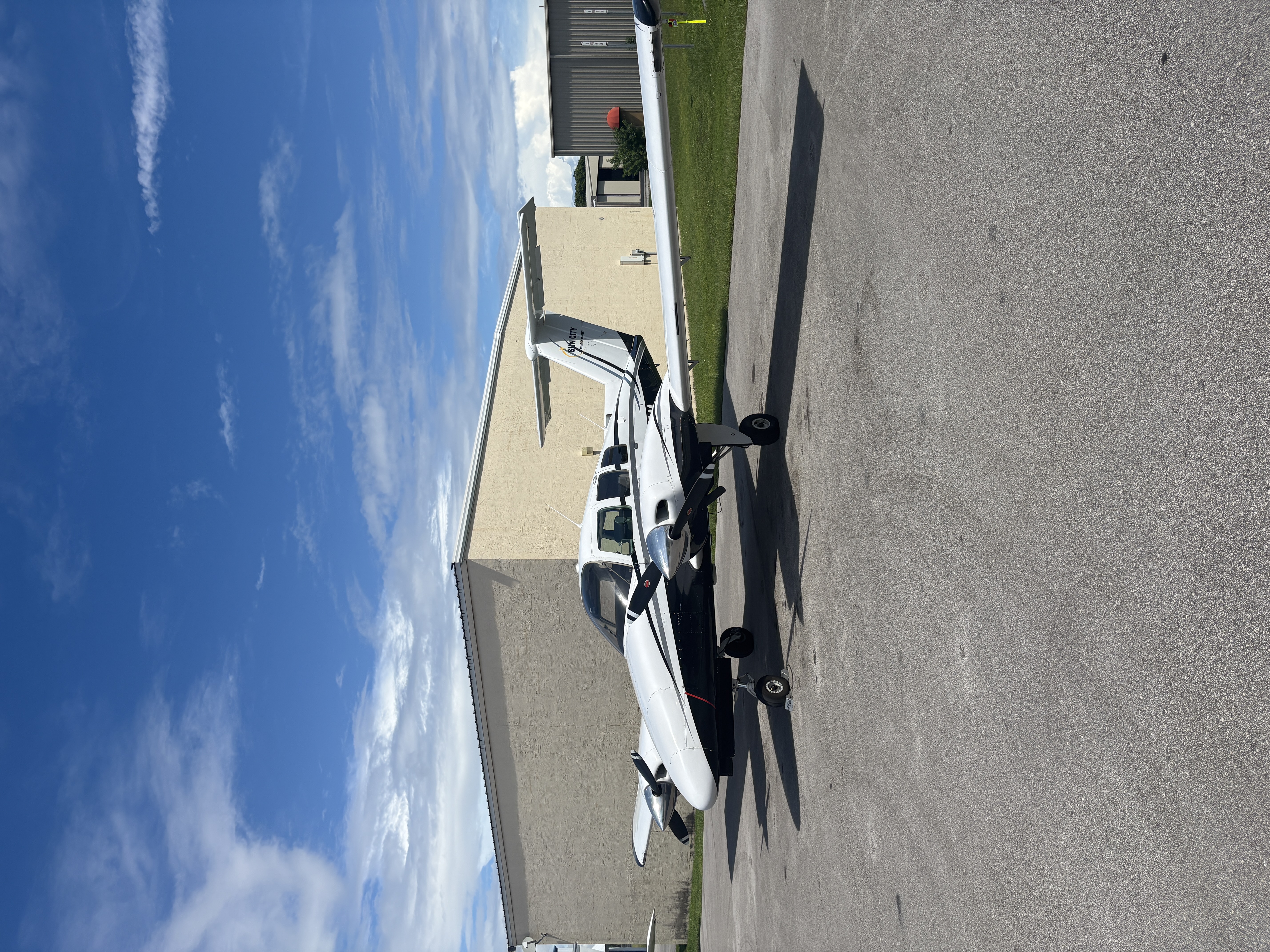
We also encourage prospective students to schedule a discovery flight to experience the cockpit environment before committing to a full program. It is a low-cost, hands-on introduction that helps you decide whether pilot training matches your lifestyle. You can also explore our fleet to see the Cessna aircraft you will fly during your lessons.
Choose the Training Path That Fits Your Career Goals
Whether you decide to pursue a standalone vocational path or pair your FAA certificates with an online degree, the right decision depends on your timeline, budget, and learning style. You do not need to pause your career for four years to reach the airlines.
Contact our admissions team to learn how to structure your training path and start your journey toward the skies.
 More Right Rudder