Getting Back Into the Clouds: Your 2026 Instrument Proficiency Check (IPC) Prep Guide

Published by:
Amber P.
Published on:
Updated on:
Read time:
6 min read
There is a unique freedom that comes with holding an instrument rating. Filing an IFR flight plan, climbing through a thick overcast, and breaking out into the brilliant, unrestricted sunshine above the clouds is one of the most rewarding experiences in general aviation.
However, life happens. Busy schedules, family commitments, or maintenance delays can easily keep you out of the cockpit. Before you know it, months have slipped by, and your instrument currency has lapsed.
If you find yourself looking at the clouds wishing you could legally file and go, you are likely asking: what is an IPC in aviation, and how do you prepare for one?
This guide breaks down the Instrument Proficiency Check (IPC) in plain English. You will learn the exact timeline of IFR currency, what tasks you must perform to pass, and how you can save hundreds of dollars by utilizing flight simulators during your preparation.
The IFR Currency Timeline: When Do You Need an IPC?
Under FAA regulation 14 CFR 61.57(c), you cannot act as Pilot-in-Command (PIC) under IFR or in weather conditions less than VFR minimums unless you meet specific currency requirements. The FAA structures this currency timeline into three distinct phases:
1. The Active Window (Months 1 to 6)
To maintain your legal currency, you must have logged the following tasks within the preceding 6 calendar months:
- 6 instrument approaches
- Holding procedures
- Intercepting and tracking navigational courses
This is commonly known among pilots as the 6-6-HIT rule. You can log these tasks in an aircraft (in actual IMC or using foggles with a safety pilot) or in an approved flight simulator.
2. The Grace Period (Months 6 to 12)
If you do not complete those tasks within those first 6 months, your currency lapses. You enter a 6-month grace period. During this time:
- You cannot file an IFR flight plan or fly in IMC as PIC.
- You can still regain currency by flying with a safety pilot in VFR conditions while wearing view-limiting devices (foggles or a hood) to log your 6-6-HIT requirements.
3. The IPC Requirement (Month 12 and Beyond)
If a full year (12 calendar months) passes and you still have not logged your 6-6-HIT requirements, you can no longer regain currency with a safety pilot. To legally fly IFR again, you must successfully complete an Instrument Proficiency Check (IPC).
What is an IPC in Aviation?
An Instrument Proficiency Check (IPC) is an in-depth review of your instrument flying knowledge and skills. It is conducted by a Certified Flight Instructor Instrument (CFII), an FAA Designated Pilot Examiner (DPE), or an FAA inspector.
It is designed to ensure that you are not just legally current, but truly proficient and safe to operate in complex weather and high-density ATC environments.
The Good News: You Cannot “Fail” an IPC
One of the biggest sources of friction for pilots facing an IPC is checkride anxiety. It is important to know that an IPC is not a checkride.
There is no paperwork is sent to the FAA if you have a rough flight, and there is no FAA examiner grading you on a pass/fail scale. If you do not perform to the standards of the Airman Certification Standards (ACS) during the check:
- The flight is simply logged as dual instruction.
- Your instructor will work with you to practice the maneuvers until you are comfortable and proficient.
- Your pilot certificate is never suspended or revoked.
An IPC is a training tool designed to build you up, not test you out.
What Tasks Are Required During an IPC?
The FAA defines the exact tasks required for an IPC in the Instrument Rating Airman Certification Standards (ACS). Unlike a standard instrument training lesson, an IPC must cover specific areas of operation:
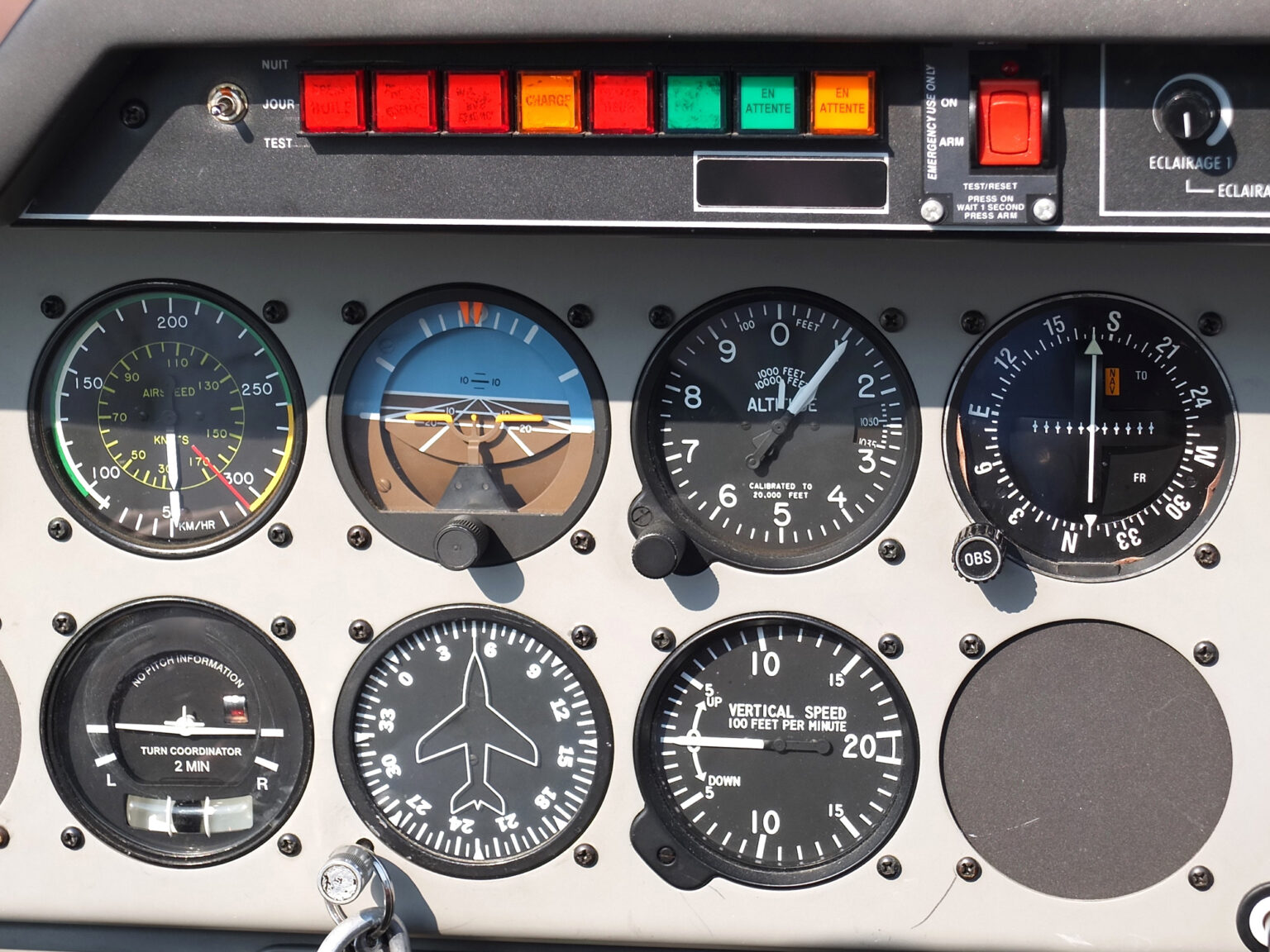
- Preflight Assessment: Weather briefings, flight planning, IFR clearances, and checking instrument cockpit equipment.
- Holding Procedures: Entering and maintaining standard and non-standard holding patterns.
- Recovery from Unusual Attitudes: Recovering safely from nose-high and nose-low attitudes solely by reference to instruments.
- Instrument Approaches: You must perform at least three different types of approaches:
- One precision approach (e.g., ILS).
- One non-precision approach (e.g., LPV, LNAV, or VOR).
- One partial-panel approach (simulating the failure of your primary attitude indicator or heading indicator).
- Missed Approach Procedures: Executing a missed approach from a stabilized descent and transitioning to the holding or en-route phase.
- Post-Flight Procedures: Checking systems and logging the flight.
How Flight Simulators Cut the Cost of Your IPC
Renting a cross-country training airplane and paying for a CFII can quickly add up, especially if you need several hours to shake off the rust. Fortunately, the FAA allows pilots to complete a significant portion of the IPC in an approved simulator.
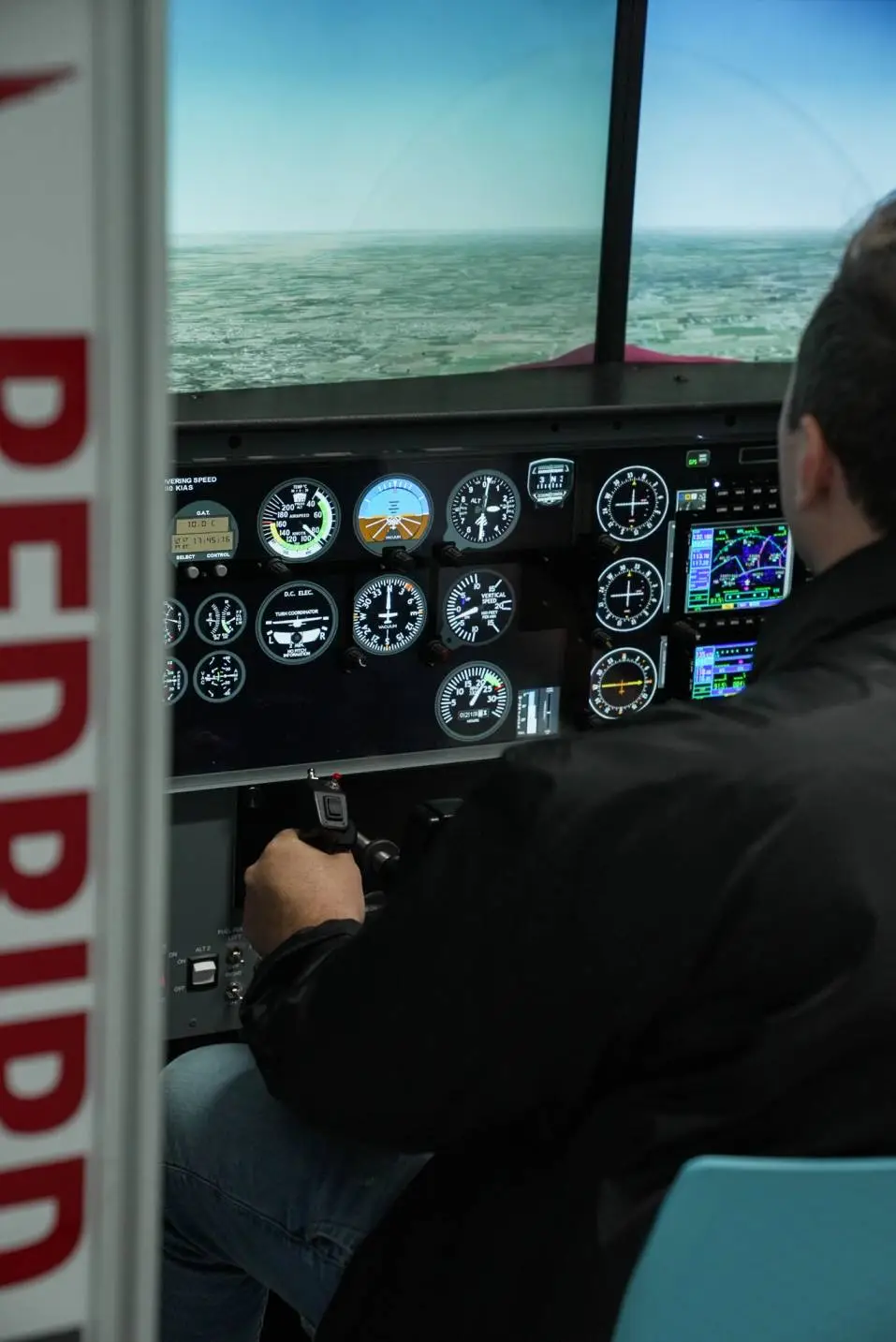
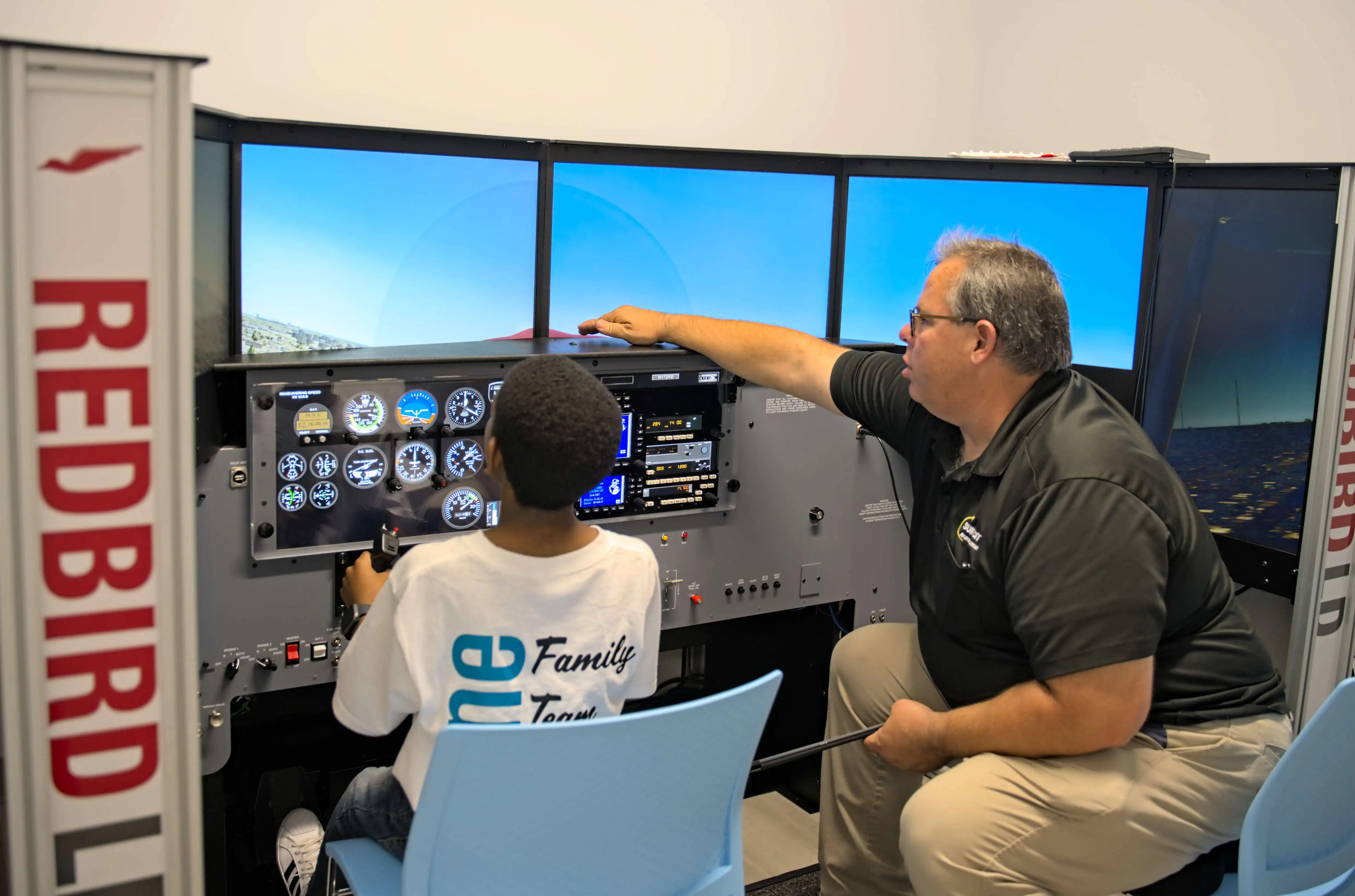
At Sun City Aviation Academy, our facility is equipped with an FAA-approved Redbird Advanced Aviation Training Device (AATD).
Why Use the Redbird Simulator for Your IPC?
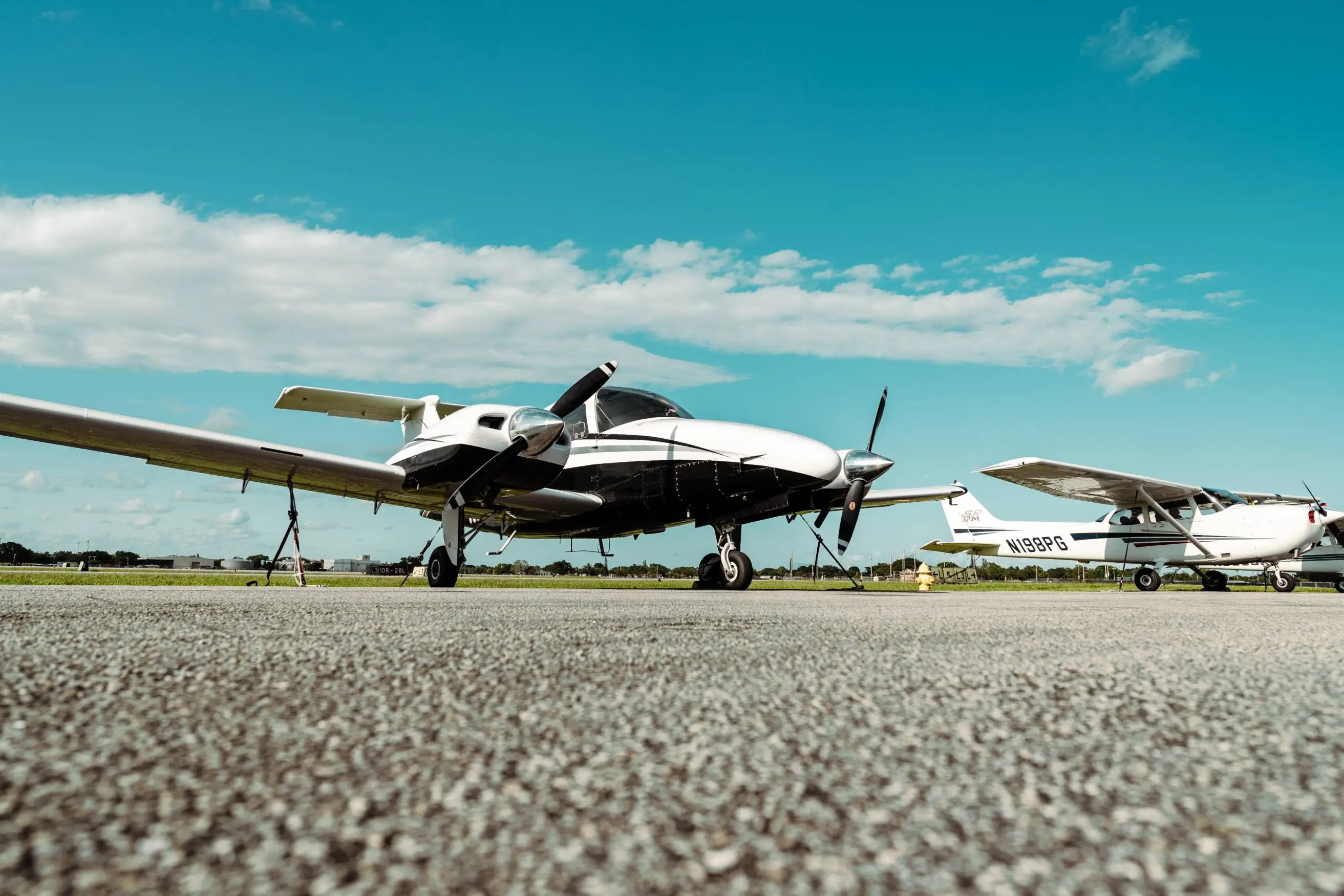
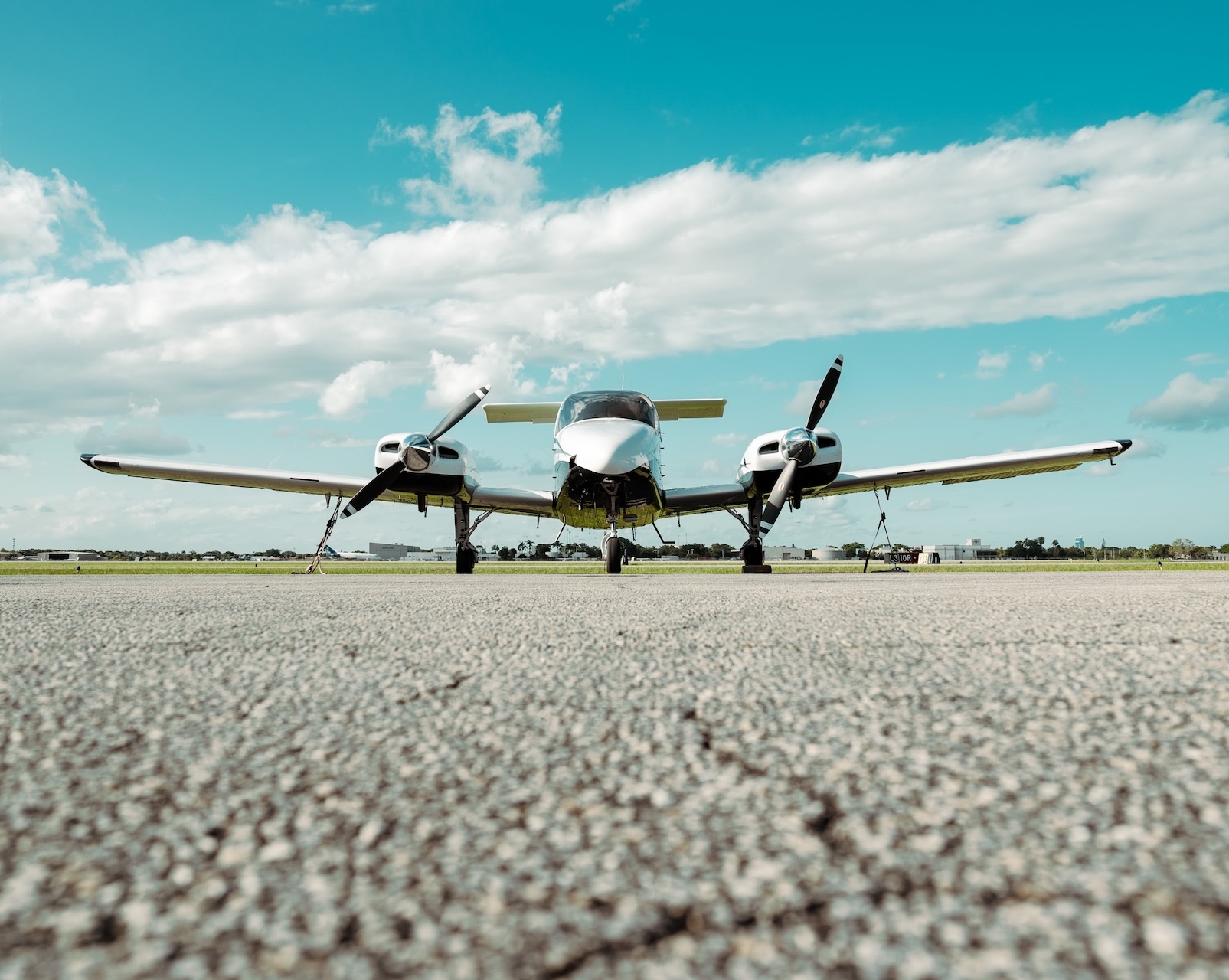
- Massive Financial Savings: The hourly rate to operate our Redbird AATD is a fraction of the cost of renting a Cessna 172 Skyhawk or a twin-engine Beechcraft Duchess.
- Complete Control Over the Environment: We can pause the simulation mid-flight to discuss a procedure, restart an approach instantly without flying a 10-mile traffic pattern, and simulate specific emergency scenarios (like complete vacuum system failures) that are impossible to simulate safely in an actual aircraft.
- Custom Weather Scenarios: We can dial in real-world IMC, turbulent crosswinds, or low-visibility fog, allowing you to practice challenging approaches in a zero-risk environment.
Under the FAA guidelines, a large portion of the IPC ground and procedural tasks can be accomplished and signed off right in our simulator. This means you only need to take the actual airplane up for the specific tasks that must be completed in flight (such as the landing and circle-to-land maneuvers), cutting your total training invoice in half.
Tips to Prepare for a Stress-Free IPC
If you want to complete your IPC efficiently, a little preparation before you arrive at the flight school goes a long way:
- Review the IFR Chart Symbology: Dust off your low-enroute charts and approach plates. Make sure you can quickly identify frequencies, minimum descent altitudes (MDAs), decision altitudes (DAs), and missed approach instructions.
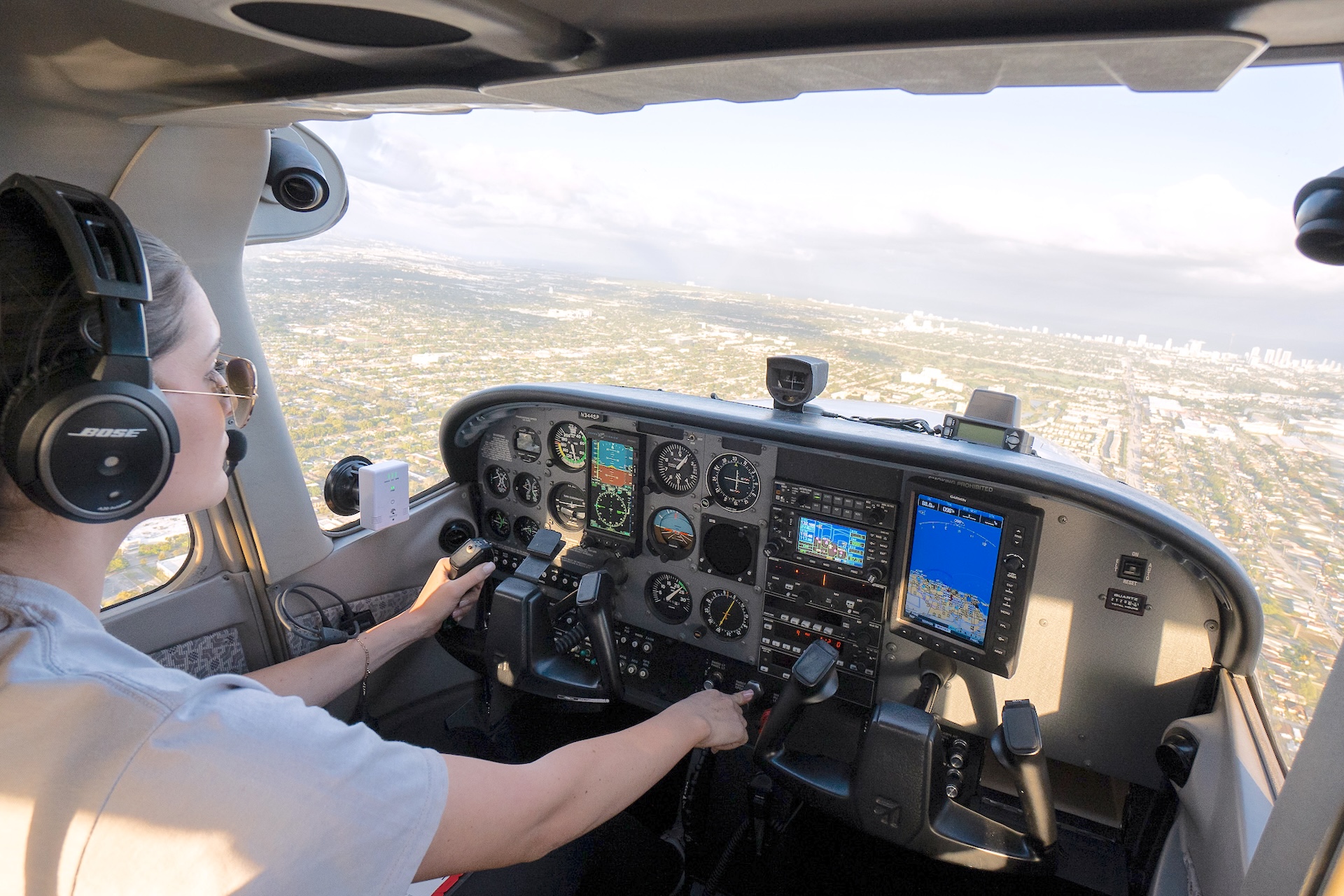
- Practice the Cockpit Flow: If you fly with a Garmin G1000 or a Garmin GTN 750xi touch screen, spend time reviewing the button sequences online or using trainer apps to refresh your muscle memory for loading approaches and activating legs.
- Study the Lost Communications Procedures: Re-learn the FAA’s AVE-F (Route: Assigned, Vectored, Expected, Filed) and MEA (Altitude: Minimum IFR altitude, Expected, Assigned) rules. Examiners and instructors will almost always review lost-comm scenarios during the ground portion of the check.
Ready to Get Back in the Clouds?
Earning your instrument rating was a major achievement. Do not let those hard-earned skills fade away on the ground.
At Sun City Aviation Academy, based at Hollywood North Perry Airport (KHWO) in Pembroke Pines, Florida, we specialize in helping pilots regain their currency and confidence. Whether you have been inactive for a year or a decade, our team of experienced CFIIs and our FAA-approved Redbird simulator will get you back to IFR proficiency safely, efficiently, and affordably.
Book your Redbird simulator refresher block with Sun City Aviation Academy today to get current, regain your confidence, and take back the skies!

 More Right Rudder