
Flight Lessons Fort Lauderdale: How Training Fits a Working Week

Published by:
Georgette P.
Published on:
Updated on:
Read time:
8 min read
Most people who call us about flight lessons in Fort Lauderdale do not lead with the money question. They lead with a version of this one: I work full time — can I actually do this?
It is the right question, and it deserves a better answer than “sure, we’re flexible.” Because the honest answer is that you can, but only if you plan your week around it deliberately. Students who treat lessons as something to fit in when convenient tend to stall out. Students who protect two mornings a week finish.
So here is what a real training week looks like from Fort Lauderdale, including the parts nobody puts in a brochure.
The Drive Is Real, and It Is Shorter Than You Think
We train at North Perry Airport (KHWO) in Pembroke Pines, roughly 14 to 15 miles from downtown Fort Lauderdale. You can reach us off I-95 or the Florida Turnpike, and most of our students report the drive taking under 30 minutes outside of peak traffic.
That is not nothing. It is also not the obstacle people fear before they try it. The students who struggle with the commute are usually the ones scheduling afternoon lessons and hitting rush hour in both directions. The ones who schedule early mornings barely notice it.
If you are still comparing where to train, our Fort Lauderdale flight school page covers the local details, and the Fort Lauderdale FAQ answers the questions we hear most often at the front desk.
Why Almost Everyone Ends Up Flying in the Morning
There are two reasons our Fort Lauderdale students drift toward early slots, and both of them help you.
The air is smoother. Early morning air in South Florida is usually calmer, which makes a genuine difference when you are learning to hold altitude and heading. Bumpy air is not dangerous with an instructor beside you, but it makes the early lessons harder than they need to be.
Afternoons in the warm months are more likely to build weather. South Florida does what South Florida does. A lesson scheduled for 4 p.m. in July has a meaningfully higher chance of being scrubbed than the same lesson at 7 a.m.
Add the traffic advantage and the pattern is obvious. A morning lesson before work costs you an early alarm and gives you smoother air, better odds of actually flying, and a lighter drive. Plenty of our students are at their desk by mid-morning having already flown.
Frequency Beats Everything Else You Can Control
If you take one thing from this article, take this.
Flying is a motor skill, and motor skills decay. When three weeks pass between lessons, a meaningful chunk of your next lesson goes to recovering ground you already covered. Do that repeatedly and you are paying twice for the same landings — and stretching a certificate that could take months into something that takes years.
Students who fly two to three times a week progress noticeably faster than students who fly every other weekend. Not because they are more talented. Because they never go cold.
This is also why we ask about your schedule before we talk about programs. We are certified under both Part 141 and Part 61, and Part 61 exists precisely for the student whose week does not fit a rigid syllabus. If your availability is genuinely irregular, that flexibility is worth more to you than a structured course would be. If you can protect consistent slots, the structure may serve you better. Either way, we would rather match you correctly than sign you up for the wrong track.

What to Do When the Weather Cancels
It will happen. Plan for it instead of being derailed by it.
A canceled flight slot does not have to be a wasted morning. Options that keep you moving:
- Simulator time. Our Redbird simulator lets you drill procedures, instrument scans, and emergency work when the aircraft is not going anywhere. It keeps a scrubbed slot productive rather than lost.
- Ground work. Ground school and written test prep are exactly what a weathered-out morning is for. The FAA knowledge test is going to happen eventually; move it forward.
- Rescheduling immediately. Not “sometime next week.” Before you leave the building. The students who rebook on the spot are the ones who keep their frequency.
Aircraft maintenance and instructor availability will occasionally shift a lesson too. That is normal at any school, and the fix is the same: have a backup slot in mind before you need it.
Fitting This Around a Job That Does Not Cooperate
Not everyone works nine to five. We have trained students on shift schedules, and one of our students — a flight attendant — told AOPA that the accommodating scheduling was what made training possible for her at all.
If your work rotates, the approach changes slightly:
- Batch your lessons around your days off rather than spreading them thin.
- Communicate your pattern early so we can plan around it instead of reacting to it.
- Front-load ground study during travel or downtime, so your flight slots are spent flying rather than catching up on knowledge.
We cannot promise every slot you want will be open, and we would not want to oversell that. What we can do is look at your actual week with you and tell you honestly whether it works. Give us a call and we will map it out.
A Week That Actually Works
Putting it together, here is the shape we would suggest for a Fort Lauderdale student working full time:
- Two protected morning slots per week, ideally the same days each week so they become routine rather than a decision.
- One evening of ground study between them, so you arrive prepared instead of learning the maneuver for the first time in the airplane.
- A backup plan for weather — simulator or ground work — decided in advance.
- A standing conversation with your instructor about pace, so nobody is guessing whether you are on track.
That is roughly six to eight hours a week including the drive. It is a real commitment, and it is also how people with demanding jobs earn certificates every year.
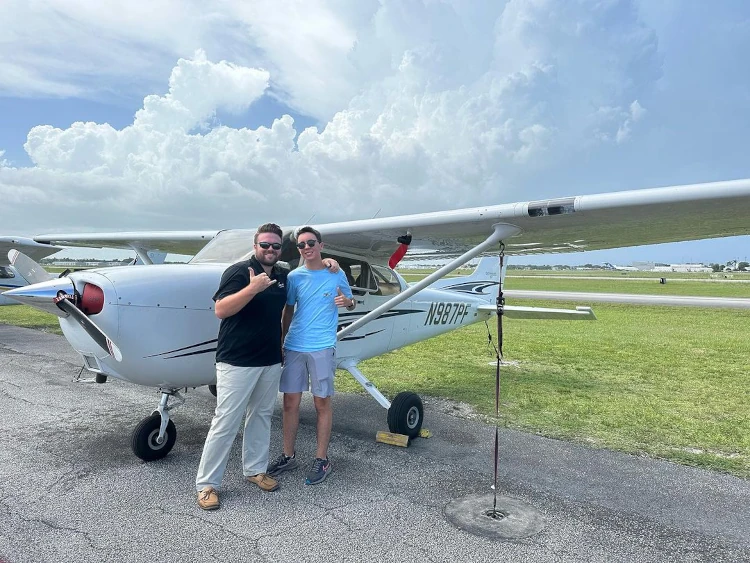
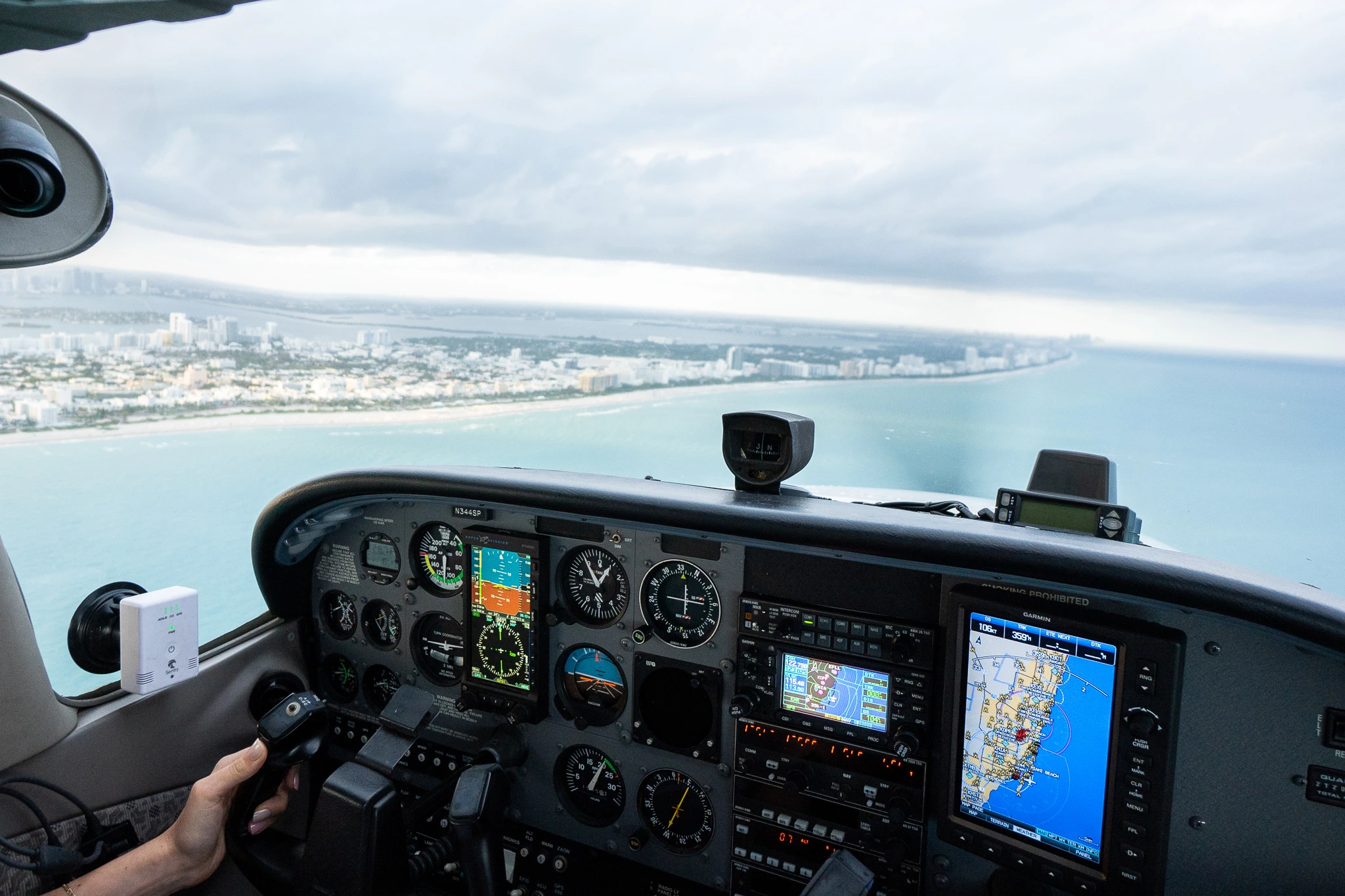
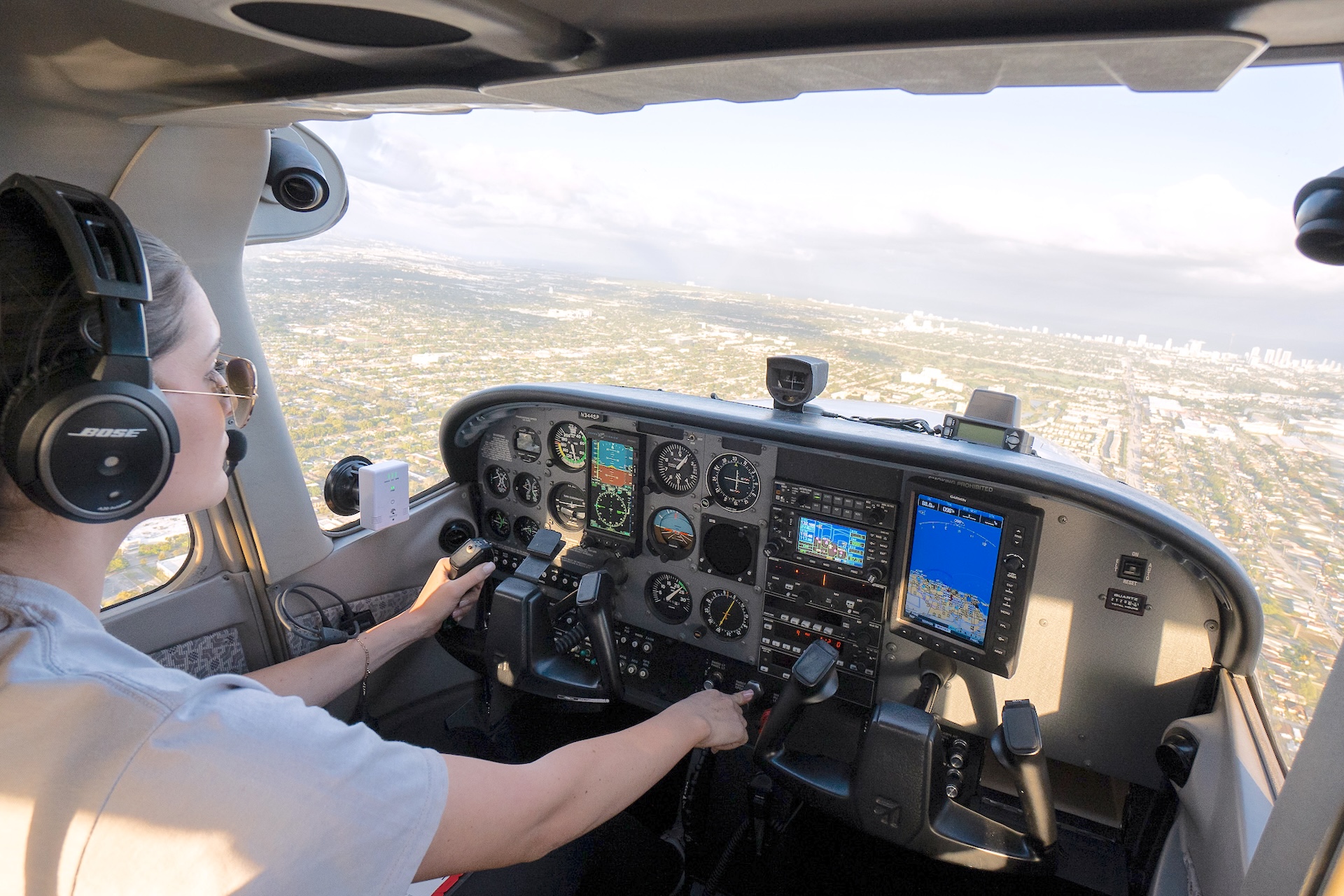
If you have not flown with us yet, start there. A discovery flight puts you in the left seat with an instructor and answers the question underneath all the scheduling logistics: whether you want this enough to protect those mornings.
Book Your Discovery Flight Today and see for yourself why KHWO is the best choice for flight training in the Fort Lauderdale area.

 More Right Rudder